Theopolis Logo

Writing

Explore our collection of theological essays, biblical studies, and reflections on faith and culture.

See all
cloister

Gatekeepers

1 Chronicles 9:1 seems to bring the genealogies of 1 Chronicles to an end. The Chronicler has recorded the genealogy of the human race from Adam, focusing on the descendants of Abraham through Jacob. Summing it all up, he says, “So all Israel was enrolled by genealogies; and behold, they…

by Peter LeithartJune 21, 2016
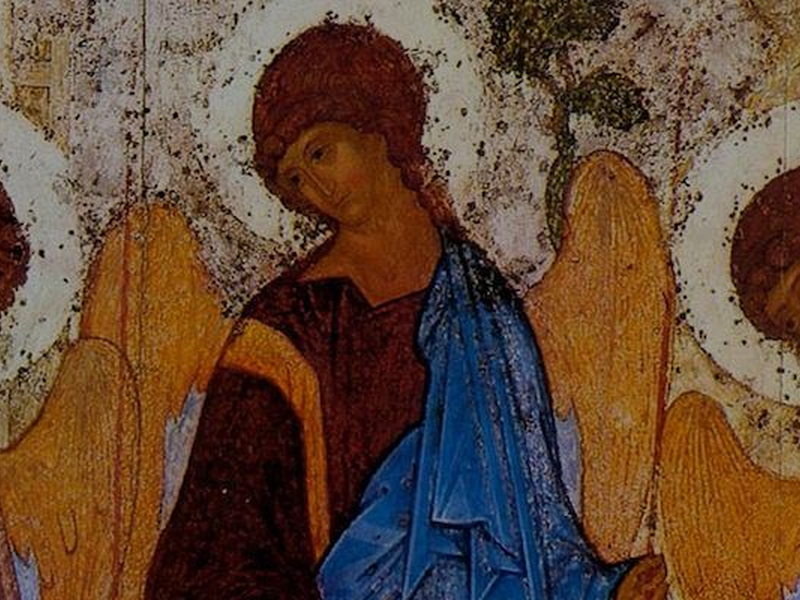
trinity-1-2
Trinity

Are the Divine Persons Persons?

The “personalist” understanding of the Trinity, articulated most influentially in the work of John Zizioulas, has fallen on hard times. Recent scholars have attacked Zizioulas’s idea that Cappadocian Trinitarianism represented an ontological revolution, hammering on the distinction between divine and human personhood. Michel Barnes’s conclusion is the most drastic of…

by Peter LeithartJune 16, 2016
img_4660-2
Architecture

On Biblical Theology

Biblical Theology is often defined as the historical unfolding of God’s revelation, or of God’s revelation and of the history of his covenantal redemption and transformation of humanity and the world. In practice, Biblical Theology is usually broader than this, and also includes the study of literary structure and of…

by James B. JordanJune 14, 2016
laughing_statue_by_xxbobbiie-d5f0meh-2
Humor

Wise Laughter

We are made to be happy. Created to enter into the eternal joy of God, our whole being inclines to that end, but the fallen world has put forth barriers and by our own sin we bar ourselves from that endless delight, and death blinds us to that reality. Yet…

by Remy WilkinsJune 7, 2016
img_7664
Liturgy

Why Theopolis? Take Two

At the end of Revelation, John sees the heavenly city descending to earth. The city shines with the brilliance of God's glory, which lightens the nations, so that kings bring their glory to the city. This is not a vision of the final new heaven and new earth. It's a…

by Peter LeithartJune 2, 2016
trinity-1-2
Attributes of God

How Can We Talk About God?

“No one has ever seen God,” writes John (John 1:18). If this is the case, then how can we speak about God? Some people say we actually cannot. Or at least we cannot speak about God positively, i.e. who He is. We can only say who or what God is…

by Bogumil JarmulakMay 31, 2016

Showing page 130 of 309

See all

Showing page 6 of 43

See all

Shakespeare's Songs

Late at night in Lady Olivia’s great house in Illyrium, three friends – Sir Toby, the lady’s uncle, Feste her fool, and Sir Andrew Aguecheek, her hapless suitor – sing drunken songs that resound loudly through the empty halls. Malvolio, Lady Olivia’s stern steward and “something of a Puritan,” rises…

December 7, 2015

Parochial Postmodernism

David Harvey ( Ways of the World ) describes our cultural moment in terms of “space-time compression,” and finds an analogy with the speed-up of life that was widely noted at the beginning of the twentieth century: “While historical analogies are always dangerous, I think it no accident that postmodern…

December 7, 2015

Momanomics

In her collection of essays on money, Slave of Two Masters , Melinda Selmys devotes several pages to the celebration of motherhood and its unique economics. Taking her cue from the curse of Genesis 3, she argues that men have always “lorded” over women by claiming all important human achievements…

December 7, 2015

How God Fixes Things

The cry has come up from our national journalogians at the NYT and the Daily News : “God isn't fixing this. No more prayers. Let's get some action.” If God - the living God - were to get busy fixing things, they may not like the way He goes about…

December 7, 2015

In the Fullness of Time

As Robert Jenson has argued, the big question of religion is the question of eternity: How is God related to time? For Greco-Roman paganism and for the great religions of the far east, god or the gods are immune to time, alien to time. The whole point of Plato's forms…

December 4, 2015

Hamlet in Society

Despite the distracting use of the opposition of of “authenticity” and “responsibility,” Terry Eagleton has some thoughtful observations on the tragic dilemma in Hamlet ( Shakespeare and Society , 1967). Hamlet’s is a society of “reciprocal human definitions,” that is to say, a man’s identity is mirrored to him by…

December 4, 2015

Showing page 344 of 2212

Browse by Category

In Medias Res

Your weekly digest for all things Theopolis.

Donate

Theopolis is nearly 100% donor-supported. Consider joining us on our mission.