Theopolis Logo

Writing

Explore our collection of theological essays, biblical studies, and reflections on faith and culture.

See all
last-supper
Luke

Table Talk

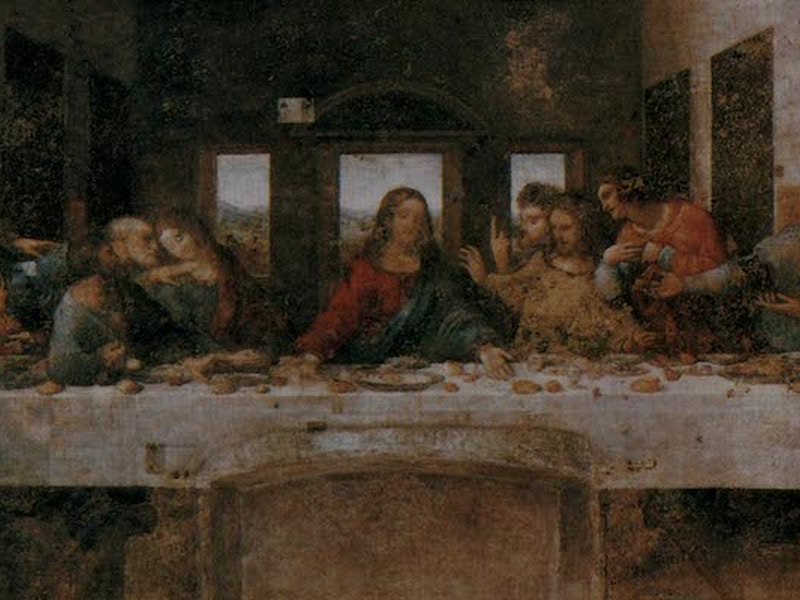
Along His journey to Jerusalem, Jesus stops frequently to have meals, three times with Pharisees (7:37-50; 11:37-54; 14:1-35). Meals were central to Jesus’ ministry. He comes “eating and drinking” (Luke 7:34). While His meals are not just for refreshment, they are opportunities for teaching the protocols of the kingdom. Meals…

by Peter LeithartApril 19, 2016
music-violin
Biblical Theology

A Musical Case for Typological Realism, (Part 4)

Time as a realm of participation can be difficult for us imaginatively to grasp. While music is a profoundly temporal art, exploring the medium of time like no other, most of our temporal experience seems decidedly unmusical in character, disjointed and unorchestrated. The form in which we naturally discover time…

by Alastair RobertsApril 14, 2016
John

Jesus' Burial Clothes

John devotes much attention to Jesus’ burial clothes. He tells us that Nicodemus brought about a hundred pounds of myrrh and aloes to spice Jesus body, and that He was bound in linen wrappings. We find out that His body and His head were wrapped separately. (John 19:39-40; 20:6-7). When…

by James B. JordanApril 12, 2016
clock
Biblical Theology

A Musical Case for Typological Realism, (Part 3)

Thinking about time in terms of music also helps us to appreciate its unity and inner relations. Henri Bergson observes our cultural habit of dividing time into discrete moments, and conceiving of these as if akin to objects in a spatial succession. [1] Against such a notion, Bergson argues for…

by Alastair RobertsApril 7, 2016
screen-shot-2016-03-31-at-9-32-11-am
Biblical Theology

A Musical Case for Typological Realism, (Part 2)

As we attend to these and other aspects of music’s temporality, Begbie suggests, we will find means by which to resist some of our habitual modern ways of conceptualizing time, most especially our tendency to conceive of time as if it were a homogeneous set of technologically quantifiable units laid…

by Alastair RobertsMarch 31, 2016
biblioteca-vasconcelos-crop
Biblical Theology

Systematic Typology (Part Three)

The Hidden Dimension In many fields of scientific study, the apparent complications and contradictions are dispelled once the internal logic is perceived. Biblical hermeneutics is no different, since the author of Creation is the Author of the Word. The Bible’s literary labyrinth radiates organically from an algorithm so simple it…

by Mike BullMarch 29, 2016

Showing page 133 of 309

See all

Showing page 6 of 43

See all

Anointed Bread

Leviticus is the oilest book of the Bible. The Hebrew shemen is used 42 times (6 x 7); the closest competitor is Numbers, with 34 uses. The uses of shemen are clustered. Leviticus 2 uses the word 9 times, all with reference to the preparation of the tribute offering (…

March 25, 2019
egptian-art

Broken Noses

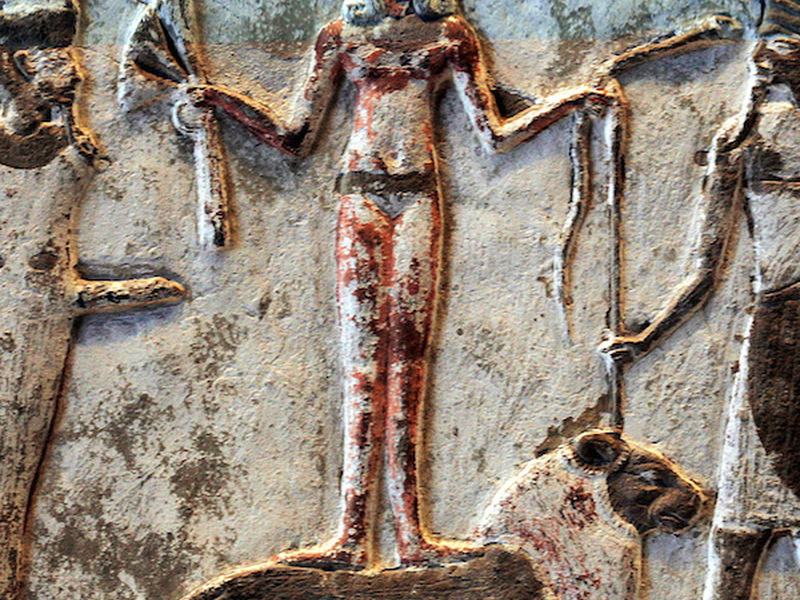
Why do so many Egyptian statues have broken noses? Julia Wolkoff summarizes the answer of Brooklyn Museum curator Edward Bleiberg. Noses protrude, and so are more apt to be knocked off accidentally, but the pattern is too consistent to be accident. Erosion could account for some, but not all. Bleiberg…

March 20, 2019
13714bedda625c2ec1816f0890ed72f4-snow-storms-image-photography
Ecclesiology

Ecclesial Ethics

Some snippets from Philip Turner's Christian Ethics and the Church . The premise of Turner's book is well summarized by a passage he quotes from Sabina Lovibond's Ethical Formation : "The ethical, let us say, pertains to what people learn to value through immersion in a community acquainted with ideas…

March 13, 2019

Nose to Nose

Levitical offerings send a "soothing aroma" ( reyach nichoach ) to Yahweh. Israel needs to produce good smells because her sin is noxious to Yahweh. When Israel rebels, His "nose burns." By slaughtering a substitute animal and turing it to smoke, Israel soothes Yahweh's hot nose. But that can't be…

March 11, 2019
Pneumatology

Reading in the Spirit

“Spiritual reading” is usually associated with patristic, monastic, and medieval modes of reading. It's fruitful, however, to shift the focus and ask what the Spirit has to do with our reading. The Spirit is the enlivening breath of God, the water of God who makes us into a fruitful garden.…

March 6, 2019
capitol-dc
Liberalism

Liberalism and Ecclesia

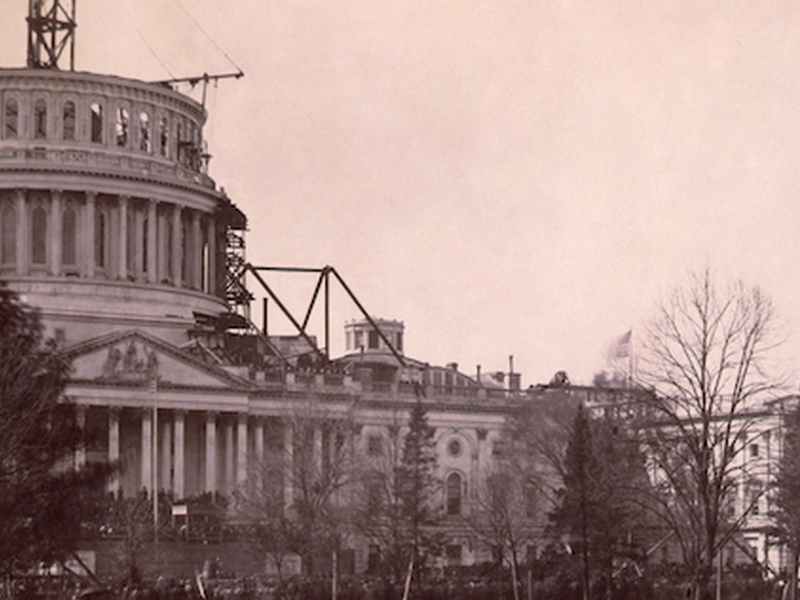
Liberalism is "in origin primarily a refusal of ecclesial power." So write John Milbank and Adrian Pabst ( Politics of Virtue , 31). In refusing ecclesial power, early modern political theorists renounced the arrangement of Latin Christendom. The "first polity knowing no bounds and truly based upon the rule of…

March 4, 2019

Showing page 46 of 2212

Browse by Category

In Medias Res

Your weekly digest for all things Theopolis.

Donate

Theopolis is nearly 100% donor-supported. Consider joining us on our mission.