Theopolis Logo

Writing

Explore our collection of theological essays, biblical studies, and reflections on faith and culture.

See all
tanner-mardis-xuxghzhibn4-unsplash-1-2
Biblical Studies

Tweets-turned-Notes on the Bible’s Chronology

Summary In what follows, I will consider the “year-stamps” employed in Scripture, i.e., statements of the form, “Such-and-such an event took place in the Xth year of Y.” In the process, I will suggest some ways in which the Biblical narrative might relate to events in the extra-Biblical world, though…

by James BejonJuly 16, 2019
durer-prodigal-son-2
Luke

Perspectives on the Prodigal, (Part 2)

In the first essay on the parable of the Prodigal Son, I suggested that the problems commentators and others encounter in interpreting Jesus three-part parable are not accidental. These are not just problems in our ignorance of cultural background. They are intentional features of the stories —stories designed to poke…

by Ralph Allan SmithJuly 11, 2019
durer-prodigal-son-2
Luke

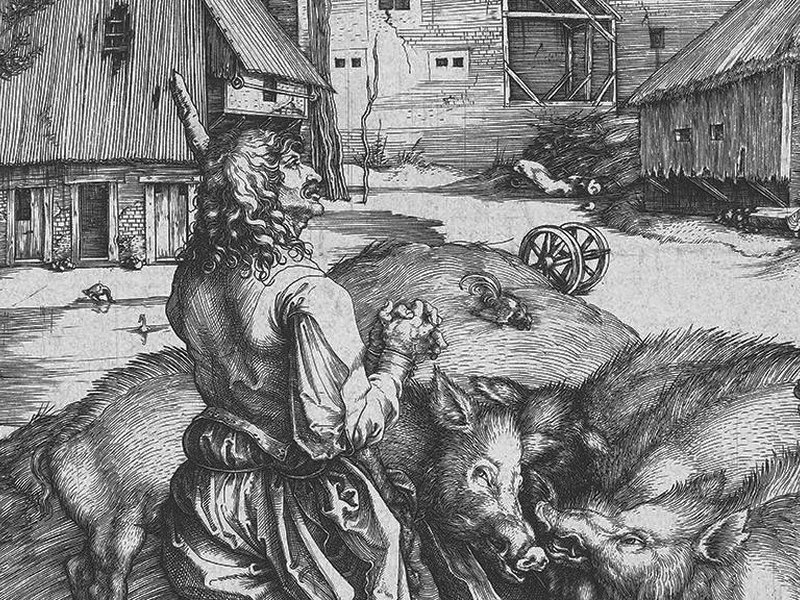
Perspectives on the Prodigal, (Part 1)

The story of the Prodigal Son is perhaps the most well-known story in the Bible. As others have observed, it may also be one of the most misunderstood. In two short essays, I will point out features of this story that are commonly neglected, aspects of Jesus’ parable that might…

by Ralph Allan SmithJuly 9, 2019
de-rijke-man-en-de-arme-lazarus-by-jacopo-da-ponte-16th-century
Luke

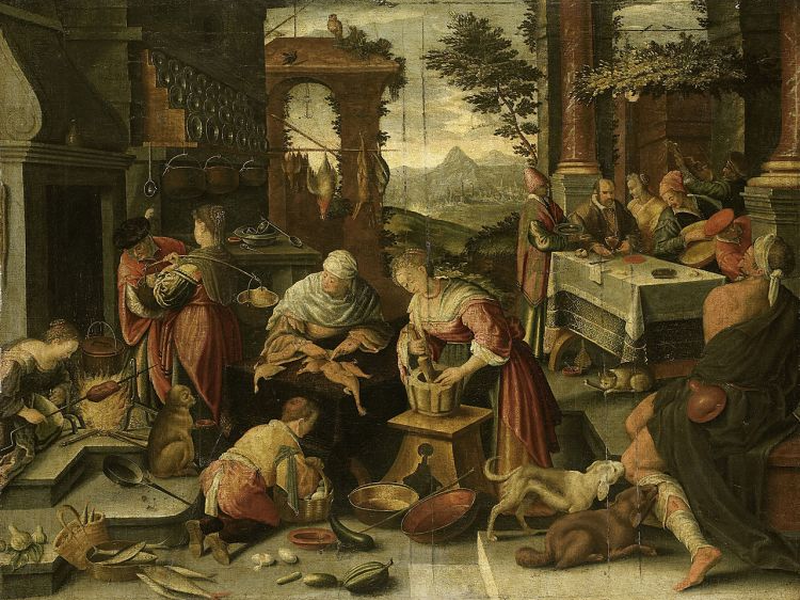
Lazarus and the Rich Man

The parable of Lazarus and the nameless rich man is not an independent story. It is part of a long context that begins in Luke 15:1, where Jesus is eating with tax collectors and sinners and the scribes and Pharisees grumble. In response to their hardheartedness, Jesus tells a three-part…

by Ralph Allan SmithJuly 4, 2019
aaron-burden-uynrnfdkjwg-unsplash
Luke

Everybody has Dropsy - Luke 14:1-24

The Bible is written so that even when a reader cannot pick up on what might be deeper or more detailed aspects of a text, there is virtually always a message to be heard. In the ancient world, where the “reader” of Scripture would likely be a church official facing…

by Ralph Allan SmithJuly 2, 2019
communion
Biblical Theology

Fruit Trees and Grain Plants

The distinction between garden (or vineyard) and field begins in Genesis 2. This relates to the ordering of the formless world. Plants of the field are contrasted with the garden planted by God in Genesis 2:5&8. Later on, under the Old Covenant the Israelites will be required to keep their…

by James B. JordanJune 27, 2019

Showing page 77 of 309

See all

Showing page 6 of 43

See all

Bible as Information

What Esther Meeks calls the "defective epistemic default" of modernity infects and paralyzes biblical interpretation. In this default, knowledge is defined as information. This can only produce puzzlement about the details of the Bible. They aren't symbols; they aren't clues; they text isn't pregnant with meaning. The details are there…

August 16, 2018

Epiphany at Cana

Jesus turned water to wine at the wedding to Cana. It's the first sign, John tells us (John 2:11). It's an epiphany of the Word made flesh. Of what is it a sign? The wedding takes place on the "third day" (2:1), which is the seventh day in the sequence…

August 15, 2018
Epistemology

The When, Who, and How of Knowing

For our culture, real knowledge is the bits of data we accumulate by observation and experiment to store in our brains. Once harvested, knowledge is an impersonal and atemporal heap of information. In the Bible, knowing isn’t so simple. The Bible forces us to ask, When? How? and Who? God…

August 14, 2018

Bankruptocracy

Adults in the Room , Yanis Varoufakis's account of his brief time as the finance minister of Greece, has all qualities of a tragedy. It is, Varoufakis writes, "the story of what happens when human beings find themselves at the mercy of cruel circumstances that have been generated by an…

August 13, 2018

De-Fragmenting Modernity

A couple of excellent passages from Paul Tyson's De-Fragmenting Modernity . First, this on how modernity's "immanent frame" (Charles Taylor) not only prevents governments from addressing social problems, but actually creates conditions that cultivate the problem in the first place (2-3): "At a policy level, we are more or less…

August 9, 2018

Mutual Honor

Yahweh speaks the Ten Words to his son, Israel . The Words are ultimately pointing to the Son, who takes flesh to become true Israel. The Ten Words speak of Jesus, and Jesus is the final interpretation of their demands. "Honor your father and your mother," the Lord says, and…

August 8, 2018

Showing page 62 of 2212

Browse by Category

In Medias Res

Your weekly digest for all things Theopolis.

Donate

Theopolis is nearly 100% donor-supported. Consider joining us on our mission.