Theopolis Logo

Writing

Explore our collection of theological essays, biblical studies, and reflections on faith and culture.

See all
paul-2
Romans

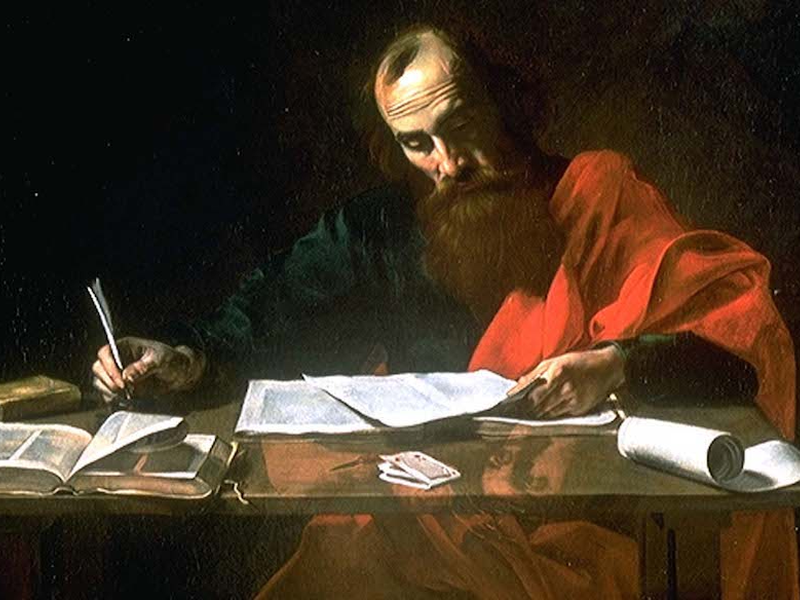
Notes on Scary Stuff in Romans 9

What shall we say then? Is there injustice on God’s part? By no means! For he says to Moses, “I will have mercy on whom I have mercy, and I will have compassion on whom I have compassion.” So then it depends not on human will or exertion, but on…

by Mark HorneFebruary 5, 2015
lunch-counter
American Politics

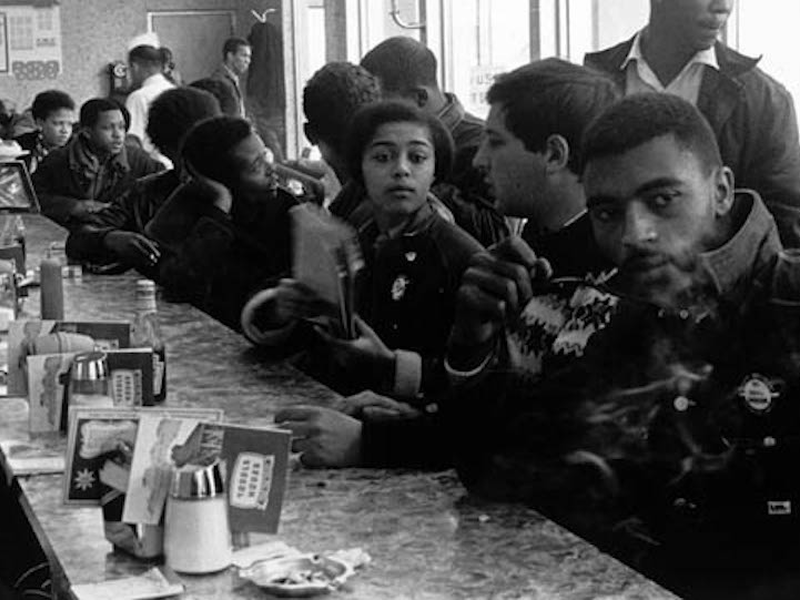
Covenants of Exclusion

A hundred years ago, William Warley signed a contract to buy a house in Louisville, Kentucky from Charles Buchanan, a white man. Before closing the sale, Warley, who was black, learned that the lot was subject to a city ordinance barring blacks from occupying the premises if most of the…

by Brendan O'DonnellFebruary 3, 2015
shakespeare-2
Literature

The Bard and the Book

I concluded the first essay on this topic by saying that I would introduce three books about Shakespeare and the Bible, but I decided to introduce four instead. The three books become four are: Naseeb Shaheen, Biblical References in Shakespeare’s Plays (London: Associated University Presses, 1999) ; Hannibal Hamlin, The…

by Ralph Allan SmithJanuary 29, 2015
augustine-2
Augustine

Augustine on Pagan Virtue

My children attend a classical Christian school, situated in the independent “free church” evangelical tradition. Over the past few years they have been growing in their acquaintance with the world of Homer, Plato, Virgil, and Livy. They enjoy it, and I envy it. The school is a great school. My…

by Gerald HiestandJanuary 27, 2015
prodigal-son
Atonement

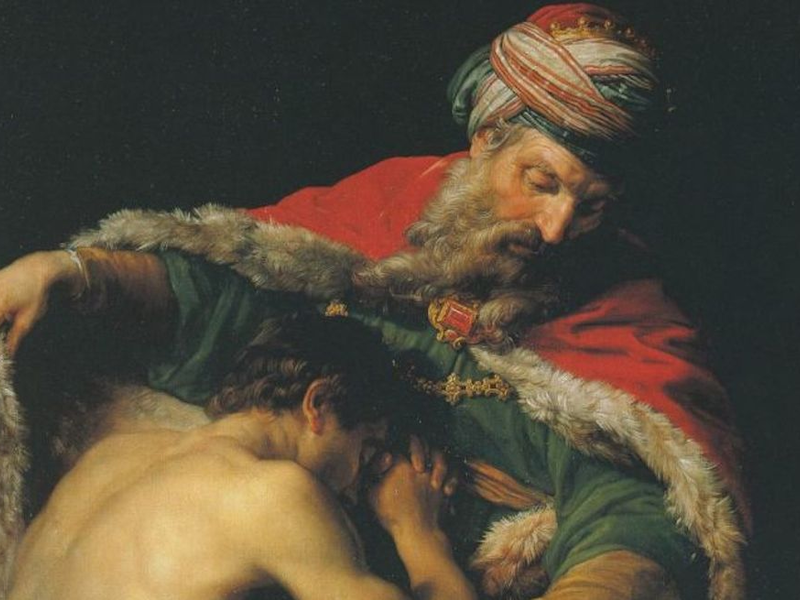
The Prodigal and the Cross

The Prodigal Son parable (Luke 15) has been a favorite of liberal theologians for a couple of centuries. It seems to be a parable designed for liberal sensibilities: An indulgent, accepting Father; forgiveness extended without a cross; a surly older brother who might represent the "conservative" face of religion who…

by Peter LeithartJanuary 22, 2015
sky-from-bridge
Ascension

Underground Man, Ascended Man

“I want now to tell you, gentlemen, whether you care to hear it or not, why I could not even become an insect. I tell you solemnly, that I have many times tried to become an insect. But I was not equal even to that. I swear, gentlemen, that to…

by Richard BledsoeJanuary 20, 2015

Showing page 161 of 309

See all

Showing page 6 of 43

See all
History

Essence of history

Rosenzweig ( Judaism Despite Christianity: The 1916 Wartime Correspondence Between Eugen Rosenstock-Huessy and Franz Rosenzweig , 157) offers this profound rejoinder to the professorial habit of trying to modify the traditional epochs of history: “It is necessary . . . to accept the traditional periods, and to avoid wanting to…

January 16, 2014

One Flesh

Rosenzweig ( Judaism Despite Christianity: The 1916 Wartime Correspondence Between Eugen Rosenstock-Huessy and Franz Rosenzweig , 115) says that “Only what belongs to both man and woman belongs to all men, and everything else has only sectional interest.” Rosenstock agrees, and elaborates: “The lawyer is the perfect type of male…

January 16, 2014
History

Maimed Emancipation

In one of his wartime letters to Franz Rosenzweig (the correspondence published as Judaism Despite Christianity: The 1916 Wartime Correspondence Between Eugen Rosenstock-Huessy and Franz Rosenzweig ), Rosenstock challenges the Rosenzweig’s idea that his love for a particular scholar can be a “merely private affair.” Love above all “can’t remain…

January 16, 2014

Newspaper of Record

Rebecca Rosen reports at the Atlantic on a century-long error on the front page of the New York Times. The issue number for the February 6, 1898 edition was 14,499; the next day, the issue number was 15,000. Nobody noticed until 1999. At the beginning of 2000, the newspaper announced…

January 16, 2014
Philosophy

Giving Descartes his Due

In Desire, Dialectic, and Otherness: An Essay on Origins , recently reprinted by Wipf & Stock, William Desmond concedes that “the modern self has been excessively subjectivized” (45). But he thinks that, for all its faults, Cartesianism focused attention on an inescapable philosophical problem: “The Cartesian view has the merit…

January 16, 2014

Bridal land

At the end of Isaiah 61, the prophet (or Zion) rejoices because Yahweh “has clothed me with garments of salvation, and has wrapped me in a robe of righteousness.” The clothing is festal, clothing for a wedding, and Zion is both the garlanded bridegroom and the jeweled bride (v. 10).…

January 16, 2014

Showing page 706 of 2212

Browse by Category

In Medias Res

Your weekly digest for all things Theopolis.

Donate

Theopolis is nearly 100% donor-supported. Consider joining us on our mission.