Theopolis Logo

Writing

Explore our collection of theological essays, biblical studies, and reflections on faith and culture.

See all
cloister

Gatekeepers

1 Chronicles 9:1 seems to bring the genealogies of 1 Chronicles to an end. The Chronicler has recorded the genealogy of the human race from Adam, focusing on the descendants of Abraham through Jacob. Summing it all up, he says, “So all Israel was enrolled by genealogies; and behold, they…

by Peter LeithartJune 21, 2016
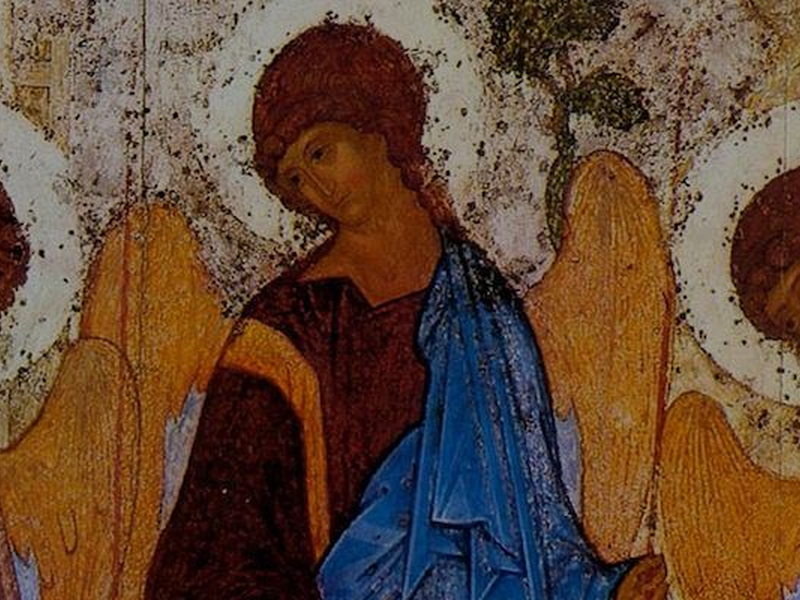
trinity-1-2
Trinity

Are the Divine Persons Persons?

The “personalist” understanding of the Trinity, articulated most influentially in the work of John Zizioulas, has fallen on hard times. Recent scholars have attacked Zizioulas’s idea that Cappadocian Trinitarianism represented an ontological revolution, hammering on the distinction between divine and human personhood. Michel Barnes’s conclusion is the most drastic of…

by Peter LeithartJune 16, 2016
img_4660-2
Architecture

On Biblical Theology

Biblical Theology is often defined as the historical unfolding of God’s revelation, or of God’s revelation and of the history of his covenantal redemption and transformation of humanity and the world. In practice, Biblical Theology is usually broader than this, and also includes the study of literary structure and of…

by James B. JordanJune 14, 2016
laughing_statue_by_xxbobbiie-d5f0meh-2
Humor

Wise Laughter

We are made to be happy. Created to enter into the eternal joy of God, our whole being inclines to that end, but the fallen world has put forth barriers and by our own sin we bar ourselves from that endless delight, and death blinds us to that reality. Yet…

by Remy WilkinsJune 7, 2016
img_7664
Liturgy

Why Theopolis? Take Two

At the end of Revelation, John sees the heavenly city descending to earth. The city shines with the brilliance of God's glory, which lightens the nations, so that kings bring their glory to the city. This is not a vision of the final new heaven and new earth. It's a…

by Peter LeithartJune 2, 2016
trinity-1-2
Attributes of God

How Can We Talk About God?

“No one has ever seen God,” writes John (John 1:18). If this is the case, then how can we speak about God? Some people say we actually cannot. Or at least we cannot speak about God positively, i.e. who He is. We can only say who or what God is…

by Bogumil JarmulakMay 31, 2016

Showing page 130 of 309

See all

Showing page 6 of 43

See all

Theological Language

In a discussion of God's transcendence, Jeremy Begbie ( Redeeming Transcendence in the Arts ) observes that some accounts of transcendence leave the impression "that language is something by its very nature that God would long to escape, that something so finite and susceptible to corruption could have no integral…

March 9, 2018

Cappadocian Rupture

In his "Person" in Christian Tradition , Stephen Hipp notes that the "originality" of Cappadocian Trinitarian theology "lies in using the word hypostasis to designate the person in distinction from the substance. The distinction between hypostasis and ousia had not been instituted during apostolic times; the Greek Fathers are the…

March 9, 2018

One Will?

William Hasker ( Metaphysics and the Tri-Personal God ) cites Carl Mosser's objection to social Trinitarianism's claim that the three Persons are "distinct centers of willing": "If the divine persons cannot differ because they necessarily act in concert with one another, then attributing distinct wills is superfluous. Attributing distinct wills…

March 9, 2018

When Left Meets Right

Shannon Hayes is a different kind of feminist, a feminist who has not only broken from the patriarchy but from she views as a global capitalist system that buttresses the patriarchy. She is a Radical Homemaker . She explains that “Radical Homemakers are men and women who have chosen to…

March 9, 2018

Simplicity and Divine Properties

William Mann has argued that when medievals identify God with His attributes, they identify Him with "property instances," specific individuals in a relationship of instantiation with the universals that they instantiate. Jeffrey Brower ("Making Sense of Divine Simplicity," Faith and Philosophy 25: 1 [2008]: 3-30) explains, "As Mann sees it,…

March 9, 2018

Model Nation

Robert Tombs ( The English and Their History ) observes that many intellectuals have pondered the character of nations for the past two centuries, asking "whether nations are ancient or modern phenomena; whether they have some organic existence as cultural, genetic or geographical entities; whether they are political and ideological…

March 9, 2018

Showing page 87 of 2212

Browse by Category

In Medias Res

Your weekly digest for all things Theopolis.

Donate

Theopolis is nearly 100% donor-supported. Consider joining us on our mission.