Theopolis Logo

Writing

Explore our collection of theological essays, biblical studies, and reflections on faith and culture.

See all
paul-2
Romans

Notes on Scary Stuff in Romans 9

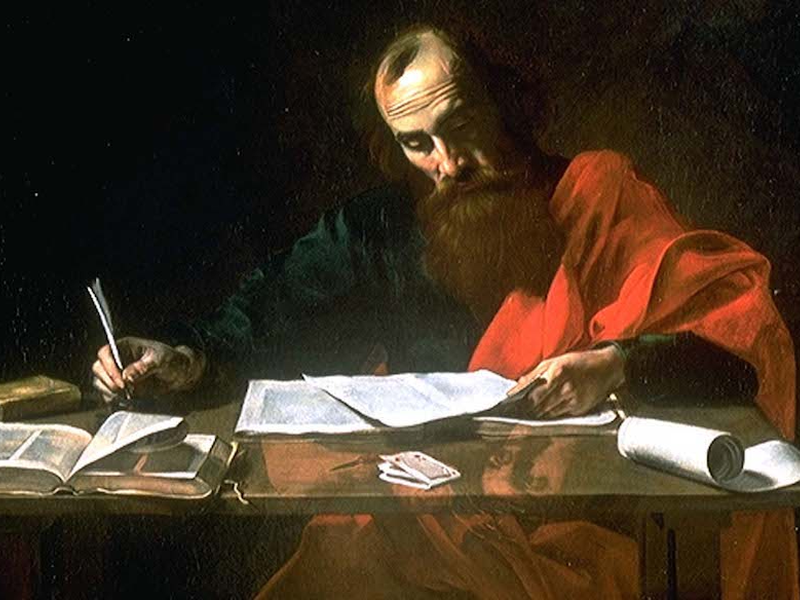
What shall we say then? Is there injustice on God’s part? By no means! For he says to Moses, “I will have mercy on whom I have mercy, and I will have compassion on whom I have compassion.” So then it depends not on human will or exertion, but on…

by Mark HorneFebruary 5, 2015
lunch-counter
American Politics

Covenants of Exclusion

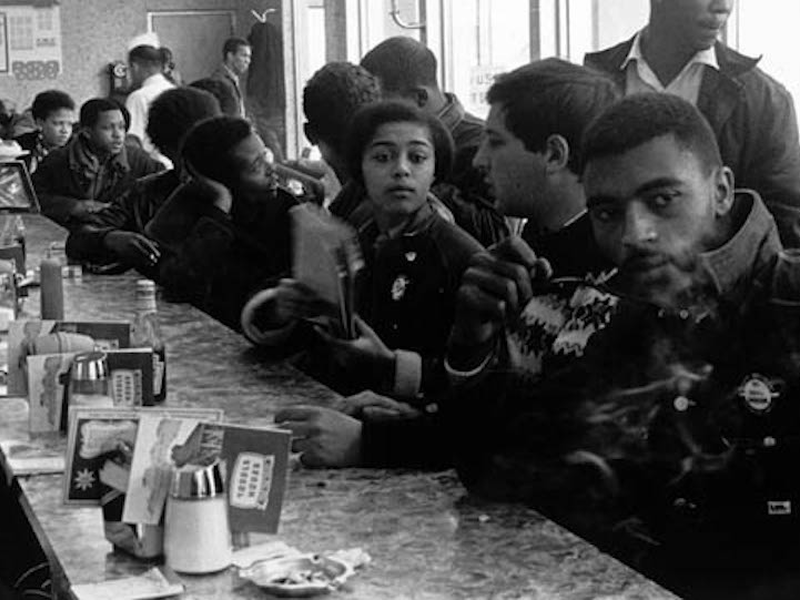
A hundred years ago, William Warley signed a contract to buy a house in Louisville, Kentucky from Charles Buchanan, a white man. Before closing the sale, Warley, who was black, learned that the lot was subject to a city ordinance barring blacks from occupying the premises if most of the…

by Brendan O'DonnellFebruary 3, 2015
shakespeare-2
Literature

The Bard and the Book

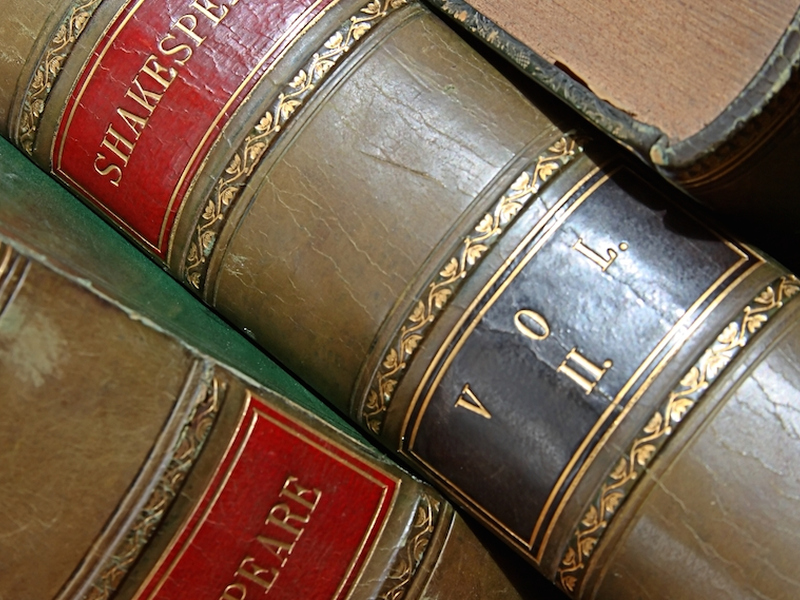
I concluded the first essay on this topic by saying that I would introduce three books about Shakespeare and the Bible, but I decided to introduce four instead. The three books become four are: Naseeb Shaheen, Biblical References in Shakespeare’s Plays (London: Associated University Presses, 1999) ; Hannibal Hamlin, The…

by Ralph Allan SmithJanuary 29, 2015
augustine-2
Augustine

Augustine on Pagan Virtue

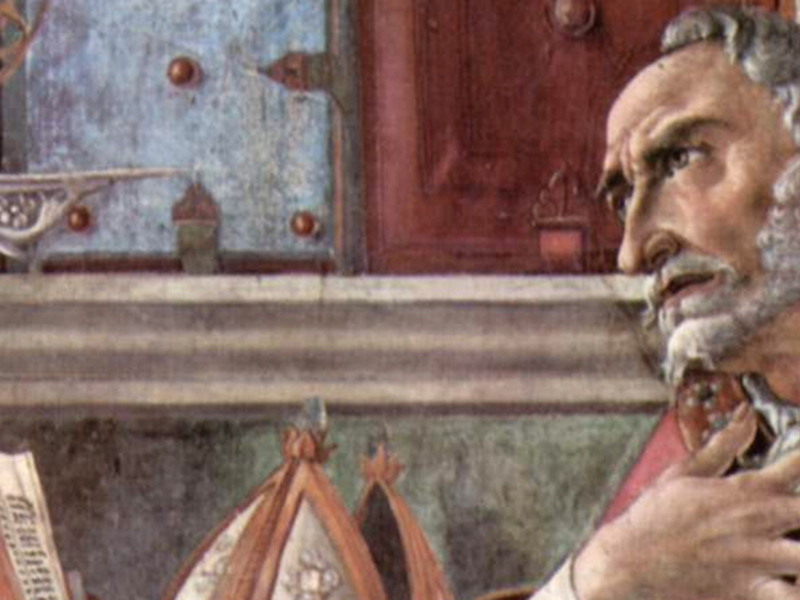
My children attend a classical Christian school, situated in the independent “free church” evangelical tradition. Over the past few years they have been growing in their acquaintance with the world of Homer, Plato, Virgil, and Livy. They enjoy it, and I envy it. The school is a great school. My…

by Gerald HiestandJanuary 27, 2015
prodigal-son
Atonement

The Prodigal and the Cross

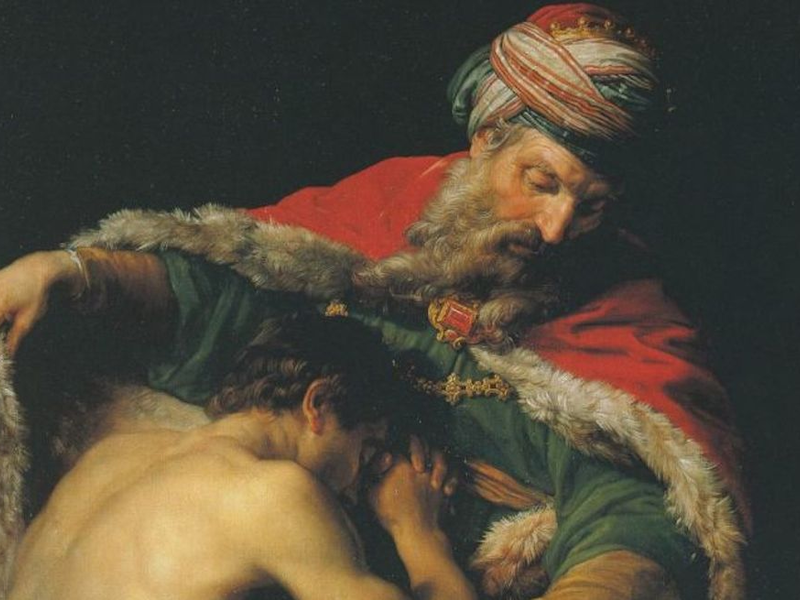
The Prodigal Son parable (Luke 15) has been a favorite of liberal theologians for a couple of centuries. It seems to be a parable designed for liberal sensibilities: An indulgent, accepting Father; forgiveness extended without a cross; a surly older brother who might represent the "conservative" face of religion who…

by Peter LeithartJanuary 22, 2015
sky-from-bridge
Ascension

Underground Man, Ascended Man

“I want now to tell you, gentlemen, whether you care to hear it or not, why I could not even become an insect. I tell you solemnly, that I have many times tried to become an insect. But I was not equal even to that. I swear, gentlemen, that to…

by Richard BledsoeJanuary 20, 2015

Showing page 161 of 309

See all

Showing page 6 of 43

See all
Philosophy

Pure gift

In his Reveries of the Solitary Walker (Oxford World’s Classics) , Rousseau muses on the “complete and utterly disinterested benevolence” that he would show if he could avoid “forming an attachment to anyone in particular” and “taking on the burden of any responsibilities.” If only he could be entirely anonymous,…

September 19, 2012

Trinity Institute - What They’re Saying

It was Jodocus van Lodenstein, the Dutch reformer, who first coined epigram, ‘Ecclesia reformata semper reformanda est secundum Verbum Dei: the church is reformed and always being reformed according to the Word of God.’ Central to that ongoing reforming work in our day is the recovery of richly Biblical worship.…

September 19, 2012

Sermon notes

INTRODUCTION As He has done before (Isaiah 41:1), Yahweh again summons the peoples to court to present their cases against Him (43:8-9). In the courtroom of history, Israel is a witness in Yahweh’s favor (43:10, 12; 44:8), proving that Yahweh alone is God (43:10). At the center of His defense…

September 17, 2012

Un-Angry God

Patrick Coleman notes in his Anger, Gratitude, and the Enlightenment Writer (pp. 9-10) that early Enlightenment writers didn’t necessarily dismiss God. They merely defanged him: “Enlightenment writers were acutely conscious of the ways in which secular as well as ecclesiastical authorities could brandish the image of an angry God to…

September 15, 2012
Politics

Limited government

Locke ( Two Treatises of Government ) argues that political authority, because it exists only by the consent of free people, cannot exercise power beyond the purposes for which it was constituted. Because it exists for the protection of property, it cannot have power to take property without consent. He…

September 15, 2012
Biblical Studies

Father and mother

At the beginning of the first of his Two Treatises of Government , John Locke refutes the Scriptural arguments of Robert Filmer’s Patriarcha ( Filmer: ‘Patriarcha’ and Other Writings (Cambridge Texts in the History of Political Thought) ). Filmer claims that political authority is grounded in paternal authority, and characterizes…

September 15, 2012

Showing page 871 of 2212

Browse by Category

In Medias Res

Your weekly digest for all things Theopolis.

Donate

Theopolis is nearly 100% donor-supported. Consider joining us on our mission.