Theopolis Logo

Writing

Explore our collection of theological essays, biblical studies, and reflections on faith and culture.

See all
cloister
Democracy

The Babylonian Unity of the Church

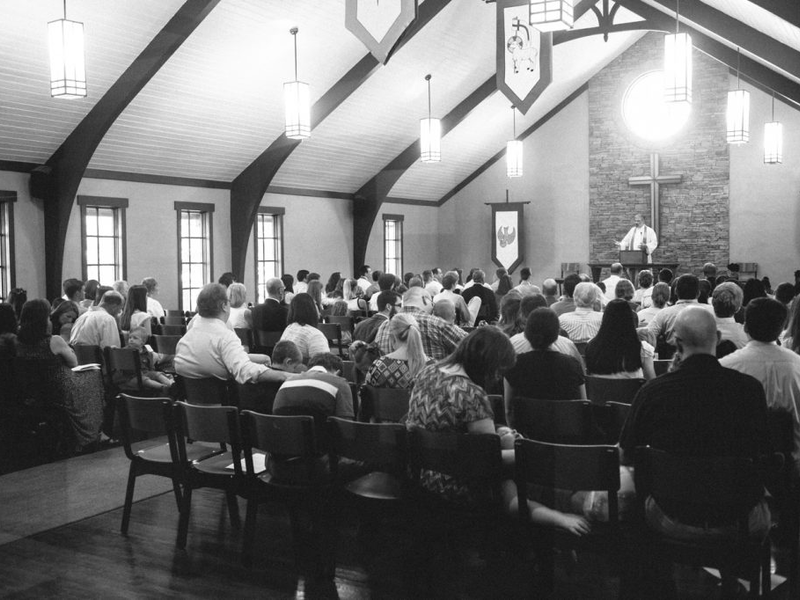
There are many legitimate reasons to lament the divided state of the church. Fleshly pride, theological hubris, sectarian rivalries are each in their own ways modern versions of the Galatian heresy, refusing table fellowship with brothers and sisters for whom Christ died. And denominations have frequently played the same role…

by Toby SumpterJune 23, 2015
img_0166
Theopolis News

Bogumil Jarmulak

Though Bogumil Jarmulak was not able to deliver his lectures on Jurgen Moltmann due to flight delays, he preached at Trinity Presbyterian Church on Sunday morning, June 14. He encouraged the church in how to deal with misery in this life, and pointed them to their only hope in life…

by Brian MoatsJune 18, 2015
img_6328
History

Christians, Liturgy, and the Past, 2

Connecting with the past within the present is a complicated endeavor. One of the most immediate challenges facing us is that of ensuring that, as Christians, our use of the past is undertaken in service of present faithfulness. The past is not a realm to which we retreat, but a…

by Alastair RobertsJune 18, 2015
img_6538-2
Theopolis News

Letter From Peter Leithart

Dear friend of Theopolis, Before he attended the Theopolis course on Holistic Mission during Easter term, 2014, Jonathan Sedlak lived with his family in the quiet, comfortable Milwau­kee suburb of Slinger, Wisconsin. An intensive week in Birmingham changed all that. Listening to missionary Wes Baker and hashing over readings and…

by TheopolisJune 16, 2015
bauhaus
Architecture

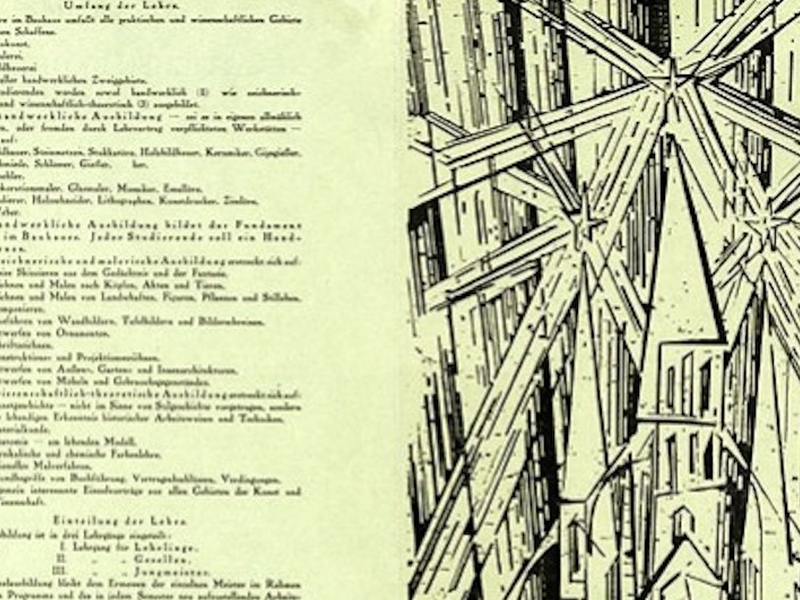
The Crystalline Vision: Bauhaus and the Bible

“What is in the nature of these materials?” The Bauhaus, founded in Germany in 1919 by architect Walter Gropius, had a profound influence in every area of design, from graphics and typography to clothing, furniture and architecture. The institution was not so much a style as a method, its philosophy…

by Mike BullJune 11, 2015
samuel-branch-zpvisr0s_hq-unsplash
Books

The American Way of Being Church

​Russell Richey's ​Denominationalism collects some of the most important essays on its titled topic. The authors are a who's-who of 20th century American religious history: Winthrop Hudson, Timothy L. Smith, Sidney Mead, Richey himself, H. Richard Niebuhr and Martin Marty. Some are broad synthetic studies; others are more granular studies…

by Peter LeithartJune 10, 2015

Showing page 151 of 309

See all

Showing page 7 of 43

See all

Law and Mirrors

James says that the law is a mirror. We think he means that we read the law, it shows us flaws and blemishes, and we are convicted of sin. That’s not the way the image works in James. The man who looks in a mirror and turns away is not…

January 30, 2009
History

Julian the Christian

Julian “the Apostate” saw how the Christian church grew “due to philanthropy to strangers, burial of the dead and seeming purity of life.” Pagans needed to catch up, and this meant charity: “In every city,” he ordered, “numerous hostels should be established that strangers, whether or not of our faith,…

January 29, 2009
Literature

Updike

No American writer of the last fifty years even approximated the luxuriance of John Updike. In its lengthy obit, the NYT cites this from an early short story: “Snow fell against the high school all day, wet big-flake snow that did not accumulate well. Sharpening two pencils, William looked down…

January 29, 2009
History

Christians and empire

“One cannot serve God and the Emperor,” Tertullian wrote. Early Christians were anti-imperial then? Not necessarily. When Celsus charged that Christians would leave the Emperor alone against the barbarians, Origen protested: “We help the emperor in his extremities by our prayers and intercessions more effectively than do the soldiers. Just…

January 29, 2009
History

Christians and slavery

Early Christians did not call for abolition, and even after the empire became Christian much of the traditional Roman social structure remained in place. Yet, Hermann Dorries writest that Christianity provided Constantine and the Christian emperors who followed with “the possibility of gradual amelioration.” Considering the central economic importance of…

January 29, 2009
Politics

Endless campaign

In his first interview as President, Obama told Al-Arabiya that America needs to learn to listen because “all too often the United States starts by dictating.” Does anyone honestly believe that American diplomats go into the Middle East and starts by ordering everybody around? Of course, US diplomats have a…

January 27, 2009

Showing page 1423 of 2212

Browse by Category

In Medias Res

Your weekly digest for all things Theopolis.

Donate

Theopolis is nearly 100% donor-supported. Consider joining us on our mission.