Theopolis Logo

Writing

Explore our collection of theological essays, biblical studies, and reflections on faith and culture.

See all
screen-shot-2021-06-03-at-8-49-15-am
Ezra

Ezra: The Aaronic Rest-Giver

If you’re a preacher looking for good commentaries on Ezra, you’ll struggle. Certainly to find ones that wrestle in good detail with the text. And certainly ones that don’t cost you an arm and a leg. There’s a good bit more for Nehemiah, which is odd, as the two are…

by Rhys LavertyJune 8, 2021

christian-lue-k1e6994p3t8-unsplash
1 John

1 John in Community

Quick thought experiment: try to pretend you’ve never read 1 John before. Read 1:1-6. Go ahead; I’ll wait. Now, on to v. 7: “But if we walk in the light as He is in the light, we have fellowship with ______….” What word would you expect in that blank, based…

by Tim NicholsJune 1, 2021
noahs-ark-genesis
Hermeneutics

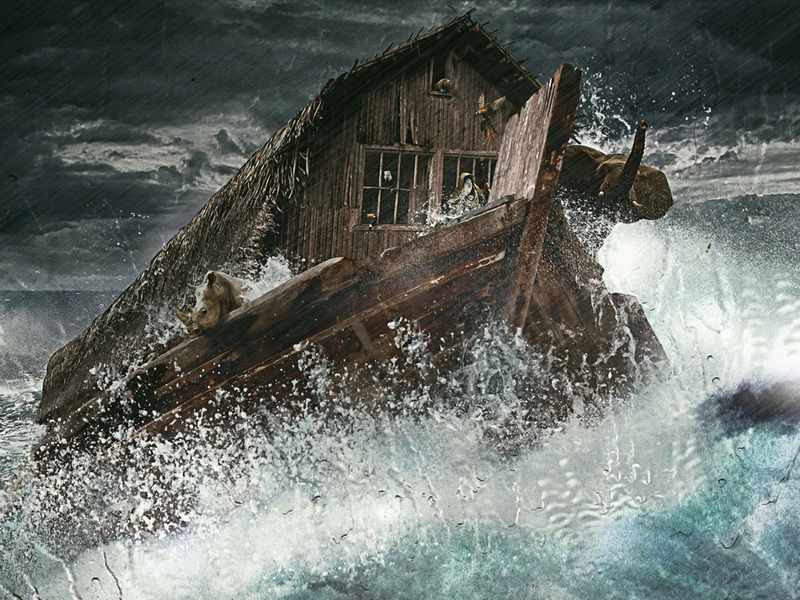
Spending Time with Noah: Reflections on Prepositions in the Flood Narrative

In my work as a Bible translator, I was recently checking our translation team’s draft of Genesis 8:8, which says of Noah (translating the Hebrew quite literally): And he sent out the dove from with him to see: had the waters lessened from upon the face of the ground? Part…

by Josh JensenMay 25, 2021
86758
Philosophy

Steven Weinberg Destroyed My Faith

Just in case a reader may not know Weinberg, he is a theoretical physicist and the winner of the Nobel prize in physics in 1979, as well as countless other prizes for his research. He is also a prolific, lucid, and captivating writer. If you want to read something on…

by Ralph Allan SmithMay 18, 2021
screen-shot-2020-09-17-at-9-11-45-am
Colossians

Reconciliation in Colossians 1:20

Colossians 1:15-20 is a famous passage in Paul’s epistles because it is a succinct and powerful poem. It appears even to have been a hymn. Given the uniquely Pauline language — “reconciliation” is a term used only by Paul — it should not seem odd to attribute the poem/hymn to…

by Ralph Allan SmithMay 11, 2021
stalker_still
Movies

Terror of Knowing Myself

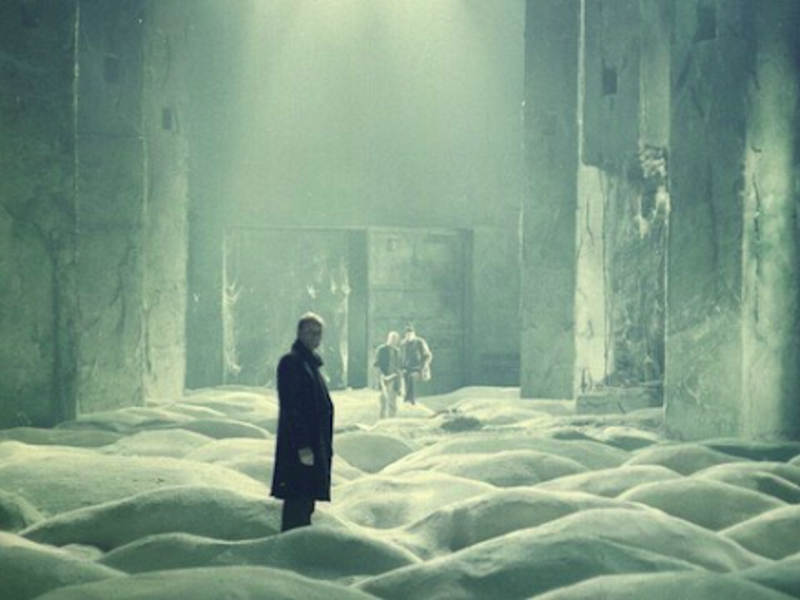
Stalker (1979) is a film by Andrei Tarkovsky based on Roadside Picnic by the Strugatsky brothers. It shows a day from the life of a stalker, a man who enters the so-called "Zone", an Alien landing site, where he leads people to a room that grants people’s innermost desires, which…

by Bogumil JarmulakMay 4, 2021

Showing page 55 of 309

See all

Showing page 7 of 43

See all

Epicurean indifference revisited

Wes Callihan writes, in response to my brief quotation from Lucretius: “Possibly, however, Lucretius wouldn’t consider the indifferent watcher from the porch outside Pompeii a true Epicurean. Doesn’t the very next line go on to say something about how the pleasure is *not* in the other person’s suffering but in…

October 15, 2008
Philosophy

Direction revelation

Isaiah Berlin’s book on Hamann is lively engaging, but Berlin doesn’t get Hamann. For instance: “Hamann’s constantly repeated point is that revelation is direct contact between one spirit and another, God and ourselves.” Not. The opposite is the case: His constantly repeated point is that God speaks to the creature…

October 15, 2008

Lucretian wisdom

Book 2 of De rerum natura begins with “It is sweet on the great sea to watch from the shore other people drowning.” The words were found on a wall on a house in Pompeii. Perhaps someone sweetly watched from a perch opposite Vesuvius as the lava flow swallowed up…

October 14, 2008

Arian incoherence

Athanasius ties the Arians up in knots with an order-of-decrees argument. If the Son is created for the sake of creating us, then the Son exists for our need rather than we for His sake. That suggests a particular ordering of God’s will: “It is not that God, having the…

October 14, 2008

Speech-act Christology?

Athanasius says that “the words of human beings do not act.” Instead, “it is not by words but by hands that a human being works, for human hands have subsistence while words do not.” Hence, he is willing to adopt Irenaeus’s notion that the Son and Spirit are the two…

October 14, 2008

Creator-creature

Athanasius ( Orations Against the Arians ) writes that “God is not like us.” This is in the context of explaining how the eternal Word differs from the ephemeral words of human beings, and how the divine Word actually does what it says: “the Word of God is not, as…

October 14, 2008

Showing page 1460 of 2212

Browse by Category

In Medias Res

Your weekly digest for all things Theopolis.

Donate

Theopolis is nearly 100% donor-supported. Consider joining us on our mission.