Theopolis Logo

Writing

Explore our collection of theological essays, biblical studies, and reflections on faith and culture.

See all
rembrandt-main
Art

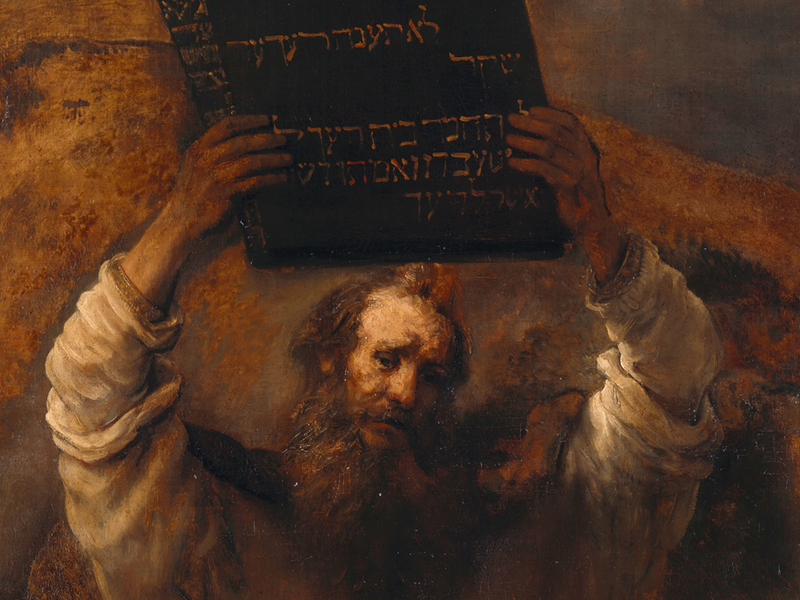
The Second Word V: On Images and Art, Part 3

The Failure of the Church Yet a third factor played an important role in this historical development, in addition to the imperial adoption of icons and the rise of the icons of the holy man. Brown writes: "The great Christian basilicas of the previous centuries tended to stand empty, except…

by James B. JordanSeptember 4, 1998
screenshot-2023-09-11-at-11-34-45-am
Biblical Horizons

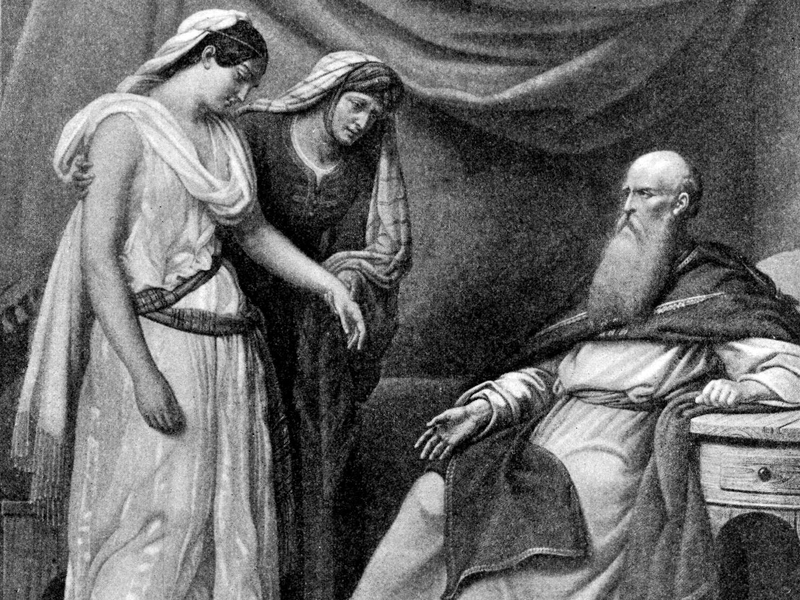
Patriarchal Dominion

The three large patriarchal narratives of Genesis concern the three aspects of the cosmos: matter, space, and time. Over these three is man given dominion. Lucifer was originally appointed to train man in this dominion, but he chose to lead man into rebellion instead. Thus, the Angel of Yahweh replaced…

by James B. JordanAugust 4, 1998
trnava-university-beeyeib-am8-unsplash
Biblical Horizons

The Case Against Western Civilization, Part 6

Part 6: Living in a Dying World (continued) The "Trivium" (continued) The five stages of education are simply the five stages of the covenant as God administers it in human life and history, and in the liturgy of covenant renewal: First, God announces Himself. "I am Yahweh Your God." He…

by James B. JordanAugust 4, 1998
screen-shot-2022-05-12-at-12-07-23-pm
Biblical Studies

Re-creation in the Ascension Offering

The following essay is tentative and exploratory, offered for your consideration. It seems to me that the ritual of the Ascension Offering (incorrectly translated as Burnt Offering) of Leviticus 1 is a symbolic recapitulation of Genesis 1, which thereby portrays the sacrificial ritual as way of moving from a fallen…

by James B. JordanJuly 4, 1998
Biblical Horizons

The Framework Hypothesis: A Gnostic Heresy

Just as the vast majority of evangelical Christians in America today are Arminian and Baptist, so the vast majority do not believe in a creation around 4000 BC. I don’t expect any of these three situations to change anytime soon. Powerful presuppositions are at work in all three instances, along…

by James B. JordanJuly 4, 1998
picture-mosaic-cathedral-jesus-christ-cefalu-italy-copy
Art

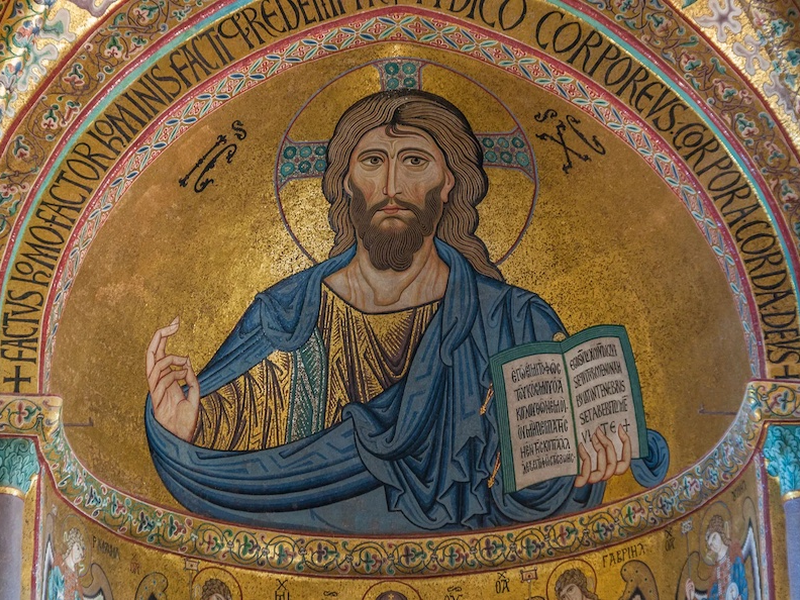
The Second Word V: On Images and Art, Part 2

The Iconoclastic Controversy Continuing Pagan Influence How did images creep in? To begin with, there was in the post-Constantinian Church a concerted effort on the part of the semi-pagans to interpret Christianity in essentially pantheistic terms. The heretics put God and man on a continuum of "being," so that God…

by James B. JordanJuly 4, 1998

Showing page 248 of 309

See all

Showing page 7 of 43

See all

Arianism and eschatology

Gregory of Nyssa discerned that Arianism erred because it “defines God’s being by its having no beginning, rather than by its having no end . . . . If they must divine eternity, let them reverse their doctrine and find the mark of deity in endless futurity . . .…

September 13, 2008

There goes Plato

My two favorite paragraphs from Jenson’s Triune Identity : “‘Out of the being of the Father’ affirms just that origin of Christ within God’s own self which Arius most feared. The phrase says that the Son is not an entity originated outside God by God’s externally directed choice, that he…

September 13, 2008

Time and Arianism

Behind Arianism, Jenson sees the typical Hellenistic desire to escape time: “what moves Arius is the late-Hellenic need to escape time, to become utterly dominant. If we are to be saved, Arius supposes, there must be some reality entirely uninvolved with time, which has no origin of any sort and…

September 13, 2008

Tertullian, Patristic Moltmann

Jenson summarizes several thread of Tertullian’s Trinitarian theology: “Tertullian’s interpretation of God was far more biblical than that of the Apologists. He explicitly distinguished the living personal God of Scripture from both the numina of the old Roman religion and the abstract deity of Hellenism . . . . So…

September 13, 2008

Trinity, Exitus, Reditus

The basic structure of redemptive history is an exitus and reditus structure, going out from God and return to Him. For Thomas, Emery says, “The Trinitarian processions provide the doctrinal foundation of the exitus-reditus structure of the world and of history.” He quotes Thomas as saying, “Just as the procession…

September 13, 2008

Arianism and the Suffering God

RPC Hanson writes, “At the heart of the Arian Gospel was a God who suffered. Their elaborate theology of the relation of the Son to the Father which so much preoccupied their opponents was defised in order to find a way of envisaging the Christian doctrine of God which would…

September 13, 2008

Showing page 1471 of 2212

Browse by Category

In Medias Res

Your weekly digest for all things Theopolis.

Donate

Theopolis is nearly 100% donor-supported. Consider joining us on our mission.