Theopolis Logo

Writing

Explore our collection of theological essays, biblical studies, and reflections on faith and culture.

See all
img_5862
Culture

Birmingham Life and Culture Series

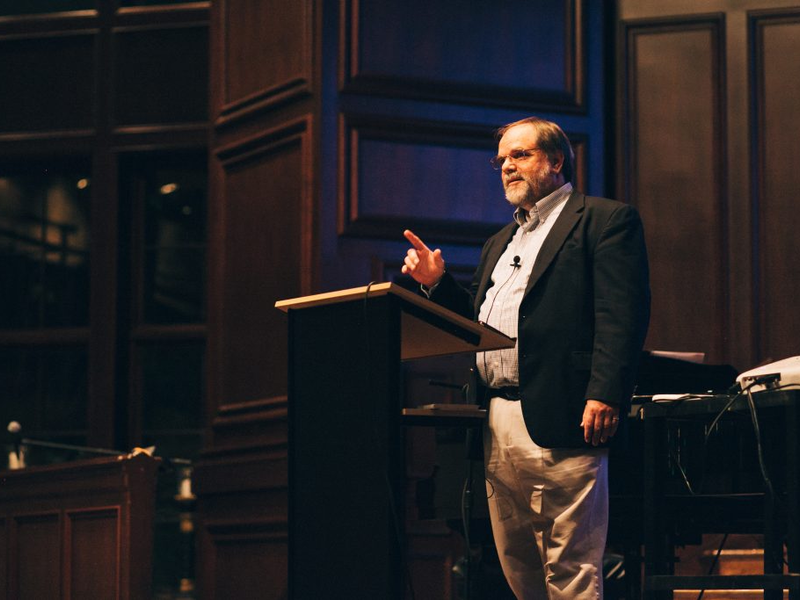
There’s something about joy that is infectious. And occasionally, we all have the opportunity to be in someone’s presence who is so happily engaged in their work, so joyous in their pursuits, that we want to learn from them. We want to know where that joy comes from and attain…

by Brian MoatsOctober 23, 2015
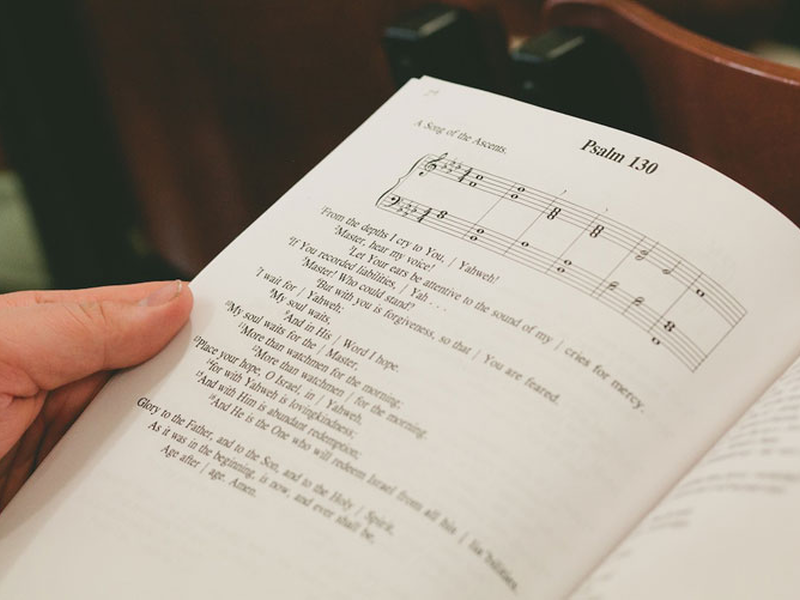
img_6077
How to Worship

How To Change the World, (Part 1)

Jesus has told us that He intends all nations to be discipled. Nations. Not just individuals. All nations as theocracies. That being the case, the Church exists for the life of the world. Being baptized is not only a matter of becoming part of a new family, it is also…

by James B. JordanOctober 22, 2015
branagh-macbeth
Literature

Adam, Saul, Macbeth

Harold Bloom’s essay on Macbeth includes the kind of penetrating insights that make Bloom the great Shakespearean scholar that he is, but it also includes his typical and intense anti-Christian bias. “If Lear was pre-Christian, then Macbeth is weirdly post-Christian. There are, as we have seen, Christian intimations that haunt…

by Ralph Allan SmithOctober 20, 2015
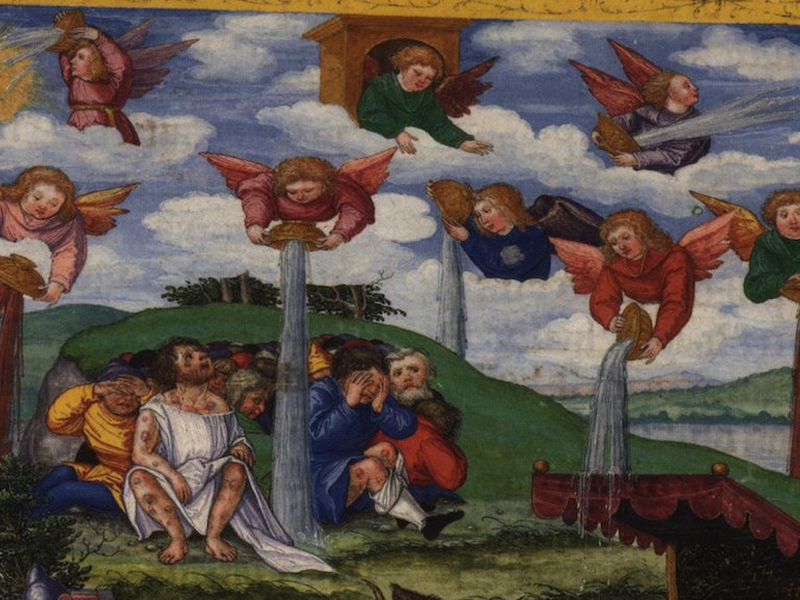
bowls
Revelation

Inverted Atonement

Revelation 16 is a day of atonement text. The tabernacle of the testimony has been opened (15:5). The angels who receive the bowls are clothed in linen (15:6), the clothing of the high priest when he goes into the sanctuary on the day of atonement (Leviticus 16:4). The temple is…

by Peter LeithartOctober 15, 2015
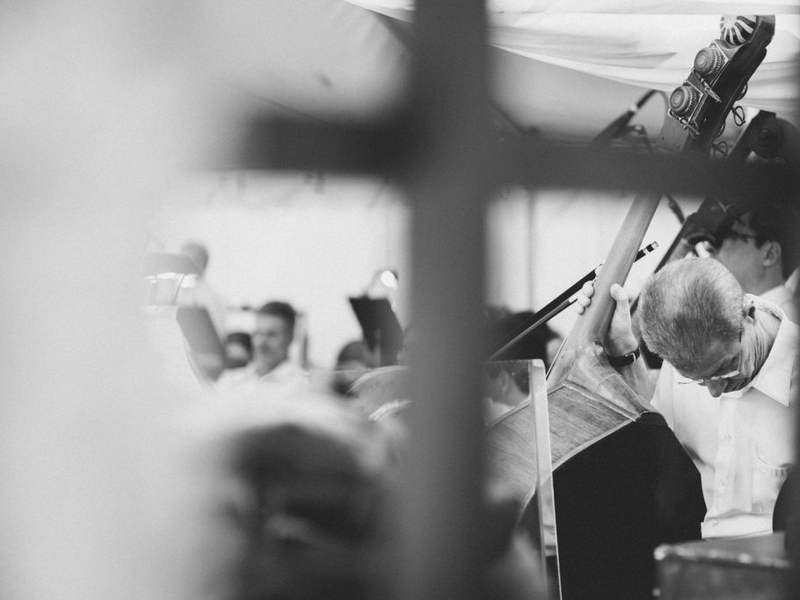
img_9025
Biblical Studies

Music and Hermeneutics

From time to time, when I’ve lectured on how to read the Bible, I’ve used art-music as one example thereof. When we listen to a simple folk song, we hear the same melody over and over again, but this is not how composers write "high" music. Let me amplify. A…

by James B. JordanOctober 13, 2015
schlanger_jonah_prison_090913_620px
Biblical Studies

In the Fish: The Church as Tomb

"For just as Jonah was three days and three nights in the belly of the sea-monster, so will the Son of Man be three days and three nights in the heart of the earth" (Matthew 12:40). Some reflections on Jonah’s Big Fish have led to the following essay. Let me…

by James B. JordanOctober 8, 2015

Showing page 142 of 309

See all

Showing page 7 of 43

See all

Clever Drudge

Drudge couldn’t care a whit for Hillary Clinton, but his increasingly provocative headlines (most recently, “Diss-Off”) for a story on how Obama never considered Hillary as a veep candidate can have only one result: To get Hillary’s supporters, already cool toward Obama, hopping mad.

August 22, 2008

Enlightenment and elementary principles

Kant regards positive religions or ecclesiastical faiths (including Christianity) as temporary moral crutches that we can shed as we approach the pure natural religion of reason. Christianity’s institutions, sacraments, dogmas, are the stoicheia leading us to enlightenment. Here we see the problematics of Christian sacramental theology, going back at least…

August 22, 2008
Philosophy

Changing past and realism

Weberman returns to Danto to advance his argument. He notes that Danto shies away from saying that past events change, and suggests that he did this in order to remain a realist about past events; Danto held that “past events are what they are in a mind-independent way.” He insists…

August 19, 2008
Philosophy

Nonfixity of past

In an article in the Review of Metaphysics (1997), David Weberman argues for the “nonfixity of the historical past.” He starts from Arthur Danto’s argument that historical inquiry and writing cannot be a reconstruction available to an “ideal chronicler” who knows everything that happens the moment it happens and sets…

August 19, 2008

Union card

E. Miner wrote, that “the ability to declare typology absent is a kind of proof of sound modern critical method.” Which translated means, Skepticism about typology is the union card of serious biblical scholarship.

August 19, 2008

Brick Hermeneutics

A. K. A. Adam offers a useful critique of what he calls “brick hermeneutics.” Taking a cue from George Herriman’s early 20th-century comic strip Krazy Kat, he describes brick hermeneutics as follows: “Most of our discourses take for granted the premise that we communicate by infusing ‘meaning’ into some expression,…

August 19, 2008

Showing page 1480 of 2212

Browse by Category

In Medias Res

Your weekly digest for all things Theopolis.

Donate

Theopolis is nearly 100% donor-supported. Consider joining us on our mission.