Theopolis Logo

Writing

Explore our collection of theological essays, biblical studies, and reflections on faith and culture.

See all
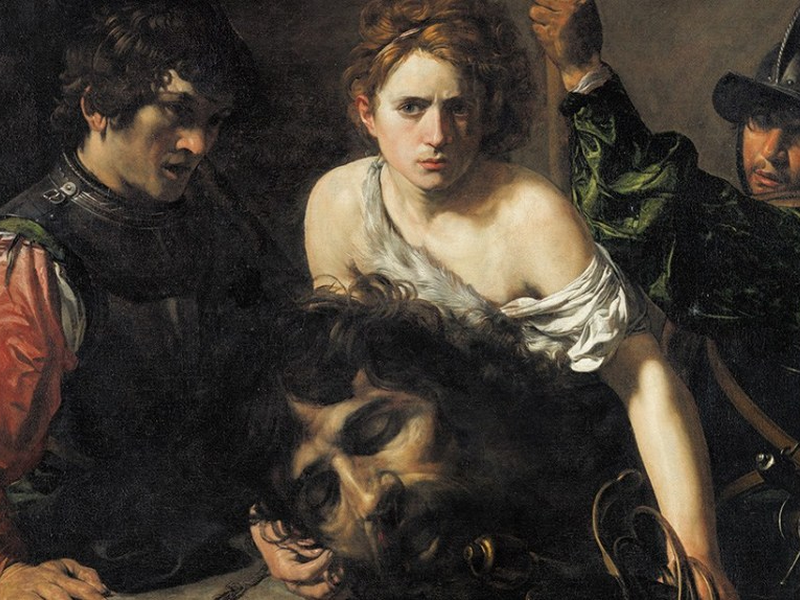
david-with-goliaths-head-and-soldiers-crop

David, Goliath, and the Body of Moses, Part 1

In the Bible, all the world is a stage, but like the Tabernacle, that stage moves around a lot. David’s defeat of Goliath can only be fully understood as liturgy fulfilled in history. Liturgy, as a sacrifice of praise, is the step-by-step process of resolving a conflict. It relinquishes all…

by Mike BullAugust 22, 2019

andrew-welch-eozrev7i3pi-unsplash
Aristotle

On Friendship

Aristotle isn’t fundamentally wrong about friendship, nor is the long tradition that follows him. But you might not gather that by reading some of the more pointed critics of the classical conception of friendship. I think, however, that the classical view is not only viable but taken up and fulfilled…

by Jack FranicevichAugust 20, 2019
jachan-devol-xdplirqchx8-unsplash
Epistemology

Integration: Putting the Pieces Together

#13 in Theopolis Papers, Seeking Integration in a Fragmented World It is time for me to “cast off” integration, the way a knitter removes a completed scarf from the needles. I want to bring my quest concerning integration to a decent closure, though my happy quest for reality continues. With…

by Esther Lightcap MeekAugust 13, 2019
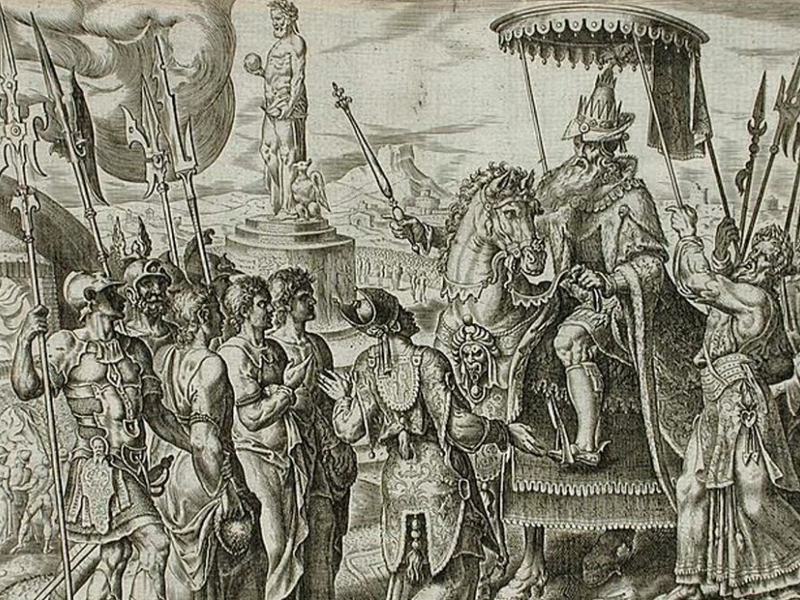
nebuchadnezzar
Revelation

Nebuchadnezzar’s Unfinished Symphony

Below are some notes on a particular sub-theme of Daniel 3, namely the downfall of Babylon’s liturgy. First up, a few words on our text’s literary construction. One of the most conspicuous features of Dan. 3 is its author’s love of lists . Personnel are listed (vs. 2, 3, 27),…

by James BejonAugust 6, 2019
e99a0657
Prayer

Praying for God's Good Name

Few things in Scripture, few things in the Christian life, are more familiar than the Lord’s Prayer. Sunday after Sunday, we pray these words together with our brothers and sisters. At home, alone or with our families, we pray this prayer daily, as Jesus taught us (Luke 11:2: “When you…

by John BarachJuly 30, 2019
catholicity_1
Culture

The Head, the Heart, and the “Gay Christian” Movement

At the 2019 General Assembly of the Presbyterian Church in America, the denominational delegates considered a number of official overtures (requests for action from the regional parts of the denomination) relating to issues of gender and sexuality. The PCA is conservative. As evidence of this, the assembly passed a resolution…

by Jonathan BarlowJuly 23, 2019

Showing page 76 of 309

See all

Showing page 7 of 43

See all

Clever Drudge

Drudge couldn’t care a whit for Hillary Clinton, but his increasingly provocative headlines (most recently, “Diss-Off”) for a story on how Obama never considered Hillary as a veep candidate can have only one result: To get Hillary’s supporters, already cool toward Obama, hopping mad.

August 22, 2008

Enlightenment and elementary principles

Kant regards positive religions or ecclesiastical faiths (including Christianity) as temporary moral crutches that we can shed as we approach the pure natural religion of reason. Christianity’s institutions, sacraments, dogmas, are the stoicheia leading us to enlightenment. Here we see the problematics of Christian sacramental theology, going back at least…

August 22, 2008
Philosophy

Changing past and realism

Weberman returns to Danto to advance his argument. He notes that Danto shies away from saying that past events change, and suggests that he did this in order to remain a realist about past events; Danto held that “past events are what they are in a mind-independent way.” He insists…

August 19, 2008
Philosophy

Nonfixity of past

In an article in the Review of Metaphysics (1997), David Weberman argues for the “nonfixity of the historical past.” He starts from Arthur Danto’s argument that historical inquiry and writing cannot be a reconstruction available to an “ideal chronicler” who knows everything that happens the moment it happens and sets…

August 19, 2008

Union card

E. Miner wrote, that “the ability to declare typology absent is a kind of proof of sound modern critical method.” Which translated means, Skepticism about typology is the union card of serious biblical scholarship.

August 19, 2008

Brick Hermeneutics

A. K. A. Adam offers a useful critique of what he calls “brick hermeneutics.” Taking a cue from George Herriman’s early 20th-century comic strip Krazy Kat, he describes brick hermeneutics as follows: “Most of our discourses take for granted the premise that we communicate by infusing ‘meaning’ into some expression,…

August 19, 2008

Showing page 1480 of 2212

Browse by Category

In Medias Res

Your weekly digest for all things Theopolis.

Donate

Theopolis is nearly 100% donor-supported. Consider joining us on our mission.