Theopolis Logo

Writing

Explore our collection of theological essays, biblical studies, and reflections on faith and culture.

See all
screen-shot-2021-06-03-at-8-49-15-am
Ezra

Ezra: The Aaronic Rest-Giver

If you’re a preacher looking for good commentaries on Ezra, you’ll struggle. Certainly to find ones that wrestle in good detail with the text. And certainly ones that don’t cost you an arm and a leg. There’s a good bit more for Nehemiah, which is odd, as the two are…

by Rhys LavertyJune 8, 2021

christian-lue-k1e6994p3t8-unsplash
1 John

1 John in Community

Quick thought experiment: try to pretend you’ve never read 1 John before. Read 1:1-6. Go ahead; I’ll wait. Now, on to v. 7: “But if we walk in the light as He is in the light, we have fellowship with ______….” What word would you expect in that blank, based…

by Tim NicholsJune 1, 2021
noahs-ark-genesis
Hermeneutics

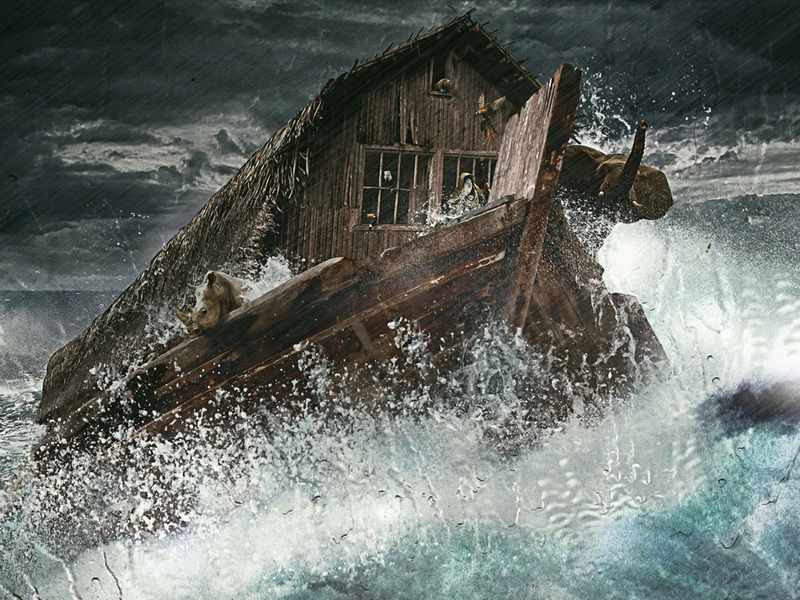
Spending Time with Noah: Reflections on Prepositions in the Flood Narrative

In my work as a Bible translator, I was recently checking our translation team’s draft of Genesis 8:8, which says of Noah (translating the Hebrew quite literally): And he sent out the dove from with him to see: had the waters lessened from upon the face of the ground? Part…

by Josh JensenMay 25, 2021
86758
Philosophy

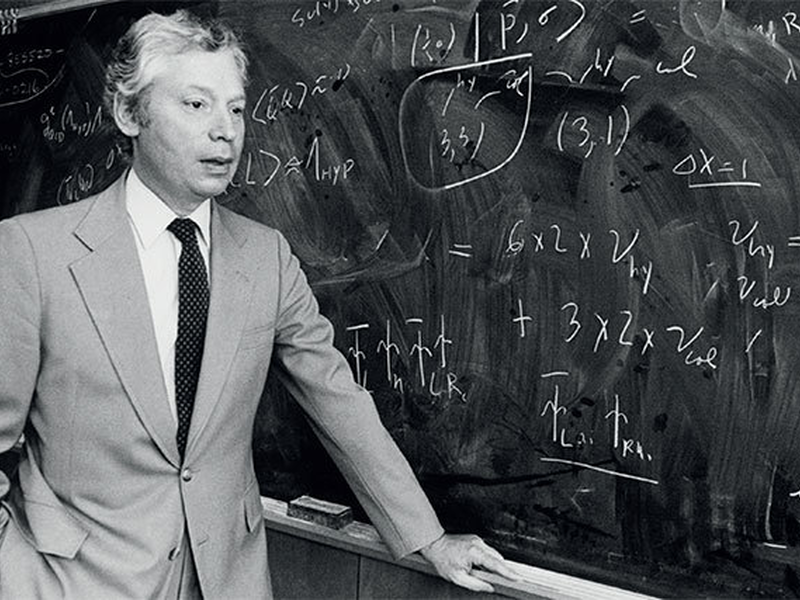
Steven Weinberg Destroyed My Faith

Just in case a reader may not know Weinberg, he is a theoretical physicist and the winner of the Nobel prize in physics in 1979, as well as countless other prizes for his research. He is also a prolific, lucid, and captivating writer. If you want to read something on…

by Ralph Allan SmithMay 18, 2021
screen-shot-2020-09-17-at-9-11-45-am
Colossians

Reconciliation in Colossians 1:20

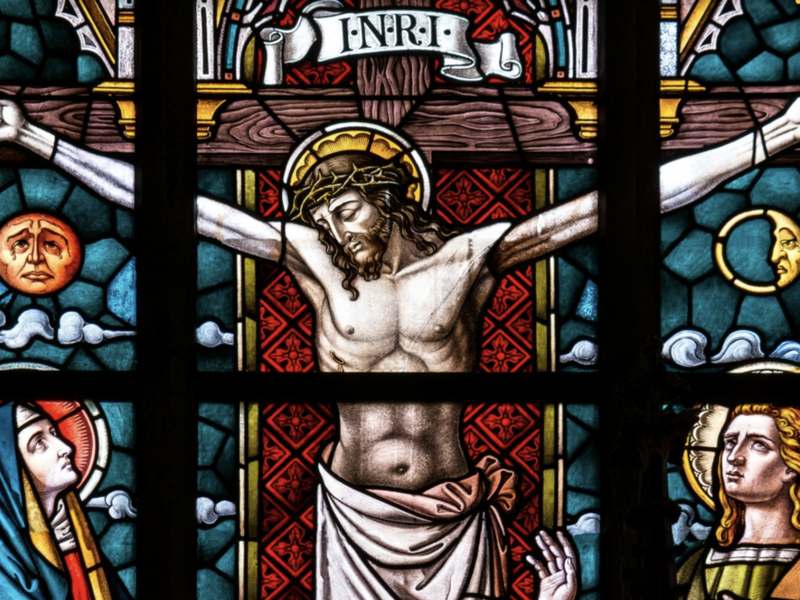
Colossians 1:15-20 is a famous passage in Paul’s epistles because it is a succinct and powerful poem. It appears even to have been a hymn. Given the uniquely Pauline language — “reconciliation” is a term used only by Paul — it should not seem odd to attribute the poem/hymn to…

by Ralph Allan SmithMay 11, 2021
stalker_still
Movies

Terror of Knowing Myself

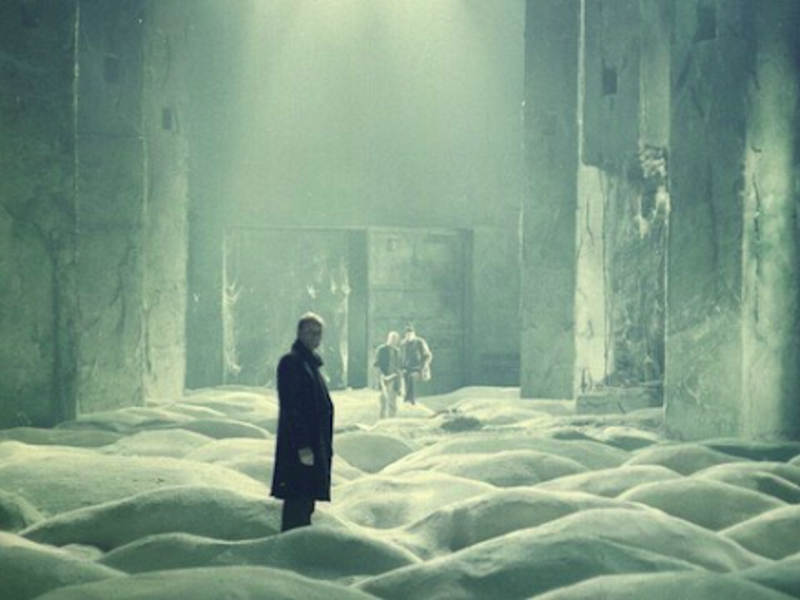
Stalker (1979) is a film by Andrei Tarkovsky based on Roadside Picnic by the Strugatsky brothers. It shows a day from the life of a stalker, a man who enters the so-called "Zone", an Alien landing site, where he leads people to a room that grants people’s innermost desires, which…

by Bogumil JarmulakMay 4, 2021

Showing page 55 of 309

See all

Showing page 7 of 43

See all

Etymology

Peter Cotterell and Max Turner summarize James Barr’s case against etymology, dismissing TF Torrance’s claims about the links between ekklesia and kaleo , qahal and qol : “Even if qahal derives from qol , ‘voice’, (which is no more than merely possible ) it remains highly questionable whether anyone would…

July 18, 2008

Emotive Speech

Ogden and Richards, whose triangle of signification (word, concept, reference) has had a significant impact in evangelical hermeneutics, begin their book on the “meaning of meaning” by acknowledging that words have other functions than referential, “which may be grouped together as emotive. These can best be examined when the framework…

July 18, 2008

Unending lawsuit

In his book, Liturgies and Trials , Richard Fenn writes, “The individual is perpetually facing judgment by abstract and impersonal criteria that are only partially revealed while always calling into question the individual’s own sense of worthiness . . . the theme of the ‘last judgment’ loses its theological framework,…

July 16, 2008

Justification and modern man

In Arthur Miller’s After the Fall , a character says, “When you’re young, you prove how brave you are, or smart; when what a good lover; then a good father; finally how wise or powerful or what-the-hell-ever. But underlying it all, I see now, there was a presumption. That I…

July 16, 2008

Higher criticism

I like J. Louis Martyn. His commentary on Galatians is a masterpiece, and the other essays I’ve read are all very stimulating. I begin with a disclaimer because what has been called Martyn’s “seminal proposal” concerning the gospel of John is remarkable mainly for the absence of evidence and argument.…

July 16, 2008
History

Civilization of Word

In the introduction to his Elements of Semiology (1964), Roland Barthes argues that for all the icons and images that surround us, we remain a civilization of the word: “Semiology has so far concerned itself with codes of no more than slight interest, such as the Highway Code; the moment…

July 15, 2008

Showing page 1492 of 2212

Browse by Category

In Medias Res

Your weekly digest for all things Theopolis.

Donate

Theopolis is nearly 100% donor-supported. Consider joining us on our mission.