Theopolis Logo

Writing

Explore our collection of theological essays, biblical studies, and reflections on faith and culture.

See all
aldous-huxley-smoking-circa-1946
Books

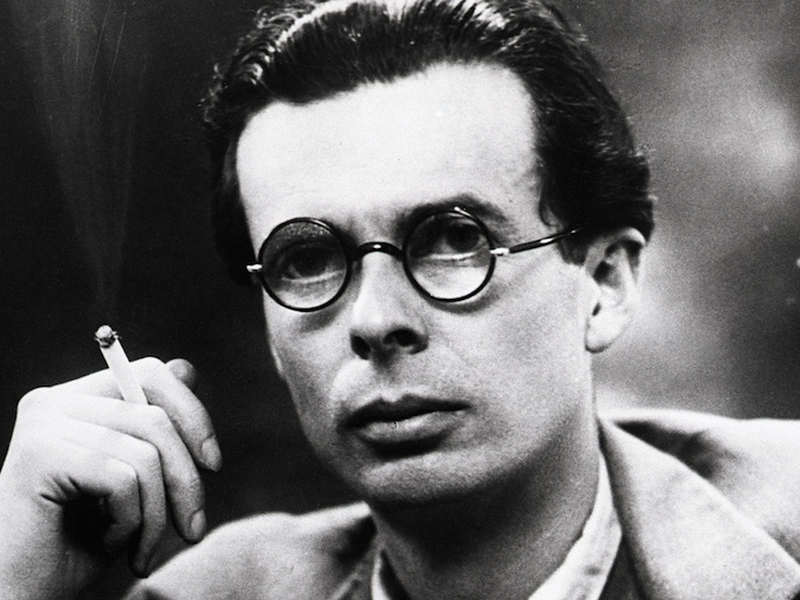
Dull New World

If utopia is a perfect place or at least the best possible social arrangement, it must be a very dull place where any change is a change for worse and not for better, where nothing can be new and good at the same time. There can be no conflict in…

by Bogumil JarmulakDecember 8, 2015
baptism-of-christ
Baptism

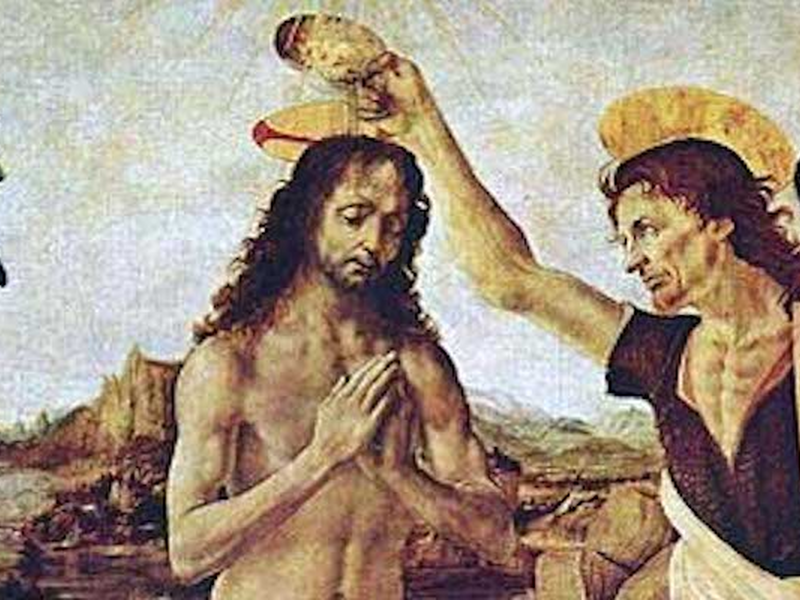
Sealed for Resurrection: Baptism and the Objectivity of the Body

Christians, even those who say much about ‘incarnational’ faith, can say surprisingly little about the way that God claims our bodies . Perhaps this is most striking in treatments of baptism, where the intensely bodily character of the rite would especially seem to invite comment. Even if the term ‘baptism’…

by Alastair RobertsDecember 3, 2015
children-unwanted
Abortion

Letters on Abortion, (Part 3)

Dear Pastor, I believe the locus of the difference between us is your statement here: "There are mothers who choose to risk their lives and even die to preserve the fetus, there are those who wouldn't. There are the circumstances of the individual, family, income, community, illness, risk factors, etc..…

by Richard BledsoeDecember 1, 2015
vitruvian-man
Body

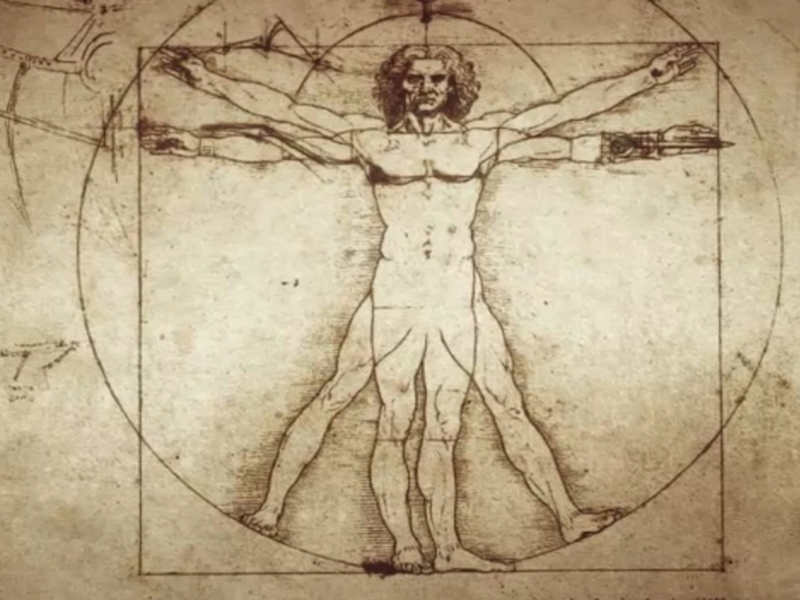
Cultivating the Body

New Year’s resolutions for weight loss are practically on the liturgical calendar of America. Somewhere around the beginning of a new year, people resolve that they will get in better shape. Some are made to feel guilty by the obesity police in our country (whose standards are, many times, very…

by Bill SmithNovember 25, 2015
pro-choice-rally
Abortion

Letters on Abortion, (Part 2)

Click HERE for Part 1 After sending my letter to the local pastors, I received a long and thoughtful post from one of the local pastors, and it was sent not just to me, but to all of the pastors whom I e-mailed. Unfortunately, I do not feel I can…

by Richard BledsoeNovember 24, 2015
trinity-1-2
Narrative

God Is Not A Story

Narrative and story have been all the rage in theology for the last few decades. The attractions are obvious. Narrative theologians favor the active, unpredictable, vibrant God of Scripture to the impersonal first principle of philosophical theology. Narrative theologians reject the notion that theologians need to justify their work by…

by Peter LeithartNovember 19, 2015

Showing page 140 of 309

See all

Showing page 7 of 43

See all

Tale of Two Women

In Numbers 12, Miriam and Aaron object to Moses’ Cushite wife. Miriam becomes leprous, is excluded from the camp, and restored on the eighth day. That is to say: The Messiah’s Jewish sister objects to the Gentile bride, and is cast out of the camp, but then she is cleansed…

November 9, 2007

Sacrificial sequence

Hicks again: He organizes his discussion of the New Covenant fulfillment of the sacrificial system in the phrases “life surrendered,” “life transformed,” and “life shared.” Reconciliation is made on the basis of life surrendered, blood shed, but that’s not the end point of the reconciling sacrifice. This enables him to…

November 8, 2007

Burning flesh

FCN Hicks writes in his 1946 book on sacrifice that the burning of an animal on the altar was not destructive but transforming: “The offering is not destroyed but transformed, sublimated, etherealised, so that it can ascend in smoke to the heaven above, to the dwelling-place of God.” He cites…

November 8, 2007
Philosophy

Signs and domination

Only God, Augustine argues in his treatise on music, acts on rational souls directly, “per seipsum.” Human beings operate on one another’s souls through intervening bodies, that is, through the words and other signs. God has arranged the world this way, he says, as a check on human ambition and…

November 8, 2007

Signa data

Many translators and interpreters of Augustine’s de doctrina Christiana translate “signa data” as “conventional signs.” But there’s something to be said for taking the phrase literally (as some commentators do). The difference between naturalia and data, Augustine says, is that the latter occur by the will of a sign-user while…

November 7, 2007
History

Sixteenth-century exchanges

Shakespeare recognized that something new was in the offing, but the actual situation of England and Europe in the sixteenth and seventeenth centuries was far more complicated that Timon of Athens suggests. The gift-society to which Timon is attached was not being completely replaced, nor was the market the main…

November 7, 2007

Showing page 1609 of 2212

Browse by Category

In Medias Res

Your weekly digest for all things Theopolis.

Donate

Theopolis is nearly 100% donor-supported. Consider joining us on our mission.