Theopolis Logo

Writing

Explore our collection of theological essays, biblical studies, and reflections on faith and culture.

See all
cloister
Democracy

The Babylonian Unity of the Church

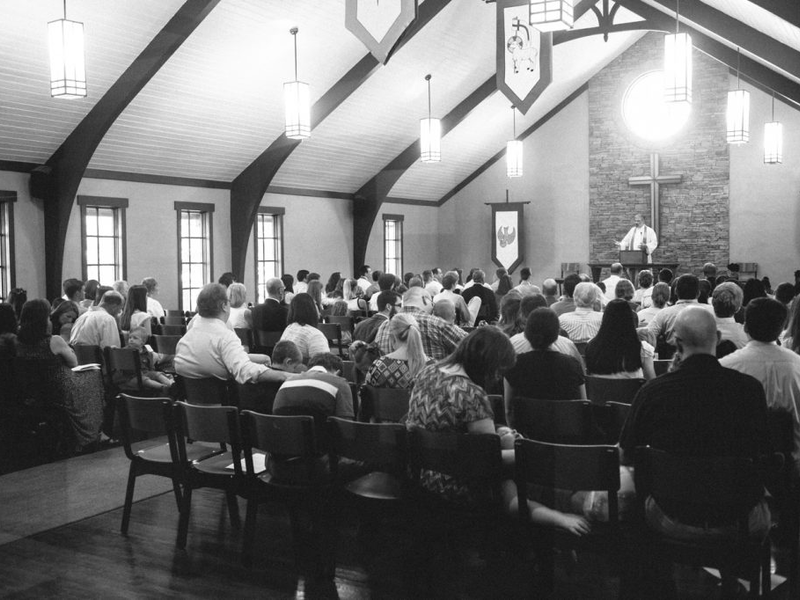
There are many legitimate reasons to lament the divided state of the church. Fleshly pride, theological hubris, sectarian rivalries are each in their own ways modern versions of the Galatian heresy, refusing table fellowship with brothers and sisters for whom Christ died. And denominations have frequently played the same role…

by Toby SumpterJune 23, 2015
img_0166
Theopolis News

Bogumil Jarmulak

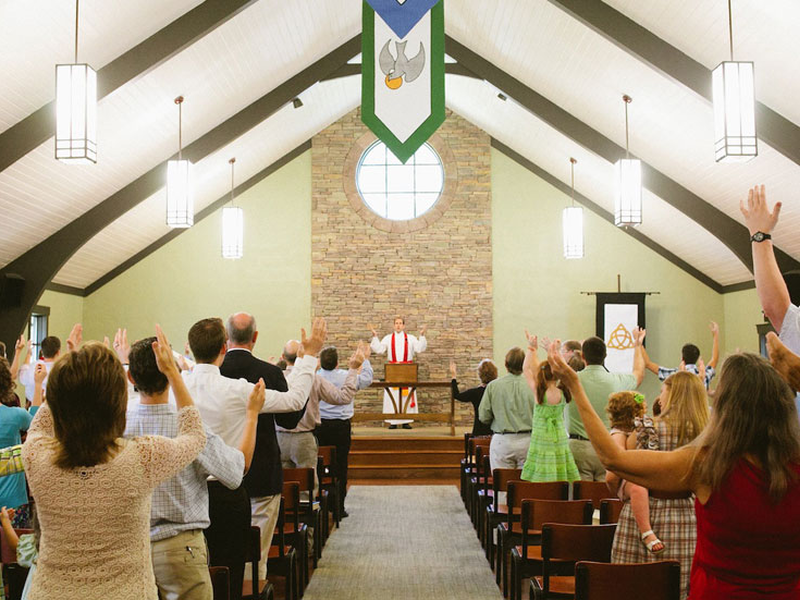
Though Bogumil Jarmulak was not able to deliver his lectures on Jurgen Moltmann due to flight delays, he preached at Trinity Presbyterian Church on Sunday morning, June 14. He encouraged the church in how to deal with misery in this life, and pointed them to their only hope in life…

by Brian MoatsJune 18, 2015
img_6328
History

Christians, Liturgy, and the Past, 2

Connecting with the past within the present is a complicated endeavor. One of the most immediate challenges facing us is that of ensuring that, as Christians, our use of the past is undertaken in service of present faithfulness. The past is not a realm to which we retreat, but a…

by Alastair RobertsJune 18, 2015
img_6538-2
Theopolis News

Letter From Peter Leithart

Dear friend of Theopolis, Before he attended the Theopolis course on Holistic Mission during Easter term, 2014, Jonathan Sedlak lived with his family in the quiet, comfortable Milwau­kee suburb of Slinger, Wisconsin. An intensive week in Birmingham changed all that. Listening to missionary Wes Baker and hashing over readings and…

by TheopolisJune 16, 2015
bauhaus
Architecture

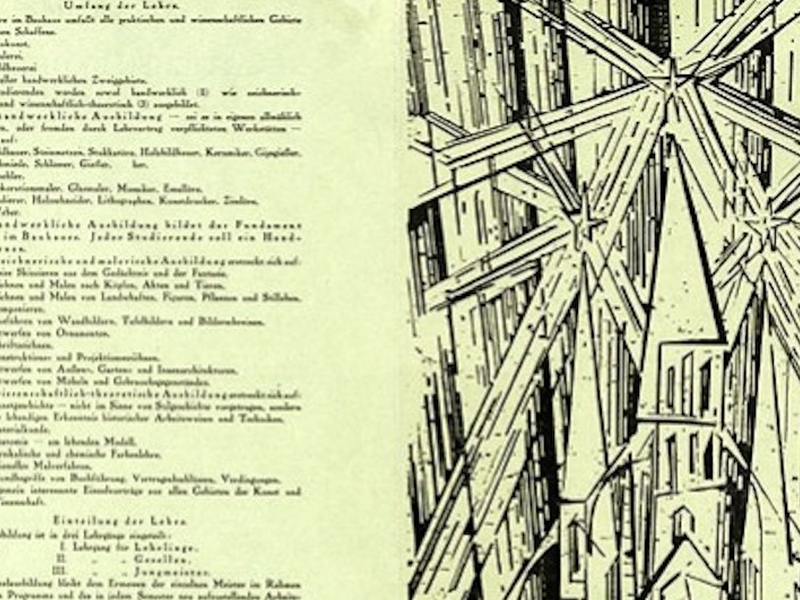
The Crystalline Vision: Bauhaus and the Bible

“What is in the nature of these materials?” The Bauhaus, founded in Germany in 1919 by architect Walter Gropius, had a profound influence in every area of design, from graphics and typography to clothing, furniture and architecture. The institution was not so much a style as a method, its philosophy…

by Mike BullJune 11, 2015
samuel-branch-zpvisr0s_hq-unsplash
Books

The American Way of Being Church

​Russell Richey's ​Denominationalism collects some of the most important essays on its titled topic. The authors are a who's-who of 20th century American religious history: Winthrop Hudson, Timothy L. Smith, Sidney Mead, Richey himself, H. Richard Niebuhr and Martin Marty. Some are broad synthetic studies; others are more granular studies…

by Peter LeithartJune 10, 2015

Showing page 151 of 309

See all

Showing page 7 of 43

See all

Exhortation

Most of the Beatitudes in Matthew are stated in third person. “Blessed are the poor in spirit, for theirs is the kingdom of heaven.” ” They shall be comforted,” ” they shall inherit the earth,” ” they shall be called the sons of God.” At the end, Jesus changes the…

September 2, 2007
Theology

Music, Time, and Augustine

One of the best discussions of Augustine’s views on time comes from Jeremy Begbie’s Theology, Music, and Time (ch. 3). Following Ricoeur’s discussion, Begbie claims that Augustine’s distentio “is conceived as the three-fold present, and the threefold present as distentio . The distentio consists in the non-coincidence of the mind’s…

August 30, 2007
Theology

Escaping time

John Rist offers some important insights into Augustine’s view of time. He notes, as many commentators do, that Augustine is not aiming to provide a definition of time but to answer the question of how time can be measured. The dilemma is: If the past no longer is, and the…

August 30, 2007

Distention and eschatology

In a 1957 essay in Man and Time , Gilles Quispel claims that Augustine’s views of time have been extracted from the “great struggle between a cyclical and a historical view of the world, between archaism and Christianity,” and therefore have been misunderstood. Augustine “comes to grips with the Neoplatonists…

August 30, 2007
Philosophy

Augustine’s non-Aristotelian Universe

Augustine argues in Confessions that time is not reducible to the movement of the celestial bodies. Aristotle agreed; but, as Ricoeur points out, the arguments that Augustine used departed radically from Aristotle. First, if the sun and stars stopped moving, and yet a potter’s wheel continued to move, time would…

August 30, 2007

Showing page 1638 of 2212

Browse by Category

In Medias Res

Your weekly digest for all things Theopolis.

Donate

Theopolis is nearly 100% donor-supported. Consider joining us on our mission.