Theopolis Logo

Writing

Explore our collection of theological essays, biblical studies, and reflections on faith and culture.

See all
james-coleman-642705-unsplash
Biblical Studies

A Daughter of Abraham

Some of the key ways Biblical writers draw attention to important details in their stories are by the use of key words, repetition, and structural devices like chiasms and parallel constructions. The Bible sounds different, even odd, to us sometimes because of the use of these and similar literary conventions.…

by Ralph Allan SmithApril 16, 2019

why-man-cannot-quit-porn-alone
Autonomy

Rehabilitating Autonomy

It is pretty standard in conservative Christian circles to condemn unbelief for pretensions of “autonomy.” Cornelius Van Til famously (at least among those of us who knows who he is) said that “There is no alternative but that of theonomy and autonomy.” Greg Bahnsen appealed to this quotation by labeling…

by Mark HorneApril 9, 2019
jesus_preaching
John

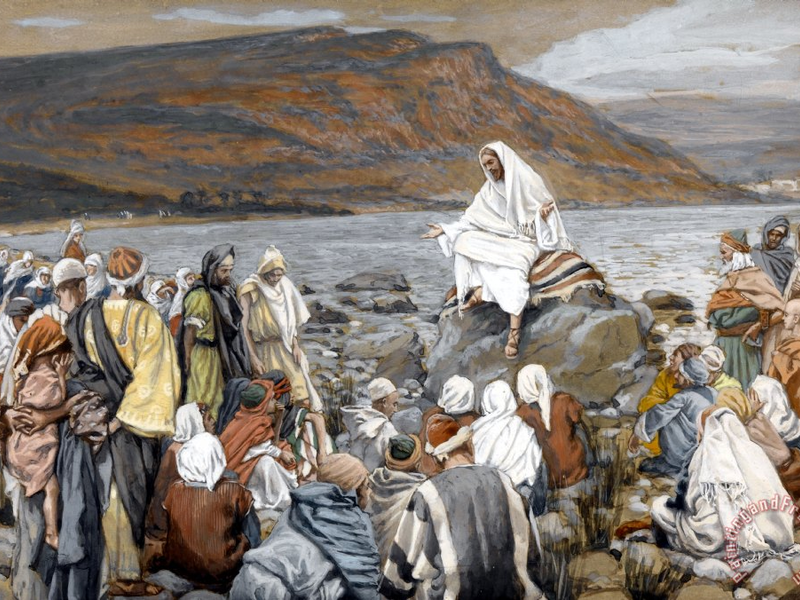
Jesus: Preacher of Paradox

Jesus was the greatest teacher who ever taught — the Light of the World, whose pure Truth brought sight to the blind (John 9). Almost no one — even those who speak openly against Him — disputes His reputation as a wise and good teacher of the way of love.…

by Ralph Allan SmithApril 2, 2019
esther
Esther

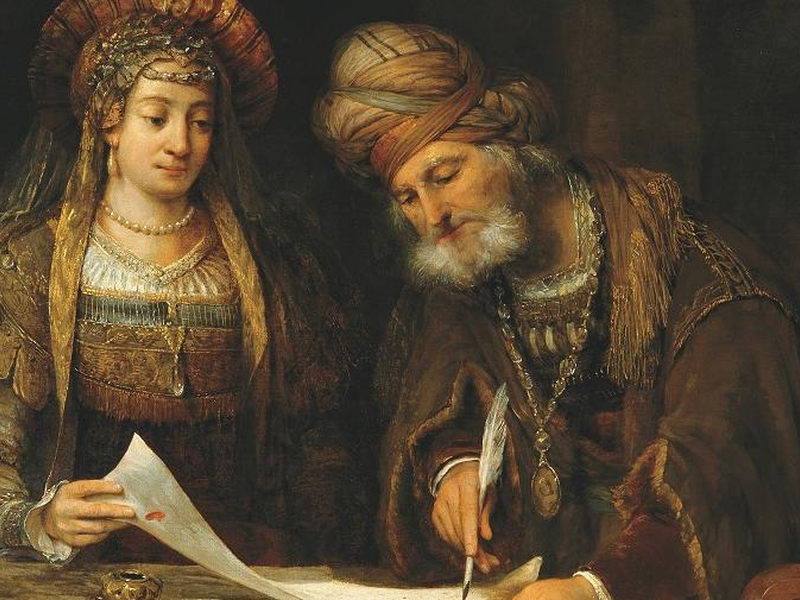
The Book of Esther in Covenant History

It is clear that the events in Esther are an integral part of the history of the formation of the Restoration Covenant Era. Amalek attacks. Amalek is spoiled. The spoils are used to build the Temple, in the sense that the crude Temple of Zerubbabel can now be glorified with…

by James B. JordanMarch 28, 2019
img_9025
How to Worship

A Positive View of Music

It is not coincidental that John Calvin speaks most strongly in defense of vernacular language just after his defense of singing in church. "From this also it plainly appears that public prayers must be couched not in Greek among the Latins, nor in Latin among the French or English, as…

by John AhernMarch 26, 2019
david-4
Biblical Theology

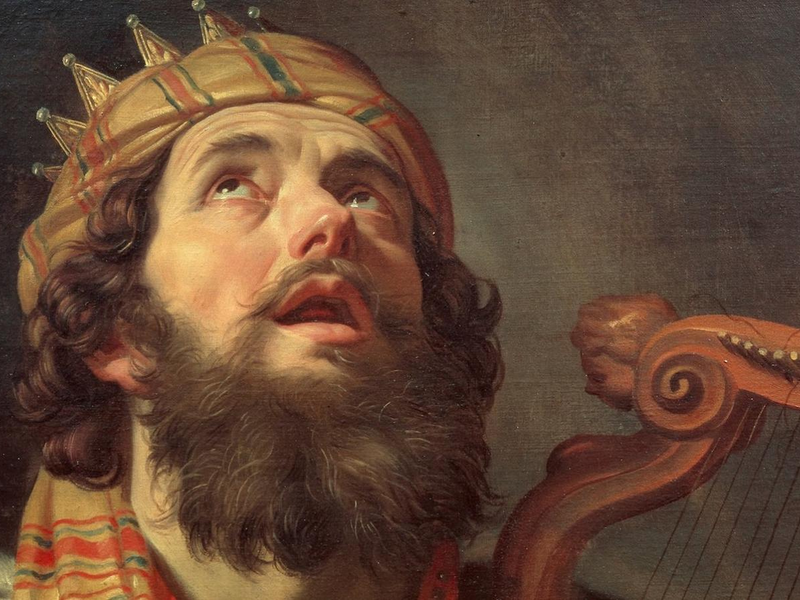
The Reopened Wounds of Jacob

In A Voyage Around the World , George Anson recounts the effects of scurvy upon an unfortunate man: But a most extraordinary circumstance, and what would be scarcely credible upon any single evidence, is, that the scars of wounds which had been for many years healed, were forced open again…

by Alastair RobertsMarch 19, 2019

Showing page 80 of 309

See all

Showing page 7 of 43

See all

Exhortation

Most of the Beatitudes in Matthew are stated in third person. “Blessed are the poor in spirit, for theirs is the kingdom of heaven.” ” They shall be comforted,” ” they shall inherit the earth,” ” they shall be called the sons of God.” At the end, Jesus changes the…

September 2, 2007
Theology

Music, Time, and Augustine

One of the best discussions of Augustine’s views on time comes from Jeremy Begbie’s Theology, Music, and Time (ch. 3). Following Ricoeur’s discussion, Begbie claims that Augustine’s distentio “is conceived as the three-fold present, and the threefold present as distentio . The distentio consists in the non-coincidence of the mind’s…

August 30, 2007
Theology

Escaping time

John Rist offers some important insights into Augustine’s view of time. He notes, as many commentators do, that Augustine is not aiming to provide a definition of time but to answer the question of how time can be measured. The dilemma is: If the past no longer is, and the…

August 30, 2007

Distention and eschatology

In a 1957 essay in Man and Time , Gilles Quispel claims that Augustine’s views of time have been extracted from the “great struggle between a cyclical and a historical view of the world, between archaism and Christianity,” and therefore have been misunderstood. Augustine “comes to grips with the Neoplatonists…

August 30, 2007
Philosophy

Augustine’s non-Aristotelian Universe

Augustine argues in Confessions that time is not reducible to the movement of the celestial bodies. Aristotle agreed; but, as Ricoeur points out, the arguments that Augustine used departed radically from Aristotle. First, if the sun and stars stopped moving, and yet a potter’s wheel continued to move, time would…

August 30, 2007

Showing page 1638 of 2212

Browse by Category

In Medias Res

Your weekly digest for all things Theopolis.

Donate

Theopolis is nearly 100% donor-supported. Consider joining us on our mission.