Theopolis Logo

Writing

Explore our collection of theological essays, biblical studies, and reflections on faith and culture.

See all
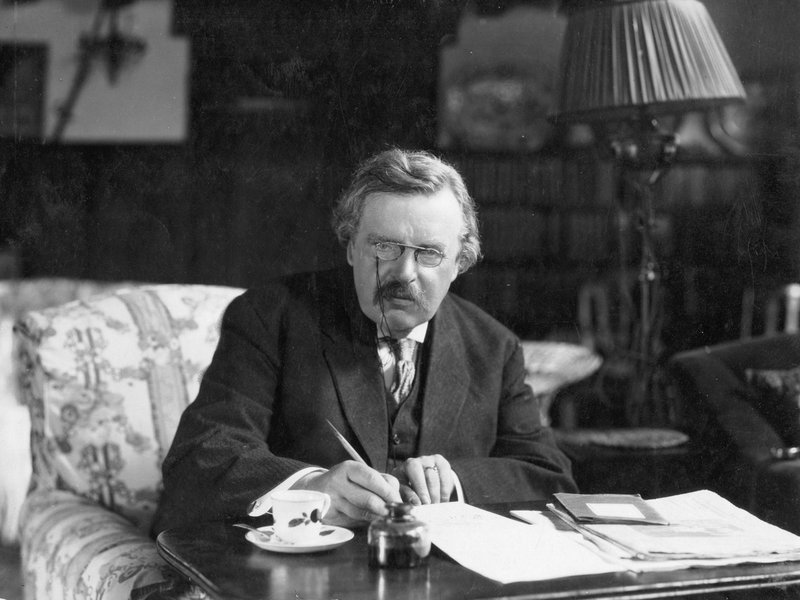
g-_k-_chesterton_at_work
Books

Interpreting "The Man Who Was Thursday"

I just finished re-reading G. K. Chesterton’s The Man Who Was Thursday . I have in the past had the temerity to say that I believe it to be the best novel of the 20th century. Be that as it may, I still maintain that it is at least one…

by Richard BledsoeJanuary 7, 2022
10779-istockgetty-images-plusredletterw
Hebrews

The Universality of Mary’s Wound

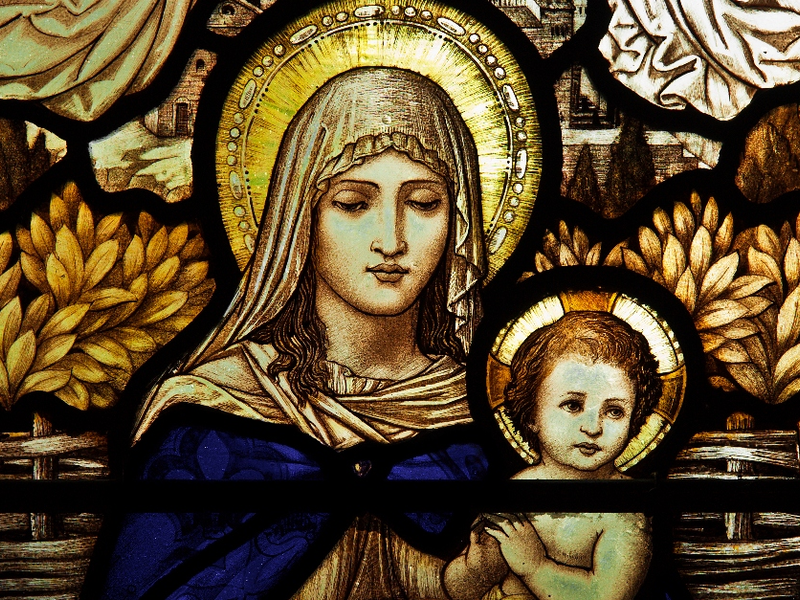
And Simeon blessed them and said to Mary his mother, “Behold, this child is set for the fall and rising of many in Israel, and for a sign that is spoken against and a sword will pierce through your own soul also, that thoughts out of many hearts may be…

by Garrett SoucyJanuary 4, 2022
heartierhymnals-stockimage
Music

An Argument for Heartier Hymnals

I was inspired to write this article after reading John Ahern’s The Case for Shorter Hymnals first published on Theopolis Institute’s website on November 16, 2021. Mr. Ahern and I are writing with different audiences and emphases in mind. I am thankful we both share a mutual desire to see…

by Jarrod RicheyDecember 30, 2021
tim-marshall-k2u71wv2ei4-unsplash-1
Biblical Studies

Image of God

If you’ve spent any time in the social-media galaxy of Christian cultural commentators, you have almost definitely run across the Latin phrase Imago Dei . It means image of God . Why they usually say it in Latin, I couldn’t tell you. We saw it in the wake of the…

by Daniel HoffmanDecember 28, 2021
annunciation
Advent

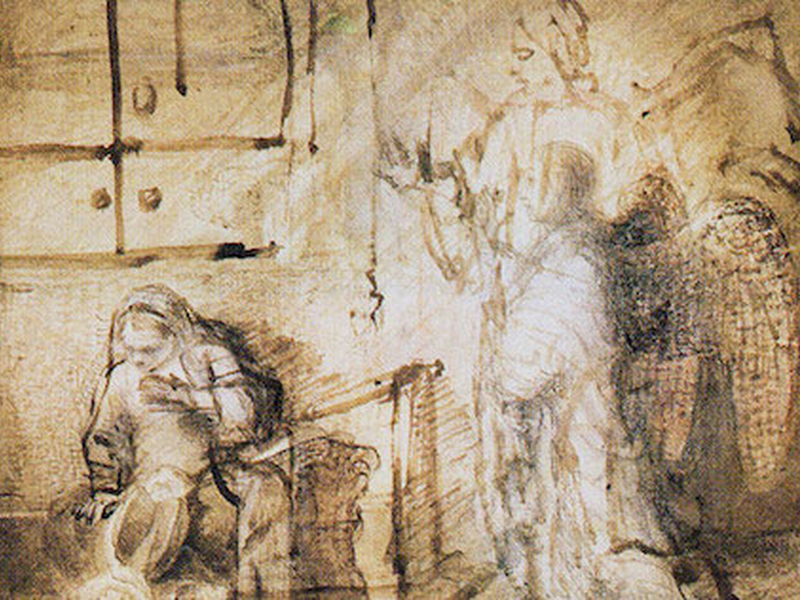
He Comes to Make His Blessings Known: "Son of David" and "Son of Abraham" in Matthew 1:1

The Gospel of Matthew—indeed, the New Testament—begins with a list of names, and that list of names is introduced by this heading: “The book of the generations of Jesus Christ, the son of David, the son of Abraham.” Why start like this? Why “the son of David” and “the son…

by Josh JensenDecember 23, 2021
49980-nicolas_poussin_-_the_judgment_of_solomon_-_wga18330-800w-tn
Biblical Studies

On Not Needing to Cut the Baby in Half

A blade is raised. A child wails. But the brow under the crown is untroubled. Solomon knows that the raising of the sword will reveal the true parent and the identity of the son. But how did he know this? Abraham’s willingness to sacrifice Isaac certainly bears some of the…

by Jonathan WhiteDecember 21, 2021

Showing page 48 of 309

See all

Showing page 7 of 43

See all

Hugeness

Jason Zengerle has an interesting piece in the TNR on evangelical conversions to Orthodoxy. At the end of the article, he quotes Jordan DeRenzo, who converted to Orthodoxy when her Baptist pastor, Wilbur Ellsworth, converted. She says: “Coming to the Orthodox Church means that I am in communion with that…

August 30, 2007
Theology

Faith and Reason

For centuries, Christians have posed the dilemma of Christian theology as a problem of faith v. reason. That’s a non-starter, a concession of defeat, for it assumes that there can be such a thing as a faith-free rationality. But there cannot be. What we have is not a conflict of…

August 30, 2007

Homoousios

We fondly look back at the Council of Nicea as a solution to the problem of Arianism, and see the homoousios as the key to this solution. Things are not nearly so tidy. Robert Letham neatly summarizes the problems associated with the term in his recent book on Orthodoxy: “As…

August 28, 2007

Liturgical footwear

Henry Chadwick notes, “Some Christians late in the fourth century, especially round Brescia, walked barefoot after the example of Moses at the burning bush or the prophet Isaiah who went barefoot for three years. Successive bishops deplored this, evidently in vain. Much ancient evidence records the axiom that for cultic…

August 28, 2007
History

Wordsworth and the Picturesque

According to a 1964 article in Modern Philology by John Nabholtz, Wordsworth intended his Guide to the Lakes (first published in 1810; fifth edition in 1835) as a corrective to picturesque writers like Gilpin. He intended his book to model how landscape writing should be done, and most critics have…

August 27, 2007
Literature

Pauline Wordsworth

In a 1993 article in the Review of English Studies , Colin Pedley points out the similarities between the cadences of this passage from “Tintern Abbey” and Paul’s triumphant conclusion to Romans 8: My dear, dear Sister! and this prayer I make, Knowing that Nature never did betray The heart…

August 27, 2007

Showing page 1639 of 2212

Browse by Category

In Medias Res

Your weekly digest for all things Theopolis.

Donate

Theopolis is nearly 100% donor-supported. Consider joining us on our mission.