Theopolis Logo

Writing

Explore our collection of theological essays, biblical studies, and reflections on faith and culture.

See all
trnava-university-beeyeib-am8-unsplash
Biblical Chronology

Meredith G. Kline Strikes Back, Part 2

In our first essay we looked at Kline’s flawed exegesis of Genesis 2:5 as it relates to Day 3 of creation. Now we turn to Kline’s new argument against a chronological reading of Genesis 1, as found, again, in "Space and Time in the Genesis Cosmogony," Perspectives on Science and…

by James B. JordanMarch 29, 1997
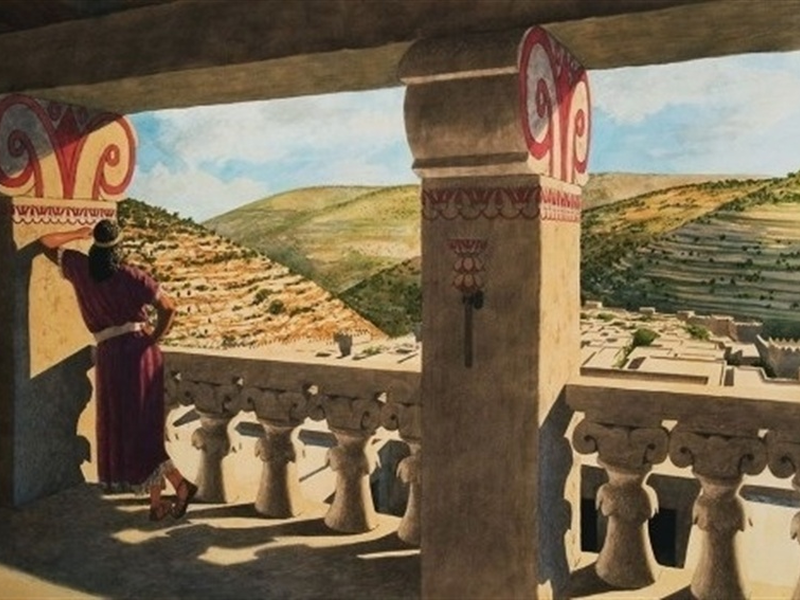
30211-bathsheba-800w-tn
Hermeneutics

Bathsheba: The Real Story

One of the advantages of paying very close attention to the details in the Bible, especially chronological and genealogical details, is that they can shed light on situations that don’t seem to make much sense apart from them. One such situation is that of Bathsheba. It appears that Bathsheba willingly…

by James B. JordanMarch 28, 1997
jonathan-cooper-ygxq7hfdjzq-unsplash
Church Calendar

Is the Church Year Biblical? | A Parking Lot Parable

Once upon a time, Jeff Meyers and Tony Rollins–old friends who had not seen each other for a few years–met in the parking lot of a neighborhood church. They were dropping off their pre-school children at the church for Mother’s Day Out. They were such conscientious and helpful fathers. As…

by Jeff MeyersMarch 20, 1997
annie-spratt-upxf6to3fea-unsplash
Daniel

The Allegory of Susanna

Years ago, when I was at the briefly-existing Geneva Divinity School, I taught a course in the Apocrypha. One thing that struck me at that time is that two of the stories are almost certainly religious allegories (as well as moral tales): Judith and Susanna. Since "Susanna" means "Lily," this…

by James B. JordanFebruary 28, 1997
serafima-lazarenko-_ivuwprfczi-unsplash
Biblical Horizons

A Blossom of Yahweh’s Field

Peter’s essay inspires me to write up some similar thoughts about the flower of the field. Rightly does Peter associate the almond with Yahweh’s garden, because the Garden of Eden is symbolically positioned as parallel to the Holy Place of the Tabernacle and Temple. To wit: Since Aaron’s rod blossomed…

by James B. JordanFebruary 28, 1997
trnava-university-beeyeib-am8-unsplash
Biblical Chronology

Meredith G. Kline Strikes Back, Part 1

We have had occasion to discuss the views of Meredith G. Kline previously in these newsletters, and now it is time to do so again. Kline teaches at Gordon-Conwell Theological Seminary and also at the Westminster Theological Seminaries (Philadelphia and San Diego). He is the author of some interesting insights…

by James B. JordanFebruary 28, 1997

Showing page 259 of 309

See all

Showing page 7 of 43

See all
History

Painting and landscape

Following the Treaty of Utrecht in 1713, young English noblemen began traveling the continent in what became known as the Grand Tour. Along the way, the came across Italian landscape painters, and went home dreaming of turning England into little Italy. Maggie Lane writes, “The desire was awakened to create…

August 17, 2007
History

Enclosure and landscape

Most of England’s enclosure acts were passed between 1760 and 1815, and the acts transformed the British landscape. Before enclosure, yeoman farmers lived in villages, and trudged each day to their scattered strips of land to work. Before enclosure, according to Maggie Lane, “one-third of the land enclosed in England…

August 17, 2007
Literature

Dickens, mythologist

Chesterton admits that Dickens’s characters neither affect nor are affected by time or circumstances. This is, he says, because Dickens was constructing myths rather than novels: “Dickens was a mythologist rather than a novelist; he was the last of the mythologists, and perhaps the greatest. He did not always manage…

August 17, 2007

Proverbs 19:5-9

PROVERBS 19:5, 9 In this, the Proverb reiterates the threats of the Torah, which warns against false witness and false oaths (Leviticus 19:12; Deuteronomy 17:6-7). These two verses are almost identical. Both begin with “A false witness will not go unpunished,” and in the second line both use the phrase…

August 17, 2007
History

From ascribed to attributed celebrity

Rojek again: He claims that the story of celebrity over the past two centuries has been a shift from ascribed (hereditary) to attributed celebrity. Though some achieved international fame in earlier times, “they were always under strong pressures to conform to the established procedures and conventions set by the Court.”…

August 17, 2007
History

Cool

In their book, Cool Rules , Dick Pountain and David Robins define cool as “a permanent state of private rebellion,” one which “conceals its rebellion behind an ironic impassivity.”

August 17, 2007

Showing page 1645 of 2212

Browse by Category

In Medias Res

Your weekly digest for all things Theopolis.

Donate

Theopolis is nearly 100% donor-supported. Consider joining us on our mission.