Theopolis Logo

Writing

Explore our collection of theological essays, biblical studies, and reflections on faith and culture.

See all
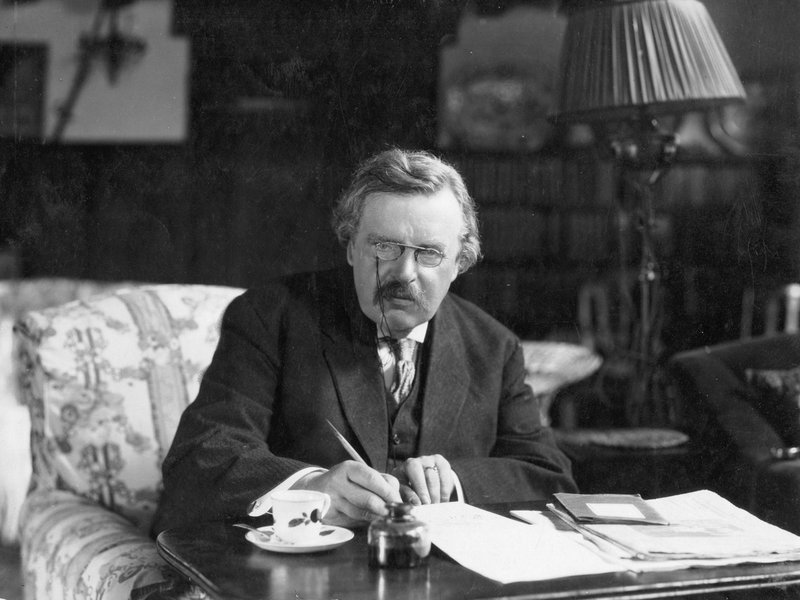
g-_k-_chesterton_at_work
Books

Interpreting "The Man Who Was Thursday"

I just finished re-reading G. K. Chesterton’s The Man Who Was Thursday . I have in the past had the temerity to say that I believe it to be the best novel of the 20th century. Be that as it may, I still maintain that it is at least one…

by Richard BledsoeJanuary 7, 2022
10779-istockgetty-images-plusredletterw
Hebrews

The Universality of Mary’s Wound

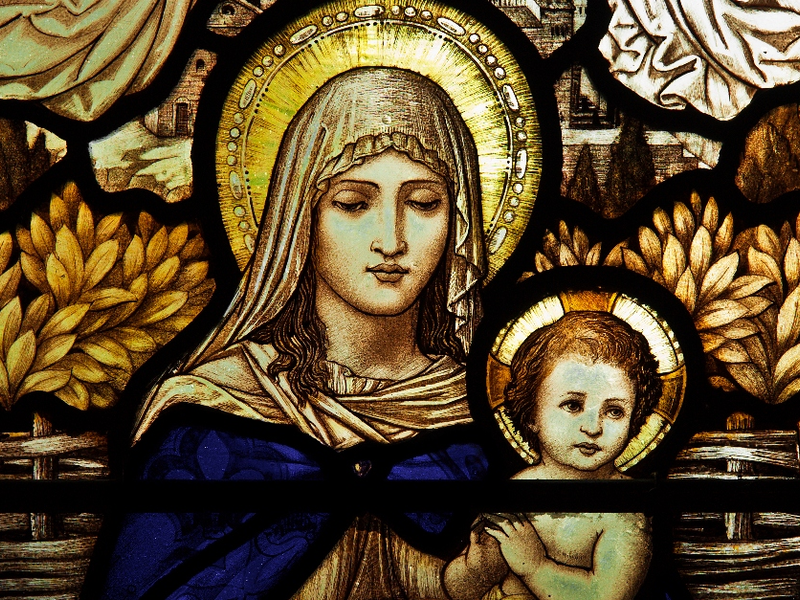
And Simeon blessed them and said to Mary his mother, “Behold, this child is set for the fall and rising of many in Israel, and for a sign that is spoken against and a sword will pierce through your own soul also, that thoughts out of many hearts may be…

by Garrett SoucyJanuary 4, 2022
heartierhymnals-stockimage
Music

An Argument for Heartier Hymnals

I was inspired to write this article after reading John Ahern’s The Case for Shorter Hymnals first published on Theopolis Institute’s website on November 16, 2021. Mr. Ahern and I are writing with different audiences and emphases in mind. I am thankful we both share a mutual desire to see…

by Jarrod RicheyDecember 30, 2021
tim-marshall-k2u71wv2ei4-unsplash-1
Biblical Studies

Image of God

If you’ve spent any time in the social-media galaxy of Christian cultural commentators, you have almost definitely run across the Latin phrase Imago Dei . It means image of God . Why they usually say it in Latin, I couldn’t tell you. We saw it in the wake of the…

by Daniel HoffmanDecember 28, 2021
annunciation
Advent

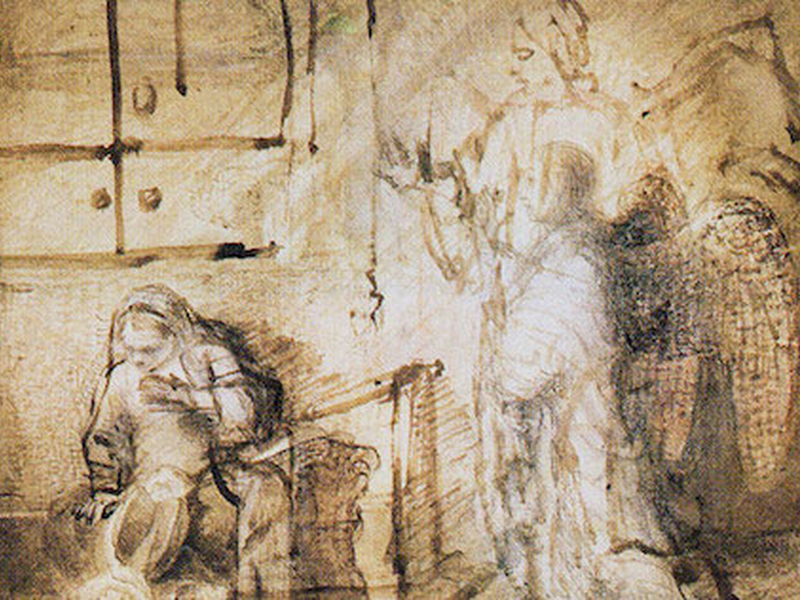
He Comes to Make His Blessings Known: "Son of David" and "Son of Abraham" in Matthew 1:1

The Gospel of Matthew—indeed, the New Testament—begins with a list of names, and that list of names is introduced by this heading: “The book of the generations of Jesus Christ, the son of David, the son of Abraham.” Why start like this? Why “the son of David” and “the son…

by Josh JensenDecember 23, 2021
49980-nicolas_poussin_-_the_judgment_of_solomon_-_wga18330-800w-tn
Biblical Studies

On Not Needing to Cut the Baby in Half

A blade is raised. A child wails. But the brow under the crown is untroubled. Solomon knows that the raising of the sword will reveal the true parent and the identity of the son. But how did he know this? Abraham’s willingness to sacrifice Isaac certainly bears some of the…

by Jonathan WhiteDecember 21, 2021

Showing page 48 of 309

See all

Showing page 7 of 43

See all

Bread of angels

Davies and Allison point out in their commentary on Matthew that Mark uses the verb DIAKONEIN in 1:13 to describe the angel’s ministry to Jesus after His temptation. The word connotes “table service,” and they suggest that Jesus, hungered by fasting, feeds on the bread of angels, as Israel had…

August 4, 2007

Led into temptation

Every week, we pray that our Father will not lead us into temptation, and that He will deliver us from evil. This is part of the prayer that Jesus taught us to pray, and the petition is reinforced by the promise of James: “Let no one say when he is…

August 4, 2007

Life of Testing

Jesus’ temptation is a preview of the entire gospel. Jesus, the Son of God, becomes flesh, and enters the wilderness of this world, the wilderness that Israel has become. He assumed all human frailties and undergoes all the tests that Israel and all humanity have endured. He is “tested” or…

August 4, 2007

Best Catholic Writing

Shameless plug follows. Jim Manney of Loyola Press was generous enough to ask permission to reprint my essay, “Why Protestants Can’t Write” to The Best Catholic Writing, 2007 . As if I didn’t have enough troubles. The volume includes essays by real Catholics like Pope Benedict XVI (more Catholic than…

August 3, 2007
Theology

Calvin and the Goodness of God

The popular picture of Calvin suggests that he was a theologian of truth, and that he subordinates God’s goodness and beauty fairly radically to His truthfulness. In his recent Notre Dame Press book on Calvin’s theology of Word and Image, Randall Zachman thinks otherwise: “I argue, on the contrary, that…

August 3, 2007
History

Two Hermeticisms

It is often thought that Hermeticism faded during the Christian Middle Ages, to be revived in the 15th century with Ficino’s translation of the Corpus Hermeticum . One of the central claims of Florian Ebeling’s The Secret History of Hermes Trismegistus (Cornell, 2007) is that this is misleading. There was…

August 2, 2007

Showing page 1652 of 2212

Browse by Category

In Medias Res

Your weekly digest for all things Theopolis.

Donate

Theopolis is nearly 100% donor-supported. Consider joining us on our mission.