Theopolis Logo

Writing

Explore our collection of theological essays, biblical studies, and reflections on faith and culture.

See all
e99a9541
Abortion

To Kill or Not to Kill

It seems to be old news, but I was unaware of it until recently. Australian academics argued that mothers should be allowed to terminate the life of a newborn child. [i] Why would they promote such an idea? Because before the child is born it is not always possible to…

by Ralph Allan SmithSeptember 12, 2019
pascal
Philosophy

Is the Betting Rigged in Pascal's Wager?

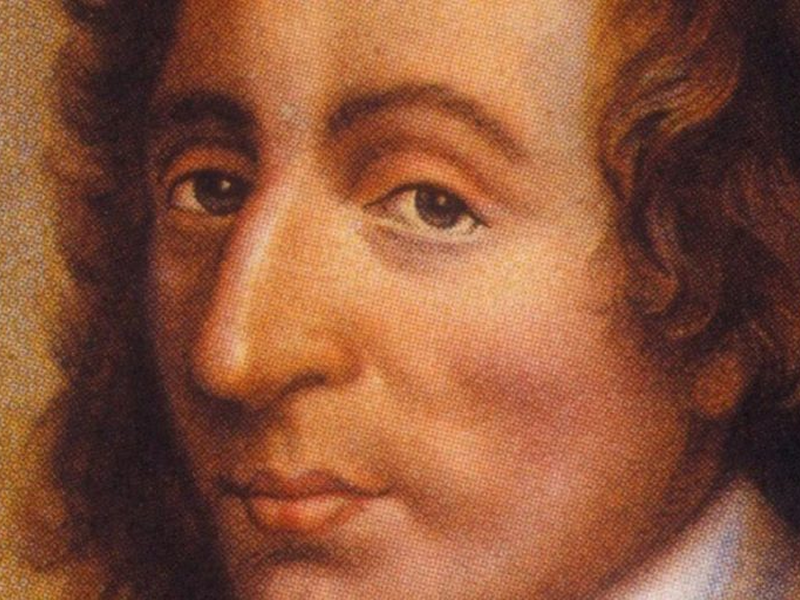
This is the second of two essays introducing Pascal’s Wager. Click HERE for Part 1. In “The Pop Star and the Mathematician” I gave an overview of the apologetic approach commonly called Pascal’s Wager. In that Wager, 17 th -century French mathematician Blaise Pascal argued that the choice between Christian…

by Alexander WhitakerSeptember 10, 2019
pascal
Philosophy

The Mathematician and the Pop Star: A Pascal's Wager Primer

This is the first of two essays aiming to introduce the reader to Pascal’s Wager. The second will address criticisms of the Wager. In the early 1990s, a perennially popular British pop star was interviewed on British television about his very public evangelical Christian faith. “What if,” the reporter asked…

by Alexander WhitakerSeptember 5, 2019
screen-shot-2019-09-03-at-7-00-44-am-2
Matthew

The Secret of the Middle of Matthew

Matthew 13 is about secrets. In this chapter, Jesus teaches eight parables and tells the disciples that they reveal the secrets of the kingdom (13:11). And much like Samson who both tells riddles and is himself a riddle that the reader must solve, so Jesus not only tells secrets but…

by John HigginsSeptember 3, 2019
david-with-goliaths-head-and-soldiers-crop
Biblical Theology

David, Goliath, and the Body of Moses, (Part 2)

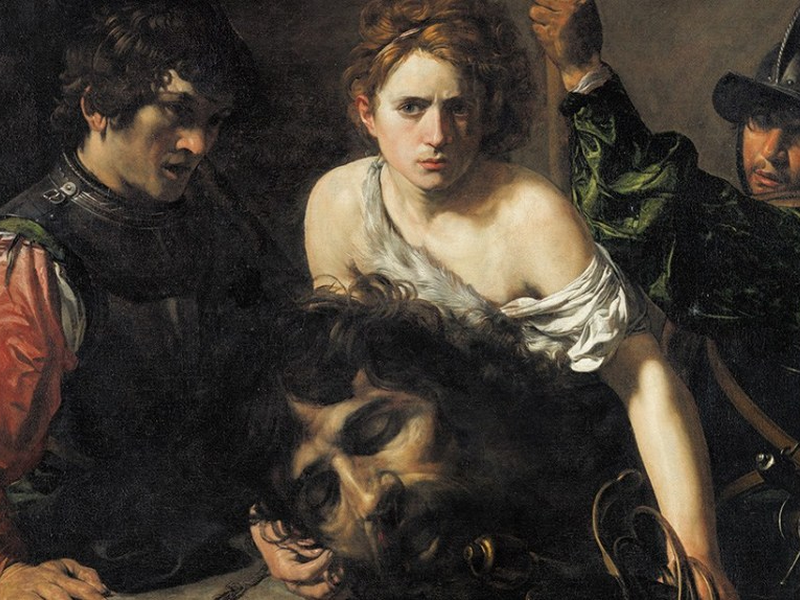
Click HERE for part One. THE TEXT AS TABERNACLE Creation – Initiation – Genesis (1 Samuel 17:1-11) The gathered armies not only remind the reader of Ebal and Gerizim, but also of the very reason that Israel was established (Creation) , set apart from the other nations by the circumcision…

by Mike BullAugust 29, 2019
job
Job

The Man in the Middle

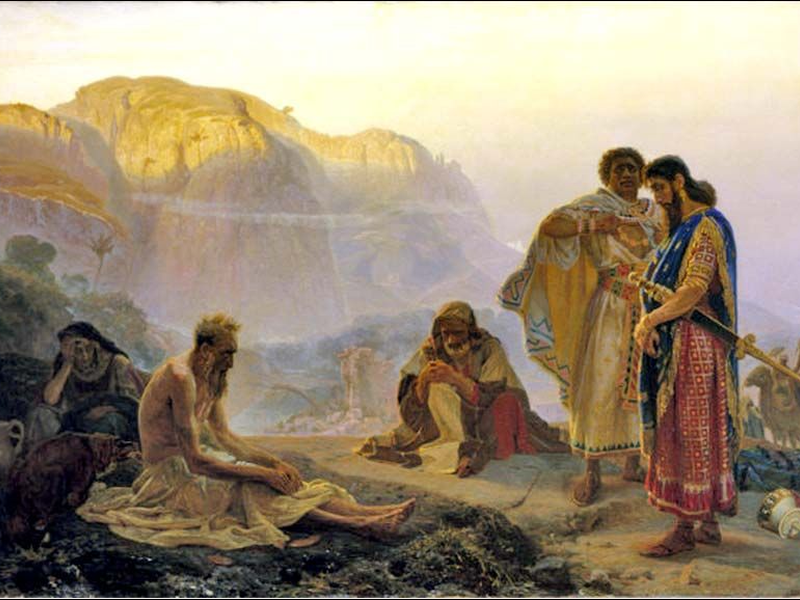
What to do with Job’s Final “Friend,” Elihu Elihu is a strange character, at least in the sense of how and where he appears in the book of Job. Why does he not appear with the other three “friends?” Does his argument differ from any of the first three who…

by Eric RobinsonAugust 27, 2019

Showing page 75 of 309

See all

Showing page 7 of 43

See all
Philosophy

Mirrors, ancient and modern

In her recent book The Mirror of the Self , Shadi Bartsch argues that ancient notions of introspection and self-examination do not employ the image of the mirror in the way we do in post-Cartesian philosophy. In the words of the TLS reviewer, for the ancients “the mirror was the…

June 27, 2007

Enjoyment in God

Wilken summarizes Augustine’s social vision of perfection this way: “This peace for which the city of God yearns is a ‘perfectly ordered and harmonious fellowship in the enjoyment of God,’ a peace of ‘enjoying one another in God.’ Notice that Augustine’s language is social, not individualistic. He does not say,…

June 26, 2007

Ecclesiology of perfection

When Plato thought about politics, he thought about an ideal city (at least in the Republic ). Not Augustine. Augustine recognized that Plato had portrayed “what kind of city ought there to be.” But Augustine was after something different. He presented an actual human society, a city of God in…

June 26, 2007
Theology

Empty minds

Aquinas wrote: “If the teacher determines the question by appeal to authorities only, the student will be convinced that the thing is so, but will have acquired no knowledge or understanding, and he will go away with an empty mind.”

June 26, 2007

Cyril and the Bible

In his wonderful book, The Spirit of Early Christian Thought , Robert Louis Wilken criticizes the Formula of Chalcedon as “formulaic and abstract,” which described Jesus as “one person,” but “seemed to divide Christ into a divine nature that, for example, healed the sick and raised the dead and a…

June 26, 2007
History

No heavenly good

Alcinous, a pagan philosopher of the second century AD claimed that God is “eternal, ineffable, self-sufficient, without need . . . and perfect in every respect.” The only way to know such a God was to ascend from earthly things to higher realities: “First one contemplates the beauty found in…

June 26, 2007

Showing page 1663 of 2212

Browse by Category

In Medias Res

Your weekly digest for all things Theopolis.

Donate

Theopolis is nearly 100% donor-supported. Consider joining us on our mission.