Theopolis Logo

Writing

Explore our collection of theological essays, biblical studies, and reflections on faith and culture.

See all
puritans
History

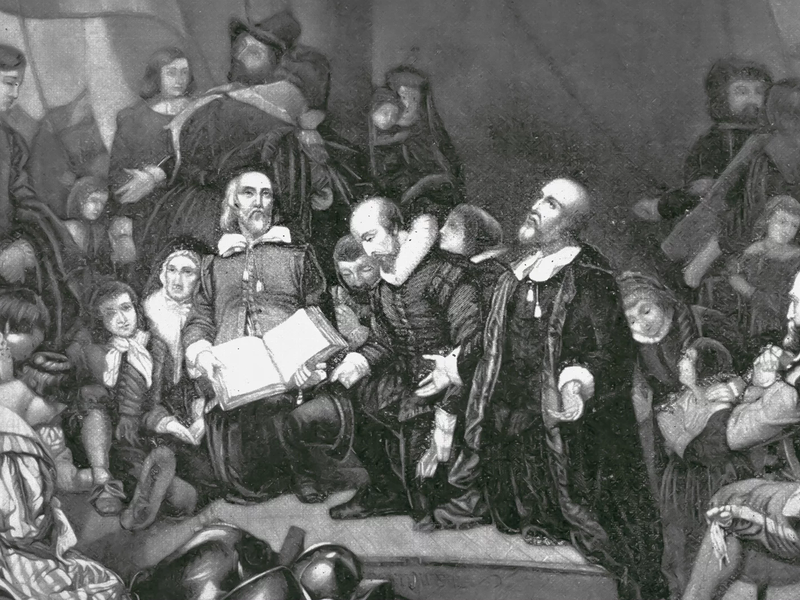
Congregational Theocracy: That Time Theocrats Ran Puritan New England

Timon Cline wrote recently that “theonomists” didn’t run Puritan New England. 1 He is correct, in his major thesis, that the claim that “Puritanism and the natural law tradition are antithetical” is “wildly ahistorical.” Mr. Cline demonstrates that Puritans repeatedly extolled natural law. Besides the Puritan sources Mr. Cline mustered,…

by John CarpenterAugust 9, 2022

screen-shot-2022-08-04-at-9-36-57-am
Mark

The Land of the Walking Trees

The Church is the land of the walking trees. In Mark’s Gospel, the identity of Jesus is slowly and progressively revealed. Though St. Mark announces at the beginning of his narrative that Jesus Christ is “the Son of God” (1:1), this is a reality that must be spoon-fed to His…

by Jackson ShepardAugust 4, 2022
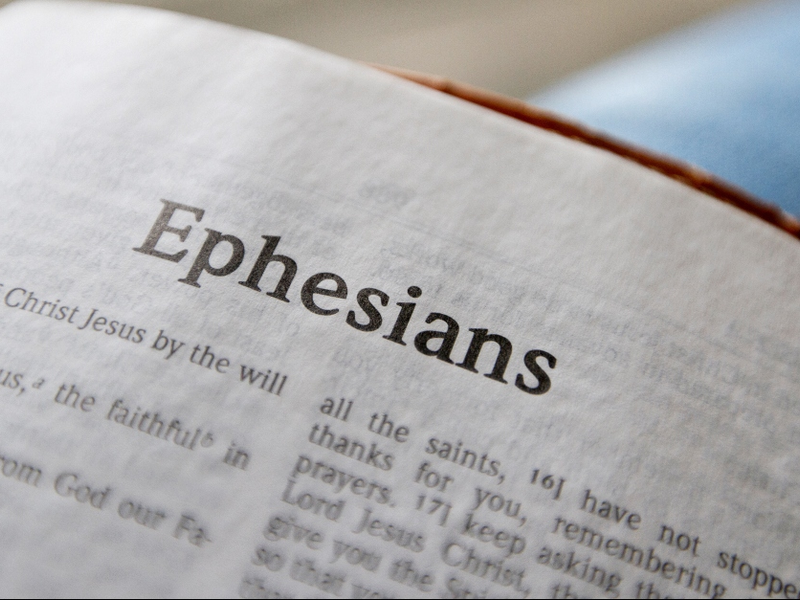
11982-sparrowstockephesians
Ephesians

The Significance of Ephesians (with a comparison to Romans)

All Scripture is of ultimate significance as the word of God, but it may be helpful to think about what makes a book (in this case, a letter) possibly unique within the canon. In this case, the “general” nature of Ephesians should stand out, but it often is not recognized…

by Mark HorneAugust 2, 2022
davide-ragusa-g32g_ibprfa-unsplash
Ecclesiastes

A Time to Kill (Ecclesiastes 3:3)

Where do we draw the lines between what is right and wrong? This question is fundamental to civilization, fundamental to a free society. To put this question in the bluntest and most offense terms: if there is a time to kill — which Solomon says there is — whom shall…

by Ralph Allan SmithJuly 28, 2022
screen-shot-2018-04-12-at-9-48-08-am
Biblical Horizons

Broadening Our View of the Trinity

This article was originally posted in May of 1994. We speak of God as Father, Son, and Holy Spirit. The early Church tended to speak of Him as Father, Word, and Spirit. In this short essay, I want to suggest some other ways to think of the Trinity, ways that…

by James B. JordanJuly 26, 2022
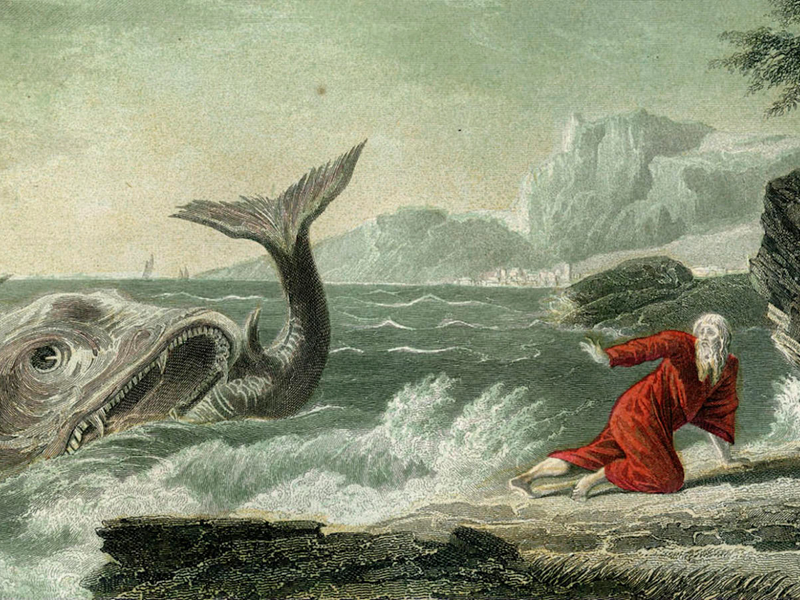
jonahwhale-1552x900
Jonah

Journeying Prophets in Kings

Jonah’s Home The story of JONAH belongs in the book of KINGS. JONAH balances the story of the unnamed Judean prophet (1K13) in KINGS’ literary structure. Each story describes a journeying prophet that crosses land or sea to confront a wayward king. The two stories are located during the reigns…

by Scott FairbanksJuly 21, 2022

Showing page 41 of 309

See all

Showing page 7 of 43

See all

Exegetical progress

If the fathers have already explained the Scriptures, Andrew of St. Victor asked, why do I need to? He answered that truth dwells “deep” and “screens herself from mortal sight.” There is always more truth to dig up because truth “hides, yet so as never wholly to be hidden. Careful…

April 4, 2007
Literature

Jane Austen, Economist

England’s economy in Austen’s time was still dominated by land ownership. Land was the most settled and permanent form of wealth, and writers like Coleridge and Burke asserted that landownership formed a “natural” governing class that had a physical stake in the nation. In 1710, Parliament enacted property qualifications for…

April 4, 2007
History

Equality and fashion

In 1767, one N. Foster wrote, “In England the several ranks of men slide into each other almost imperceptibly, and a spirit of equality runs through every part of their constitution. Hence arises a strong emulation in all the several stations and conditions to vie with each other; and the…

April 3, 2007
History

Consumer revolution

In the 1982 symposium, The Birh of a Consumer Society , Neil McKendrick identifies some of the chief features of the demand-side of the social and economic of the 18th century. What did it mean for England to become a “consumer society”? 1. More people than ever could acquire material…

April 3, 2007
History

Mimetic adverts

Samuel Johnson recognized the character of avertising quite early. he noted in 1761 that “advertisements are now so numerous that they are very negligently perused, and it is therefore become necessary to gain attention by magnificence of promises and by eloquence sometimes sublime and sometimes pathetic.” And he saw that…

April 3, 2007
History

Early advertising

Seen in the advertising section of many 18th-century English newspapers: “a fine young breast of milk willing to enter a gentleman’s household.” Presumably attached to a wet nurse. And an advertisement for a bed that “at the head . . . in the full centre front, appears sparkling with electrical…

April 3, 2007

Showing page 1697 of 2212

Browse by Category

In Medias Res

Your weekly digest for all things Theopolis.

Donate

Theopolis is nearly 100% donor-supported. Consider joining us on our mission.