Theopolis Logo

Writing

Explore our collection of theological essays, biblical studies, and reflections on faith and culture.

See all
screen-shot-2021-07-15-at-9-14-19-am
Biblical Studies

The Beatitudes and Woes

Mrs. Marguerite Lane of Grand Rapids writes to ask if I have ever noticed a correlation between the eight beatitudes of Matthew 5 and the eight woes of Matthew 23. I confess that I have not. A glance at various commentators reveals that such a correspondence does not seem to…

by James B. JordanMay 15, 1989
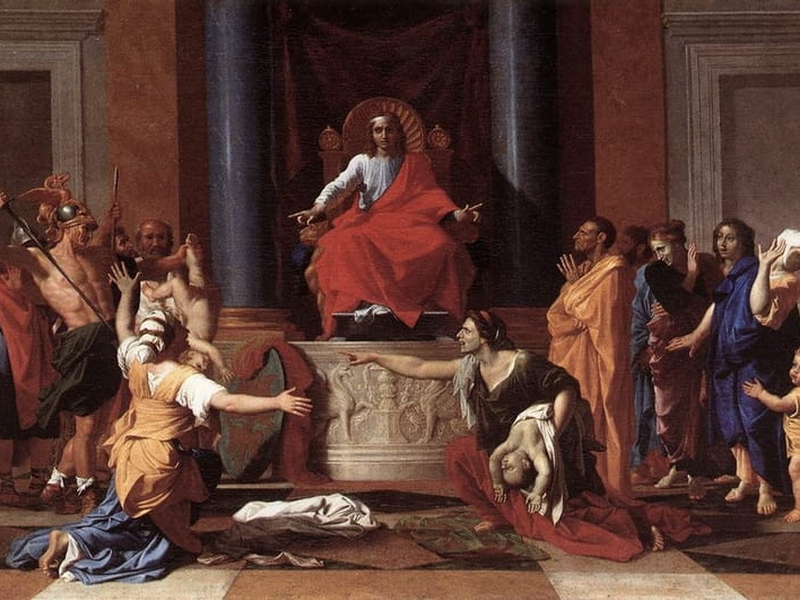
49980-nicolas_poussin_-_the_judgment_of_solomon_-_wga18330-800w-tn
Proverbs

Advice From a Sojourner, Part 1

1. The words of Agur, the son of Jakeh, the burden. The man declares to Ithiel, to Ithiel and Ucal: 2. Surely I am more stupid than any other man, And I do not have the understanding of a man. 3. And I have not learned wisdom, But I have…

by James B. JordanMay 15, 1989

hebrew-manuscript-6
Biblical Studies

The Problem of Psalm 137

Psalm 137 is widely regarded as one of the meanest of the imprecatory psalms. Certainly as we read it it is seems to be a song of pure vengeance. The exiles in Babylon, in grief over the judgment that Babylon has brought upon them, pray for the destruction of that…

by James B. JordanApril 15, 1989
timothy-eberly-djj49s6ud2o-unsplash
Biblical Studies

The Thigh of the Peace Offering

In the Levitical law, the priests received two particular portions of each peace offering: the "wave offering" of the breast and the "heave offering" (or better, "contribution") of the right thigh. The purpose of this essay is to attempt to determine the reason why the second of these, the thigh,…

by Peter LeithartApril 13, 1989
screen-shot-2022-01-07-at-6-38-22-pm
Biblical Studies

The Son of Joseph

The story of Jesus’ visit, early in His ministry, to the synagogue in His home town of Nazareth is recorded for us in Luke 4:16-30. You may remember that Jesus read from Isaiah about how the Messiah would preach the gospel, care for the poor, work miracles, and bring in…

by James B. JordanApril 12, 1989
e99a2225
Biblical Horizons

"Do This!"

(The essay that follows concerns a rather touchy subject: how the Lord’s Supper is to be done. I am not writing to insult or offend, but to challenge. To that end I have not "held back" but have "gone ahead" and said what I think needs to be said —…

by James B. JordanMarch 12, 1989
See all

Showing page 7 of 43

See all
Literature

Dickens and Modernity: Background

This is the opening portion of a lecture on Dickens’s Hard Times, but I want to examine Dickens not only as an artist but in relation to his fictional depiction of what we think of as “modernity.” Modernity is in part a set of ideas and aspirations, a set of…

January 16, 2007
Literature

Dickens and the French Revolution: Background

A Tale of Two Cities was published in 1859, the 70th anniversary of the beginning of the original revolution, usually dated to the fall of the Bastille on July 14, 1789. This stood to Dickens’s time approximately as WW II does for us. My parents, and your grandparents, remember WW…

January 15, 2007

Sermon Notes, Third Sunday After Epiphany

INTRODUCTION God is unseen, John says (v. 12). How then can the world know Him? John places the burden of showing God on us: The world knows the God who is love through the love we have for one another. THE TEXT “No one has seen God at any time.…

January 15, 2007

Eucharistic meditation, Second Sunday after Epiphany

1 John 4:9: By this the love of God is manifested in us, that God has sent His only begotten Son into the world so that we might live through Him. In this is love, not that we loved God, but that He loved us and sent His Son to…

January 14, 2007

Exhortation, Second Sunday After Epiphany

Love is blind, we like to say. John says the opposite. John teaches that we need to test and discern and judge the spirits and prophets. Discernment means keeping your eyes open. Discernment means not believing everything that you hear, not jumping on every bandwagon that passes through town, not…

January 14, 2007
History

Ex cathedra

When Frederick the Elector of Saxony protected Luther from church and imperial authorities, it was not as a personal friend but to protect the rights of the university faculty to exercise censorship in religious matters. The Reformation thus planted the seeds for the exaltation of the university Professor in German…

January 13, 2007

Showing page 1735 of 2212

Browse by Category

In Medias Res

Your weekly digest for all things Theopolis.

Donate

Theopolis is nearly 100% donor-supported. Consider joining us on our mission.