Theopolis Logo

Writing

Explore our collection of theological essays, biblical studies, and reflections on faith and culture.

See all
screen-shot-2020-07-28-at-7-12-05-am
Wisdom

iMago Moi

So God created man in His own image, in the image of God He created him; male and female He created them. Genesis 1:27 In an ever-increasing barrage of self-obsession and tailor-made realities, how does the Christian navigate the waters of being someone who experiences life in the first person…

by Garrett SoucySeptember 29, 2020

img_4726-copy
Economics

Theses on Church Music and Economics

American church music is in a slump. To get out of the slump, we need a 10-year plan, a 50-year plan, and a 100-year plan. Many are doing extraordinary work on reforming church music in the near-term, and a few in the mid-term. What is desperately needed is the 100-year…

by John AhernSeptember 22, 2020
lazarus-2-2
Parables

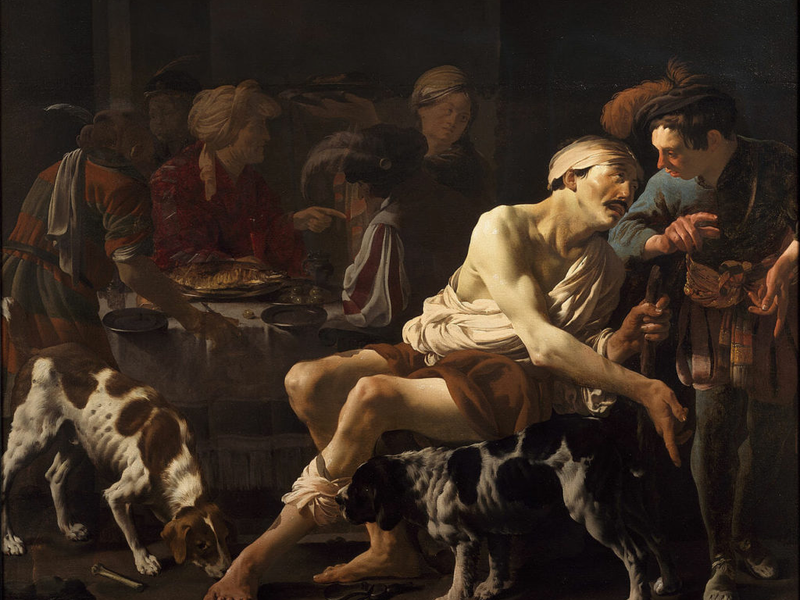
The Parable of Lazarus and the Rich Man

The following is an excerpt from The Maker Versus the Takers: What Jesus Really Said About Social Justice and Economics ¸ by Jerry Bowyer (New York, Fidelis Books, Post Hill Press, 2020), release date Sept. 15 th . The section below argues that the ‘Rich Man’ in the parable refers…

by Jerry BowyerSeptember 15, 2020
absaloms_death
Biblical Studies

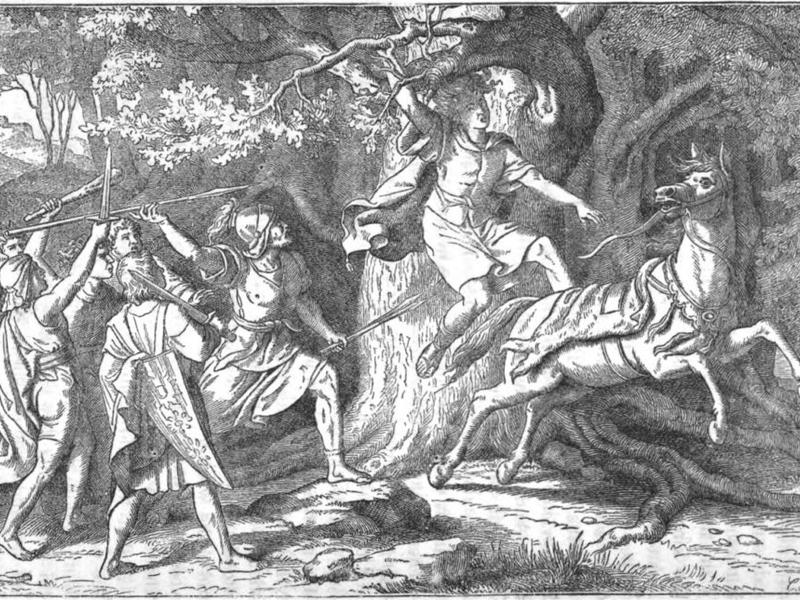
Death on a Tree: Absalom as Jesus-Type

Could Absalom be a Christ-type? If you know much about the Bible, you likely have an immediate aversion to even the possibility of answering this question in the affirmative. Absalom was third among David’s sons, while Amnon—his brother from another mother—was first (2 Sam. 3:2-3). As Absalom’s story begins, it…

by Eric RobinsonSeptember 8, 2020
giveusbarabbas
Biblical Studies

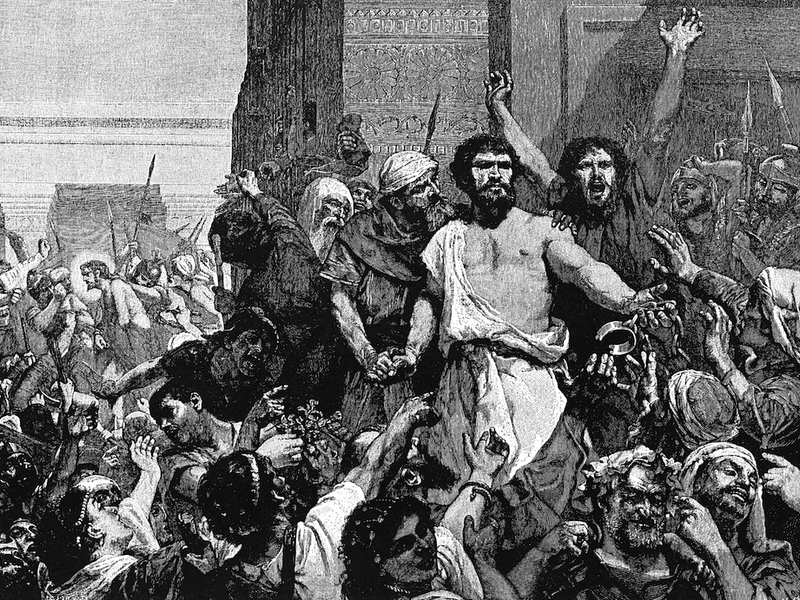
Barabbas

All four Gospels not only associate Barabbas and Jesus quite unabashedly, they do so emphatically and with a deep theological message. The scene is well-known. In His trial before Pontius Pilate, though Jesus had been declared innocent more than once, there seemed to be no hope of releasing Him. Pilate…

by Ralph Allan SmithSeptember 1, 2020
jim-jordan-teaching-2
Theopolis News

Announcement: The James B. Jordan Prize

The Theopolis Institute is pleased to announce the second round of the James B. Jordan Prize to honor outstanding doctoral dissertations in biblical theology. James Jordan is one of the most insightful biblical scholars of our time. The Jordan Prize exists to encourage more of the deep Scriptural investigation of…

by TheopolisAugust 31, 2020

Showing page 63 of 309

See all

Showing page 7 of 43

See all
History

Revolutionary timing

Are we living in a time of world-revolutionary change? Impossible to say, of course, but there might be some hints contained in the developments of the last millennium. Rosenstock-Huessy notes that Western man has been formed by periodic world-historical revolutions since the 11th century: Gregorian (11th), the Reformation (16th), Puritan…

December 29, 2006
History

One world

William Cavanaugh suggests that globalization represents a false catholicity, a unification of the human race organized around consumption and Hollywood blockbusters. That’s certainly one legitimate angle. On the other hand: The wealth of the wicked is stored up for the righteous, and Cain and Nimrod built cities long before David…

December 29, 2006
History

Fallen Soldiers

George L. Mosse’s Fallen Soldiers (Oxford 1990) is a fascinating study of the “Myth of War Experience” that developed between the French Revolution and came to a climax in World War I and its aftermath. Mosse develops a number of intertwined themes: the rise of volunteer armies after the French…

December 29, 2006

Childbirth

Rosenstock-Huessy notes the difference between animal birth and human childbirth, the main difference being that human parents remain with children after the birth: “marriage means to go from the blind act of the moment, through the whole life cycle to its most opposite point the childbirth,” and this shows “that…

December 29, 2006
History

Naming and nationalism

With nationalism at its height in the nineteenth century, the common practice of giving children biblical names was a check on nationalist idolatry, a reminder that the child was part of Christendom, not merely of France, Germany, England, etc. Rosenstock-Huessy puts the point dramatically: “When biblical names disappeared in Europe…

December 29, 2006
Science

Scientific law

In their Science & Grace (Crossway 2006), Tim Morris and Don Petcher helpfully define a law of nature as “God’s sustaining of, or man’s description of, that pattern of regularity that we observe in nature as God works out His purposes towards His own ends in HIs covenant faithfulness, through…

December 28, 2006

Showing page 1746 of 2212

Browse by Category

In Medias Res

Your weekly digest for all things Theopolis.

Donate

Theopolis is nearly 100% donor-supported. Consider joining us on our mission.