Theopolis Logo

Writing

Explore our collection of theological essays, biblical studies, and reflections on faith and culture.

See all
ascension-rembrandt
Ascension

On the Ascension of the Lord

Leo the Great's second sermon on the Ascension, Sermon 74 . I. The mystery of our salvation, dearly-beloved, which the Creator of the universe valued at the price of His blood, has now been carried out under conditions of humiliation from the day of His bodily birth to the end…

by TheopolisMay 25, 2017
cross-grunwald
Ecclesiology

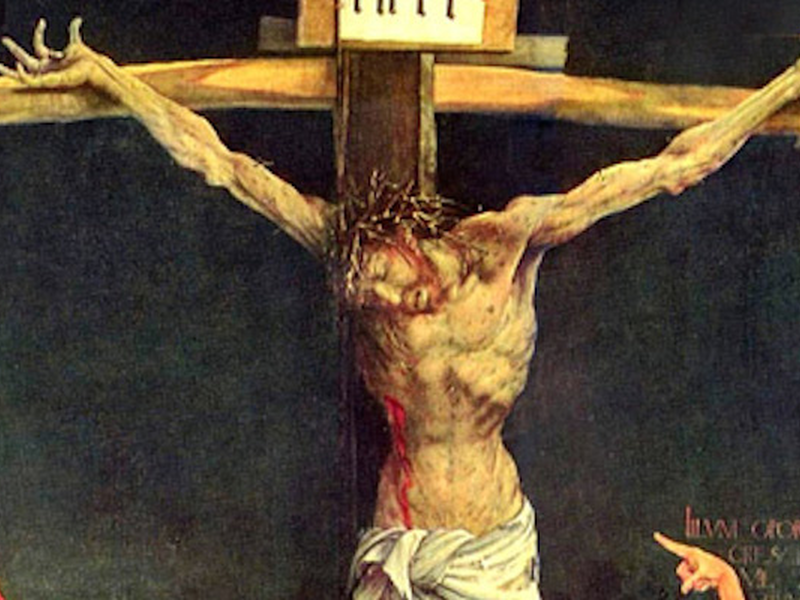
Church on the Cross

Life, Eugen Rosenstock-Huessy says, is suffering, battle, pain, shock, failure, elation. Human beings are always torn, always riven. Much of human life, individually and col­lectively, is an effort to deal with suffering and death. By being the first Man, Jesus establishes the possibility of a different stance toward suffering and…

by Peter LeithartMay 23, 2017
e99a2313
Baptism

Baptism Impasse: Baptists vs. Presbyterians (Part 1)

Is Christian baptism given to believers only or to believers and their children? That’s the question that must be answered—but only if you’re Baptist or Presbyterian. That’s how the question is framed between these two denominations in this dispute, and it’s along these lines the debate unfolds as each side…

by Mani MarprelateMay 18, 2017
screen-shot-2017-05-01-at-1-09-10-pm
Political Theology

Philanthropic God

Again and again the liturgy of St Chrysostom calls God a lover of mankind. He is Philanthropolos Theos (man-loving God), Kurios Philanthropolos (man-loving Lord), Philopsychos (lover of the soul). Philanthropy wasn’t a Christian invention. Roman benefactors gave benefits to subordinates. What was new was the shape of philanthropy, for the…

by Peter LeithartMay 16, 2017
katharina_von_bora_900x600_213
Marriage

Marriage and Betrayal

Perhaps the most fearful of all possibilities in the world is the possibility of betrayal on the part of someone who is in a “position of trust.” This, unfortunately, is the first block in what ought to be the foundation of every marriage in the world. Every woman has a…

by Richard BledsoeMay 11, 2017
kevin-young-icmodywxuq-unsplash
City

Church in the Metropolis

It seems that denominationalism has had its day. A 2009 Barna survey found that denominational commitments have gone squishy in mainline Protestant churches, and Evangelicals don’t fare much better than the rest. After a similar survey, Ron Sellers of Ellison Research said that Protestants are as “loyal to their denominations…

by Peter LeithartMay 9, 2017

Showing page 112 of 309

See all

Showing page 7 of 43

See all
Literature

The Politics of Playing

Plays might be promoted as a kind of opiate of the masses: Mass entertainment that keeps them from more violent entertainments like rioting and pillaging. This could be problematic, if the entertainments were too heady for most people to follow. Thomas Heywood (1612) suggested that playwrights should “ayme . .…

September 28, 2006
Literature

Shakespeare regulated

How regulated was Shakespeare’s own theater? And for what reasons? Patterson highlights various reasons for closing or permitting theaters: audience composition, including the fear that a large collection of workers might be distruptive; public health; economic concerns; religious and moral concerns, especially Sabbatarian; and “a shifting and elusive imperative to…

September 28, 2006
Literature

American Shakespeare

Shakespeare’s fortunes in the US were, understandably, different from in England. Initially, Shakespeare was America’s most popular playwright, appealing to a wide sector of the American populace. Patterson notes that “by the end of the nineteenth century ‘Shakespeare’ had become a cultural icon, the property only of the ‘legitimate theater,’…

September 28, 2006
Literature

Popular Shakespeare

Annabel Patterson notes ( Shakespeare and the Popular Voice ) that contemporary critics, whatever their own political outlook, assume that Shakespeare was an advocate of Elizabethan hierarchy. This view, however, is a product of the 19th century. Dryden, Johnson, and others criticize Shakespeare for violating the conventions of his genre,…

September 28, 2006
Literature

Courtly Shakespeare, IV

By the 18th century, acting styles also invested Shakespeare with “courtly” virtues of control, dignity, stateliness. Dobson writes, “Shakespearian acting . . . in the decades following Betterton’s death in 1710, seems to have settled into a grandiloquent vein of static declamation, best exemplified by the stout James Quin (1693-1766)…

September 28, 2006
Literature

Courtly Shakespeare, III

Dobson again: “after Charles II’s death in 1685 England would never again have another monarch with such an informed interest in the drama (or, mercifully, such a lascivious one), and deprived of royal patronage and protection the playhouses came under renewed attack from the moralists (led by the redoubtable clergyman…

September 28, 2006

Showing page 1785 of 2212

Browse by Category

In Medias Res

Your weekly digest for all things Theopolis.

Donate

Theopolis is nearly 100% donor-supported. Consider joining us on our mission.