Theopolis Logo

Writing

Explore our collection of theological essays, biblical studies, and reflections on faith and culture.

See all
baptism
Baptism

And He Gave Some To Be Parents

Standing in the narthex at the font, parents joyfully approach with their newborn child. The pastor asks the parents a series of questions that may include their renunciation of the devil and all his works, their faith in God the Father, Son, and Spirit as explained in the Apostles’ Creed,…

by Bill SmithFebruary 17, 2015
christ-presentation-in-temple
Luke

Anna of Asher

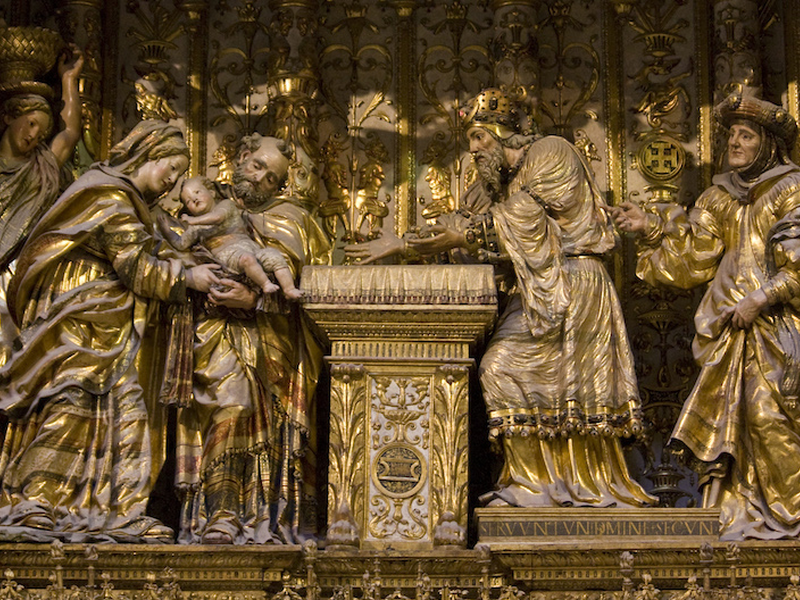
And there was a prophetess, Anna, the daughter of Phanuel, of the tribe of Asher. She was advanced in years, having lived with her husband seven years from when she was a virgin, and then as a widow until she was eighty-four. She did not depart from the temple, with…

by Dave ShawFebruary 12, 2015
emmanuel-phaeton-1bwmfmvybi8-unsplash
Psalms

Psalm 30

Get the Psalm 30 Translation here Psalm 30 is a song for the dedication of "the house." Since it is by David, the house would seem to be his palace in Jerusalem. The psalm has an ABA structure, with the B structure being an exhortation to the saints, and the…

by James B. JordanFebruary 11, 2015
boat-rough-water
Same-Sex Marriage

Love Makes the World Go Round

I once asked a ferryboat captain if steering a ferry was any different than driving, say, a big semi truck. He looked at me like I had just asked whether a bowling ball fell when you dropped it. “It’s completely different,” he said. “On the river, you never stay pointing…

by Christian LeithartFebruary 10, 2015
romeo-juliet
Literature

Where A Man Belongs: Courtship Advice from Shakespeare

The key scene in Shakespeare's Much Ado About Nothing comes just after the first wedding scene when Claudio tosses Hero aside as a "rotten orange." He has been tricked into thinking that Hero is unfaithful, and that is an affront to his honor. He won't put her away quietly. He…

by Peter LeithartFebruary 7, 2015
cloister
History

What You Learned About the Middle Ages Was Wrong

Medieval Christianity is in the news. That’s exciting for me as I have a PhD in medieval theology and I teach Ancient and Medieval Church History at Covenant Seminary. Thus I have a little “skin in the game,” as the saying goes. Earlier this week our President made some comments…

by Timothy LeCroyFebruary 6, 2015

Showing page 160 of 309

See all

Showing page 7 of 43

See all
Literature

The Politics of Playing

Plays might be promoted as a kind of opiate of the masses: Mass entertainment that keeps them from more violent entertainments like rioting and pillaging. This could be problematic, if the entertainments were too heady for most people to follow. Thomas Heywood (1612) suggested that playwrights should “ayme . .…

September 28, 2006
Literature

Shakespeare regulated

How regulated was Shakespeare’s own theater? And for what reasons? Patterson highlights various reasons for closing or permitting theaters: audience composition, including the fear that a large collection of workers might be distruptive; public health; economic concerns; religious and moral concerns, especially Sabbatarian; and “a shifting and elusive imperative to…

September 28, 2006
Literature

American Shakespeare

Shakespeare’s fortunes in the US were, understandably, different from in England. Initially, Shakespeare was America’s most popular playwright, appealing to a wide sector of the American populace. Patterson notes that “by the end of the nineteenth century ‘Shakespeare’ had become a cultural icon, the property only of the ‘legitimate theater,’…

September 28, 2006
Literature

Popular Shakespeare

Annabel Patterson notes ( Shakespeare and the Popular Voice ) that contemporary critics, whatever their own political outlook, assume that Shakespeare was an advocate of Elizabethan hierarchy. This view, however, is a product of the 19th century. Dryden, Johnson, and others criticize Shakespeare for violating the conventions of his genre,…

September 28, 2006
Literature

Courtly Shakespeare, IV

By the 18th century, acting styles also invested Shakespeare with “courtly” virtues of control, dignity, stateliness. Dobson writes, “Shakespearian acting . . . in the decades following Betterton’s death in 1710, seems to have settled into a grandiloquent vein of static declamation, best exemplified by the stout James Quin (1693-1766)…

September 28, 2006
Literature

Courtly Shakespeare, III

Dobson again: “after Charles II’s death in 1685 England would never again have another monarch with such an informed interest in the drama (or, mercifully, such a lascivious one), and deprived of royal patronage and protection the playhouses came under renewed attack from the moralists (led by the redoubtable clergyman…

September 28, 2006

Showing page 1785 of 2212

Browse by Category

In Medias Res

Your weekly digest for all things Theopolis.

Donate

Theopolis is nearly 100% donor-supported. Consider joining us on our mission.