Theopolis Logo

Writing

Explore our collection of theological essays, biblical studies, and reflections on faith and culture.

See all
foster-child
Adoption

Sometimes a Platitude is a Precious Gift

Platitudes are often sayings whose truthfulness is so apparent, so accepted, and so repeated that they are divested of their power and in fact become the object of ridicule. Their failure lies in their fame, and the contempt they invite is bred by their familiarity. To say that children are…

by Bill DeJongJanuary 15, 2015

nevin_2015_square
Uncategorized

Second Annual Nevin Lectures

by TheopolisJanuary 13, 2015
emmanuel-phaeton-1bwmfmvybi8-unsplash
Psalms

Psalm 29

Click here to download the Translation Here we have the seven-fold Voice of Yahweh, bracketed by two sets of four lines about Yahweh. The central seven-fold Voice section uses "Yahweh" ten times, for a total in this psalm of eighteen usages of "Yahweh" (3 x 3 x 2). The psalm,…

by James B. JordanJanuary 13, 2015
tree-2
Creation

A Sabbath Conversation

As Adam and Eve walked to the Garden of Eden to meet with Yahweh on their first Sabbath they conversed about the origin and age of the earth. Adam: You know, honey, we spent a lot of time yesterday making preparations for this house, and we still have an awful…

by Jeff MeyersJanuary 13, 2015
mountain-top
Covenant

The Highest of the Mountains

Knowing His paths through Moses and David, in the darkness of the prophets we yet walk in His light. It shall come to pass in the latter days that the mountain of the house of the Lord shall be established as the highest of the mountains, and shall be lifted…

by Mike BullJanuary 8, 2015
bennet-sisters
Charity

Candor

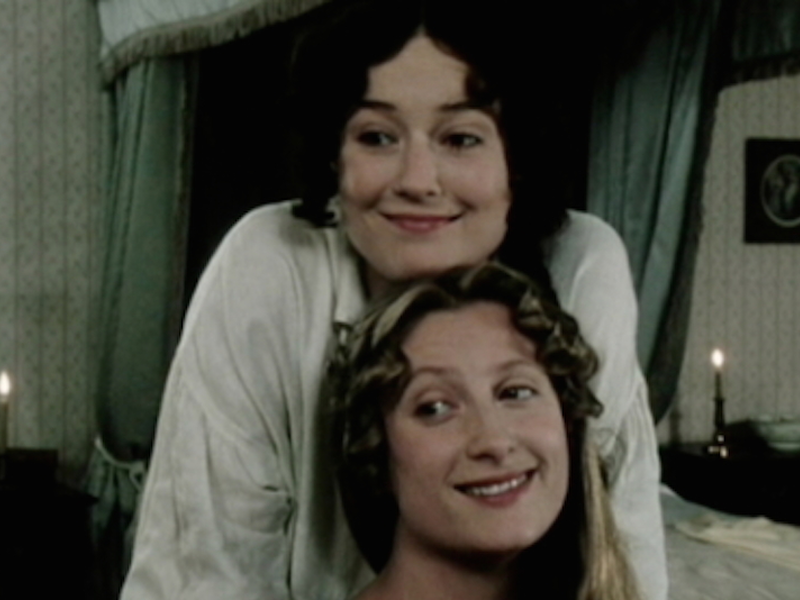
These days, to be “candid” is to be frank, honest, genuine. But the word didn’t always mean that. It used to be the name for a virtue that we don’t really have a name for anymore. Its obsolete meaning is “kindliness”: a disposition to think well of others, a tendency…

by Leta SundetJanuary 7, 2015

Showing page 162 of 309

See all

Showing page 7 of 43

See all
Literature

The Politics of Playing

Plays might be promoted as a kind of opiate of the masses: Mass entertainment that keeps them from more violent entertainments like rioting and pillaging. This could be problematic, if the entertainments were too heady for most people to follow. Thomas Heywood (1612) suggested that playwrights should “ayme . .…

September 28, 2006
Literature

Shakespeare regulated

How regulated was Shakespeare’s own theater? And for what reasons? Patterson highlights various reasons for closing or permitting theaters: audience composition, including the fear that a large collection of workers might be distruptive; public health; economic concerns; religious and moral concerns, especially Sabbatarian; and “a shifting and elusive imperative to…

September 28, 2006
Literature

American Shakespeare

Shakespeare’s fortunes in the US were, understandably, different from in England. Initially, Shakespeare was America’s most popular playwright, appealing to a wide sector of the American populace. Patterson notes that “by the end of the nineteenth century ‘Shakespeare’ had become a cultural icon, the property only of the ‘legitimate theater,’…

September 28, 2006
Literature

Popular Shakespeare

Annabel Patterson notes ( Shakespeare and the Popular Voice ) that contemporary critics, whatever their own political outlook, assume that Shakespeare was an advocate of Elizabethan hierarchy. This view, however, is a product of the 19th century. Dryden, Johnson, and others criticize Shakespeare for violating the conventions of his genre,…

September 28, 2006
Literature

Courtly Shakespeare, IV

By the 18th century, acting styles also invested Shakespeare with “courtly” virtues of control, dignity, stateliness. Dobson writes, “Shakespearian acting . . . in the decades following Betterton’s death in 1710, seems to have settled into a grandiloquent vein of static declamation, best exemplified by the stout James Quin (1693-1766)…

September 28, 2006
Literature

Courtly Shakespeare, III

Dobson again: “after Charles II’s death in 1685 England would never again have another monarch with such an informed interest in the drama (or, mercifully, such a lascivious one), and deprived of royal patronage and protection the playhouses came under renewed attack from the moralists (led by the redoubtable clergyman…

September 28, 2006

Showing page 1785 of 2212

Browse by Category

In Medias Res

Your weekly digest for all things Theopolis.

Donate

Theopolis is nearly 100% donor-supported. Consider joining us on our mission.