Theopolis Logo

Writing

Explore our collection of theological essays, biblical studies, and reflections on faith and culture.

See all
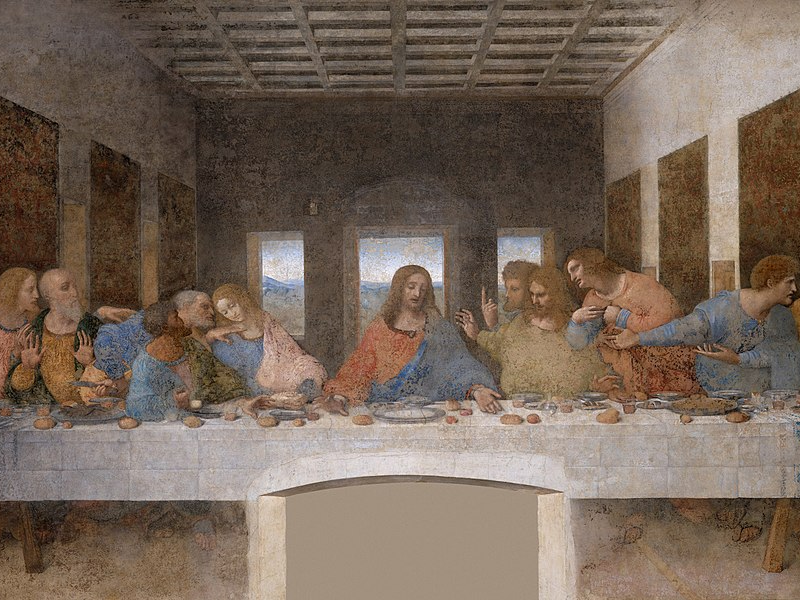
the_last_supper_-_leonardo_da_vinci_-_high_resolution_32x16-2
Biblical Theology

Meal Prep

I revisited Athanasius’s On the Incarnation in light of Advent this year. A particular passage struck me with a question that I hadn’t considered before. When addressing Adam’s fall, Athanasius says this: “If then there were only the offense and not the consequence of corruption, repentance would have been fine.…

by Matthew CoreyJanuary 3, 2023

jonathan-kemper-4_zvmlaeizk-unsplash
1 Corinthians

Themes of Rule in Corinth

There is much wisdom for kings in the first letter of Paul to the Church in Corinth. As I am preaching through this letter, this is one of the major themes that stands out. That is the theme of the reign of the Christian as we live in union with…

by Nathan ZekveldDecember 29, 2022
dominik-vanyi-unhwb06clfc-unsplash
Hinduism

Hinduism Is Demonic

1 The title should not be a surprise to anyone who believes the Bible to be true. According to the Bible, any and every faith and religion that does not conform to the Gospel of Christ are not only false, but ultimately inspired by false spirits. Though Jeffrey Niehaus is…

by Ralph Allan SmithDecember 27, 2022
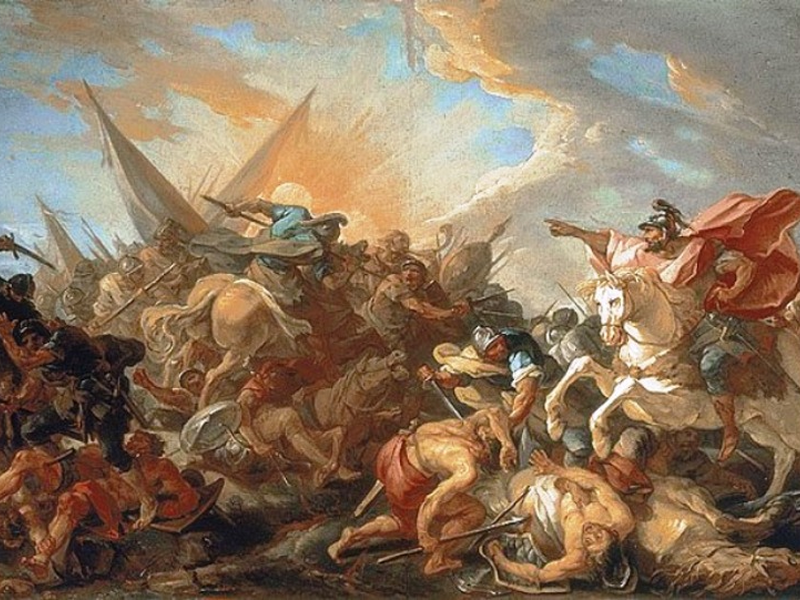
joshuah_ordering_the_sun_to_stand_still-_ca_1743-1744-_joseph_marie_vien
Advent

You Shall Call His Name Joshua

Names are weighty things, a fact repeatedly evidenced in the biblical narrative. There are several occasions when the names mothers or fathers chose for their children, and the reasons for which the names were chosen, are given extended attention in the text. Much of Genesis 29 and 30, for instance,…

by Alastair RobertsDecember 25, 2022
laura-nyhuis-vg_b61t8efs-unsplash
Advent

Christmas Sunday

Growing up, I was crestfallen about any Christmas that fell on Sunday. Christmas on Sunday meant going to church when I’d rather lollygag around the Christmas tree in my pajamas, playing with new toys. Christmas on Sunday was a drag. If I still felt that way, I know what I’d…

by Paul BuckleyDecember 23, 2022
stephen-radford-86qxyjwq8lu-unsplash
1 Timothy

Suffer Reproach

Growing up in the church in Southern America, there was an oft-used category for leaders in the church. It was a category which was used to justify a variety of rules and restrictions on church leaders. Leaders were to be “above reproach” and that meant not drinking in public or…

by Chase DavisDecember 22, 2022

Showing page 36 of 309

See all

Showing page 7 of 43

See all

Objective/Subjective

McGrath notes that Augustine interpreted the genitive in the phrase “righteousness of God” in Rom 1 objectively, so that it was understood as the righteousness that God gives in saving sinners (in “making” them righteous). Ambrosiaster, as I pointed out in an earliet post, interpreted the genitive subjectively - the…

April 20, 2006

Old Perspective on Paul

Ambrosiaster writes, “Iustitia est Dei, quia quod promisit dedit, ideo credens hoc esse se consecutum quod promiserat Deus per prophetas suos, iustum Deum probat et testis est iustitiae eius” (PL, 17.56b). McGrath explains: “God, having promised to give salvation, subsequently gives it, and as a result is deemed to be…

April 20, 2006
History

Unfinished Reformation

Nevin wrote: “There is more a great deal in Christianity, I firmly believe, more in the idea of hte Holy Catholic Church, than has yet been attained, either in the way of knowledge or in the way of life, by the Protestant Reformation.”

April 20, 2006

Factitive Justification

There was a consensus among the theologians of Trent, McGrath argues, that justification was “factitive,” a view that excluded that “a sinner may be justified solely as a matter of reputation or imputation, while remaining a sinner in fact.” But of course that raises the question, What exactly is a…

April 20, 2006

True Lutherans

McGrath traces the odd development in Lutheran Orthodoxy of the notion that regeneration and faith precede justification in such a way that “where Luther had understood justification to concern the unbelieving sinner, orthodoxy revised this view, referring justification to the believing sinner.” This takes Lutheran Orthodoxy back in the direction…

April 20, 2006

Ontological change

McGrath notes, “While justification was universally understood to involve the regeneration of humanity, the opinion that an ontological change is thereby effected within humans is particularly associated with the period of High Scholasticism and the development of the concept of created grace. The earlier medieval theologians expressed the change effected…

April 20, 2006

Showing page 1854 of 2212

Browse by Category

In Medias Res

Your weekly digest for all things Theopolis.

Donate

Theopolis is nearly 100% donor-supported. Consider joining us on our mission.