Theopolis Logo

Writing

Explore our collection of theological essays, biblical studies, and reflections on faith and culture.

See all
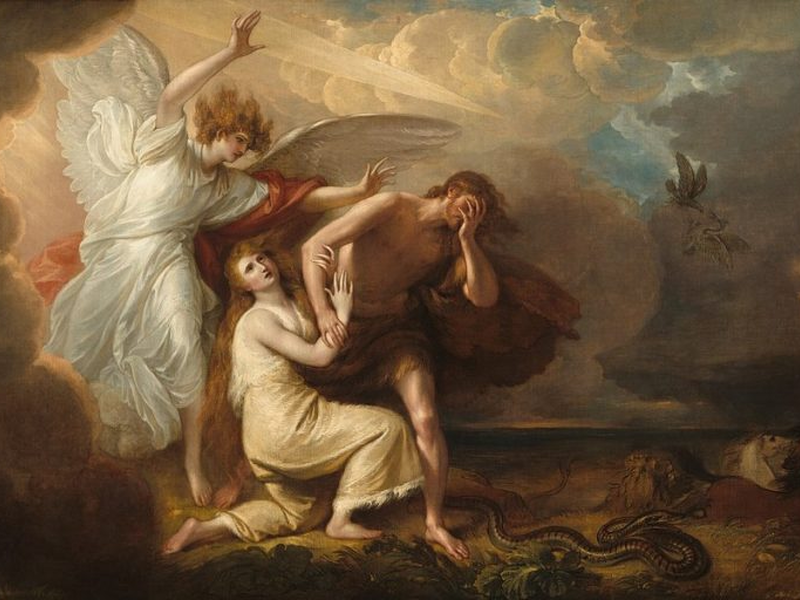
adam-and-eve-garden-768x512
Biblical Horizons

The Dominion Trap

In Genesis One, God told Adam and Eve to "be fruitful and multiply, and fill the earth, and subdue it; and rule over the fish of the sea and over the birds of the heavens, and over every living thing that moves on the earth" (Gen. 1:28). In Christian worldview…

by James B. JordanJuly 2, 1990

ivan-aleksic-16yxcjsoaek-unsplash
Biblical Studies

Building the Church

"And I also way to you that you are Peter, and upon this rock I will build My church; and the gates of Hades shall not overpower it" (Matthew 16:18). Matthew 16:13ff. has historically been one of the most oft-cited passages of Scripture. Throughout the Middle Ages, it was used…

by Peter LeithartJune 19, 1990
timothy-eberly-djj49s6ud2o-unsplash
Matthew

Ephraim in Redemptive History

One of the important themes of the synoptic gospels is Jesus’ rejection of Israel and the transfer of God’s favor to the New Israel, the Church. A clear statement of this theme is found in the parable of the vineyard owner in Matthew 21:33-46. Jesus explained the meaning of the…

by Peter LeithartJune 19, 1990
original
Biblical Horizons

Advice From a Sojourner, Part 7

11. There is a type of person [a generation] who curses his father, And does not bless his mother. 12. There is a type who is pure in his own eyes, Yet not washed from his filthiness [manure]. 13. There is a type — oh how lofty are his eyes!…

by James B. JordanJune 2, 1990
mick-haupt-eq2z9ay9wws-unsplash
Leviticus

A Male Without Defect

Under the Levitical law, whole-burnt offerings from the herd and flock had to be male. No such specification is made with respect to birds (cf. Lev. 5:7-10). Why did the Lord demand that only males be offered as whole-burnt offerings? The easy answer is that the whole-burnt offering typified Christ,…

by Peter LeithartMay 19, 1990
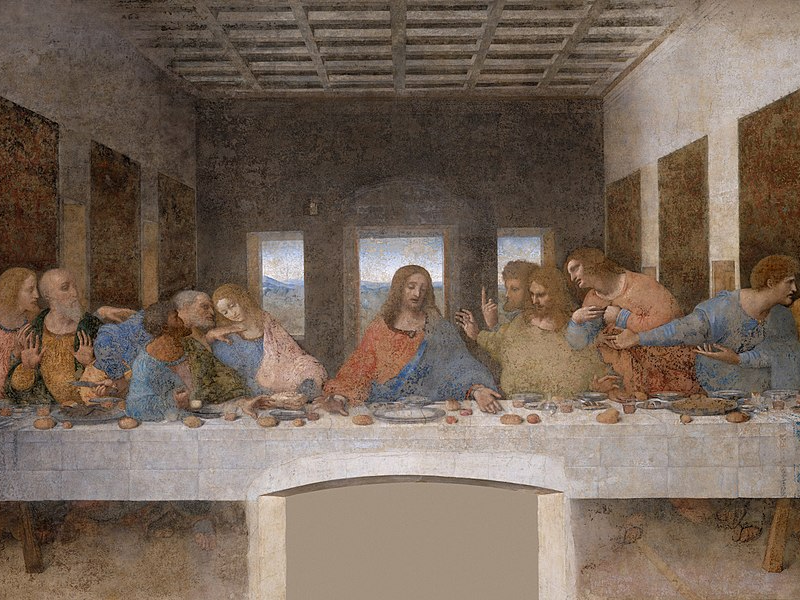
the_last_supper_-_leonardo_da_vinci_-_high_resolution_32x16
Matthew

He Shall Be Called A Nazarene

Matthew 2:13-23 has a tripartite structure, reporting briefly three events of the early years of Jesus’ life. Matthew ends his narrative of each event with a "fulfillment formula." Jesus’ flight to Egypt and His Exodus back into Israel was a fulfillment of Hosea’s words, "Out of Egypt I call my…

by Peter LeithartMay 19, 1990

Showing page 303 of 309

See all

Showing page 7 of 43

See all
Literature

Bardolater

Coleridge wrote, “Shakespeare knew the human mind; and its most minute and intimate workings, and he never introduces a word, or a thought, in vain or out of place: if we do not understand him, it is our own fault or the fault of copyists and typographers; but study, and…

January 18, 2006

Good Company

If Pascal were alive today, he would have a blog. Jonathan Edwards too.

January 18, 2006
History

Rise of Psychology

A thesis, which may prove, when the actual evidence is examined, to be wholly wrong: The thesis: Psychology and its related disciplines do not arise from clinical study or laboratory research, but as a branch of literary criticism. Evidence (extremely thin): Coleridge was the first to use the phrase “psycho-analytic.”…

January 17, 2006

Sermon Outline, Third Sunday After Epiphany

INTRODUCTION How are we to live in this world of vapor? Solomon tells us again and again to rejoice (e.g., 5:19-20), and implies that this joy comes in community with others. That theme of community is explicit in chapter 4, as Solomon reflects on the evils that destroy neighborliness and…

January 16, 2006
Philosophy

The Hebraism of Postmodernism, 2

James Smith offers this summary of one strand of Derrida’s essay, “Violence and Metaphysics”: “since philosophy is ‘primarily Greek,’ ‘it would not be possible to philosophize, or to speak philosophically, outside this medium.’ . . . But could one conceive philosophy otherwise? This, Derrida will show, is precisely what Levinas…

January 12, 2006
Philosophy

Theology and the Decentered self

Questioning the “self-present” ego did not begin with postmodern skeptics. Pascal already raised the question, what is the ego? and answered, “Suppose a man puts himself at a window to see those who pass by. If I pass by, can I say that he placed himself there to see me?…

January 12, 2006

Showing page 1899 of 2212

Browse by Category

In Medias Res

Your weekly digest for all things Theopolis.

Donate

Theopolis is nearly 100% donor-supported. Consider joining us on our mission.