Theopolis Logo

Writing

Explore our collection of theological essays, biblical studies, and reflections on faith and culture.

See all
abortion
Abortion

Letters on Abortion, (Part 1)

What is below is fairly self-explanatory. This is an exchange I had with a local liberal clergyman on the subject of abortion. The circumstances of the debate are included in the text itself. I initially e-mailed this out to a list of clergy in our city after a local (and…

by Richard BledsoeNovember 17, 2015
wall-2
Ezra

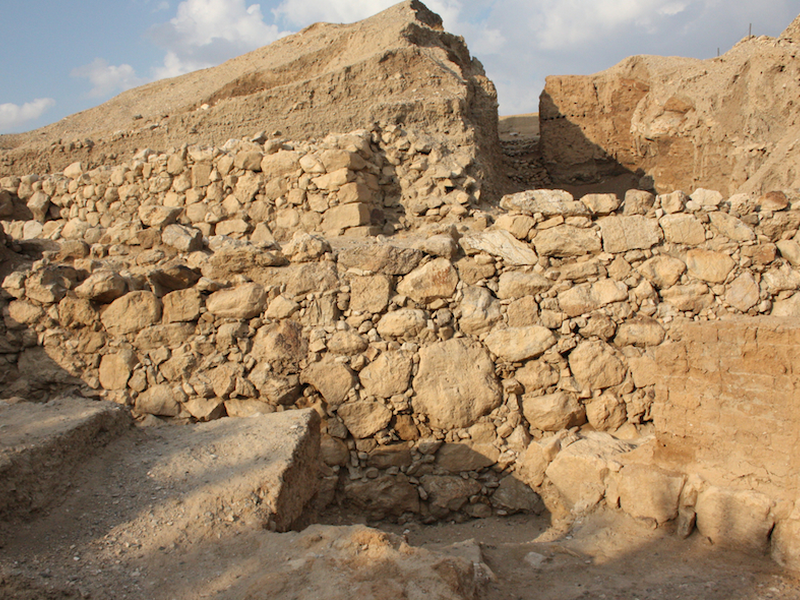
The Perfumed Butler and the Wisdom of Civil Obedience

The seemingly humdrum parts of the Bible often hide overlooked wisdom. Take, for example, the books of Ezra and Nehemiah. Their stories aren't exactly the most gripping or memorable. They are far less concrete than, say, the story of the Exodus. No one in Ezra is stricken blind or devoured…

by Christian LeithartNovember 10, 2015
sparkler
Happiness

"Happy! Happy! Happy!" Authentic Happiness and Its Knock-Offs

For most of the past century, philosophical perspectives on life in the western world have been overtly grim and pessimistic. The optimism of the Enlightenment, generated by confidence in the scientific method and the potential of an increasingly civilized humanity to redress the evils of the world, was shattered by…

by Bill DeJongNovember 5, 2015
aaron-burden-1ebsmyrau-s-unsplash
Hermeneutics

How Does a Chiasm Mean?

Chiastic structures are found all over the Bible, and in recent decades commentators have become more adept at spotting them. But identifying these literary structures is only part of the challenge. There remains the challenge of understanding what they mean. Part of the answer is found in the recognition that…

by Steve JefferyNovember 3, 2015
last-supper
Eucharist

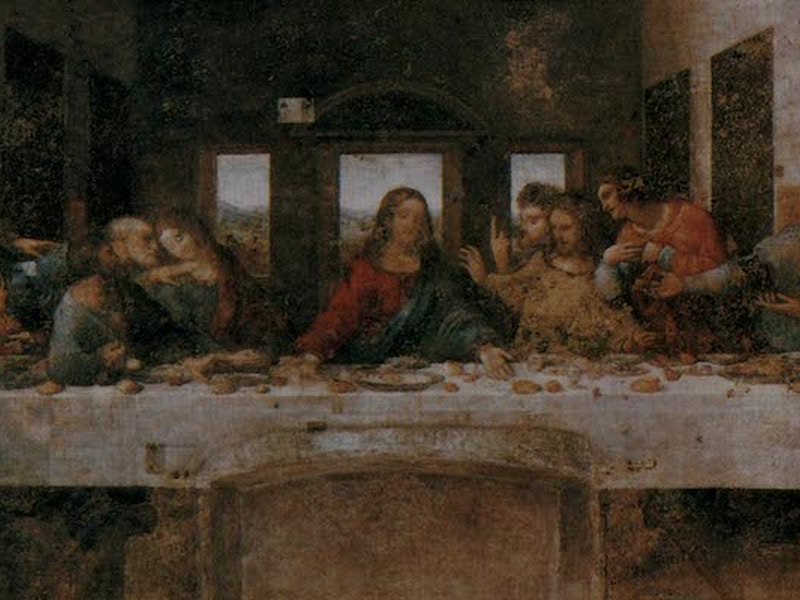
How To Change the World, (Part 2)

Part 1 can be found HERE . Clearly, more than just getting worship right is important in changing the world, but since worship is the central act of God’s people, performed on the first day of the week at the center of the world before the very face of God,…

by James B. JordanOctober 29, 2015
solomonsidolatry
Biblical Theology

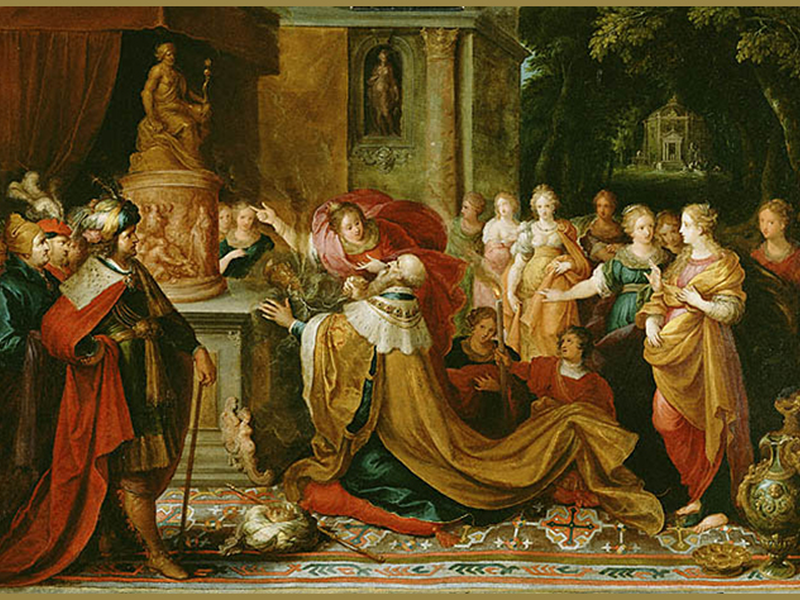
Big Love: A History of Stolen Fruit

“Blessed is the womb that bore you, and the breasts at which you nursed.” ( Luke 11:27 ) Arguing for Christian morality in a secular society is difficult. A culture which accepts evolutionary dogma has no intellectual place — or inherent desire — for absolute morality, since it believes morality…

by Mike BullOctober 27, 2015

Showing page 141 of 309

See all

Showing page 7 of 43

See all

Exhortation, August 28

Hope is one of the traditional “theological virtues” – faith, hope and love. Hebrews 11 defines faith as hope, and for Paul “hope,” like Victor and Faith, is another name for Jesus (1 Timothy 1:1). In our sermon text, Paul encourages hope by saying God is able to do “exceeding…

August 28, 2005
Philosophy

Transcendence and Immanence

There’s a slight false step, in the midst of a very helpful point, in Bruce Ellis Benson’s superb Graven Ideologies : He has been explaining the “double transcendence” of Platonism - metaphysical (Truth’s being is beyong the sensible world) and epistemological (human beings can get beyond the sensible world to…

August 28, 2005
Music

But for Luther

In his Teaching Company tapes on Bach and the Baroque (recommended), Robert Greenberg suggests an historical sequence that accounts for the development of German music: Music for singing, which in the period was largely church music, must take account of the language in which the music is sung. German is…

August 27, 2005

Mystery of Christ

Is the “mystery of Christ” in Ephesians 3:4 a mystery about Christ or is Christ Himself the mystery? Let’s take the latter option - Christ Himself is the mystery (cf. Colossians 1:27). How does that connect with the way Paul unpacks the mystery in terms of Jew/Gentile union (v. 6)?…

August 27, 2005

Gifts of men

NT Wright points out that the ascent and descent language in Ephesians 4:7-10 is reminiscent of Moses ascending Mount Sinai and then descending with the tablets of the Ten Commandments. Jesus ascends to heaven, and when He returns He does not bring the law of commandments on tablets of stone,…

August 27, 2005
Literature

Tragedy and Time

Macbeth hopes that his one act of regicide will stop the flow of time - “if ‘twere done when ‘tis done, then ‘twere well it were done quickly.” But it can’t be done when it’s done; actions provoke reactions. He ends tragically because he cannot trammel up the consequence. Time…

August 27, 2005

Showing page 1951 of 2212

Browse by Category

In Medias Res

Your weekly digest for all things Theopolis.

Donate

Theopolis is nearly 100% donor-supported. Consider joining us on our mission.