Theopolis Logo

Writing

Explore our collection of theological essays, biblical studies, and reflections on faith and culture.

See all
paul-2
Romans

Notes on Scary Stuff in Romans 9

What shall we say then? Is there injustice on God’s part? By no means! For he says to Moses, “I will have mercy on whom I have mercy, and I will have compassion on whom I have compassion.” So then it depends not on human will or exertion, but on…

by Mark HorneFebruary 5, 2015
lunch-counter
American Politics

Covenants of Exclusion

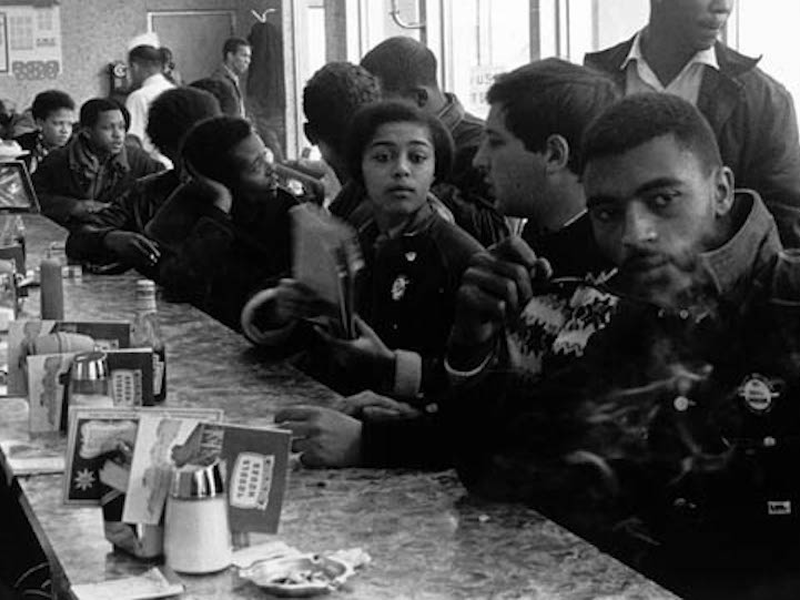
A hundred years ago, William Warley signed a contract to buy a house in Louisville, Kentucky from Charles Buchanan, a white man. Before closing the sale, Warley, who was black, learned that the lot was subject to a city ordinance barring blacks from occupying the premises if most of the…

by Brendan O'DonnellFebruary 3, 2015
shakespeare-2
Literature

The Bard and the Book

I concluded the first essay on this topic by saying that I would introduce three books about Shakespeare and the Bible, but I decided to introduce four instead. The three books become four are: Naseeb Shaheen, Biblical References in Shakespeare’s Plays (London: Associated University Presses, 1999) ; Hannibal Hamlin, The…

by Ralph Allan SmithJanuary 29, 2015
augustine-2
Augustine

Augustine on Pagan Virtue

My children attend a classical Christian school, situated in the independent “free church” evangelical tradition. Over the past few years they have been growing in their acquaintance with the world of Homer, Plato, Virgil, and Livy. They enjoy it, and I envy it. The school is a great school. My…

by Gerald HiestandJanuary 27, 2015
prodigal-son
Atonement

The Prodigal and the Cross

The Prodigal Son parable (Luke 15) has been a favorite of liberal theologians for a couple of centuries. It seems to be a parable designed for liberal sensibilities: An indulgent, accepting Father; forgiveness extended without a cross; a surly older brother who might represent the "conservative" face of religion who…

by Peter LeithartJanuary 22, 2015
sky-from-bridge
Ascension

Underground Man, Ascended Man

“I want now to tell you, gentlemen, whether you care to hear it or not, why I could not even become an insect. I tell you solemnly, that I have many times tried to become an insect. But I was not equal even to that. I swear, gentlemen, that to…

by Richard BledsoeJanuary 20, 2015

Showing page 161 of 309

See all

Showing page 7 of 43

See all

Subsystemic Conflict

I rene Dingel's contribution to Lutheran Ecclesiastical Culture, 1550-1675 examines the role of controversy in the formation of Lutheran theology and practice. She examines several early intra-Lutheran controversies, among them the contest between the Gnesio-Lutherans led by Matthias Flacius and the “Philippists” led by Melanchthon. The former accused the latter…

February 7, 2017

Renewal and Temple Personnel

I n a 1991 article in the Journal of Biblical Literature , John H. Wright asks what role 1 Chronicles 23–27 play in the Chronicler's account. The chapters look like a digression. David delivers an exhortation to Solomon (1 Chronicles 23) and makes him king (23:1), but that is followed…

February 7, 2017

Ecumenism in the Sixteenth Century

D uring the early decades of the Reformation, there were efforts on all sides to reconcile Reformers and Catholics. Diarmaid MacCulloch ( Europe's House Divided ) describes the ecumenical efforts of the Archbishop of Cologne, Hermann von Wied. Von Wied was not a promising candidate to be a reform leader:…

February 6, 2017

Disenchantment and Anthropomorphism

A t the beginning of their Dialectic of Enlightenment , Max Horkheimer and Theodor Adorno define Enlightenment in terms of disenchantment of the world: “Enlightenment’s program was the disenchantment of the world. It wanted to dispel myths, to overthrow fantasy with knowledge. Bacon, ‘the father of experimental philosophy,' brought these…

February 3, 2017
Reformation

Rival Tidinesses

T he Reformation and the Catholic reaction to it caused a massive split within Western Christendom, and further divisions proliferated from that original split. As Diarmaid MacCulloch points out ( Reformation: Europe's House Divided 1490–1700 ), that is only one part of the story: “The Protestant communities, which for a…

February 3, 2017

Crackdown

“T he most influential work of Italian spirituality in these years, the Beneficio di Cristo (published 1543, and apparently selling in tens of thousands before translation into other European languages), illustrates this continuing shapelessness—it was itself a somewhat shapeless work. It was written by a Cassinese Benedictine monk Don Benedetto…

February 3, 2017

Showing page 209 of 2212

Browse by Category

In Medias Res

Your weekly digest for all things Theopolis.

Donate

Theopolis is nearly 100% donor-supported. Consider joining us on our mission.