Theopolis Logo

Writing

Explore our collection of theological essays, biblical studies, and reflections on faith and culture.

See all
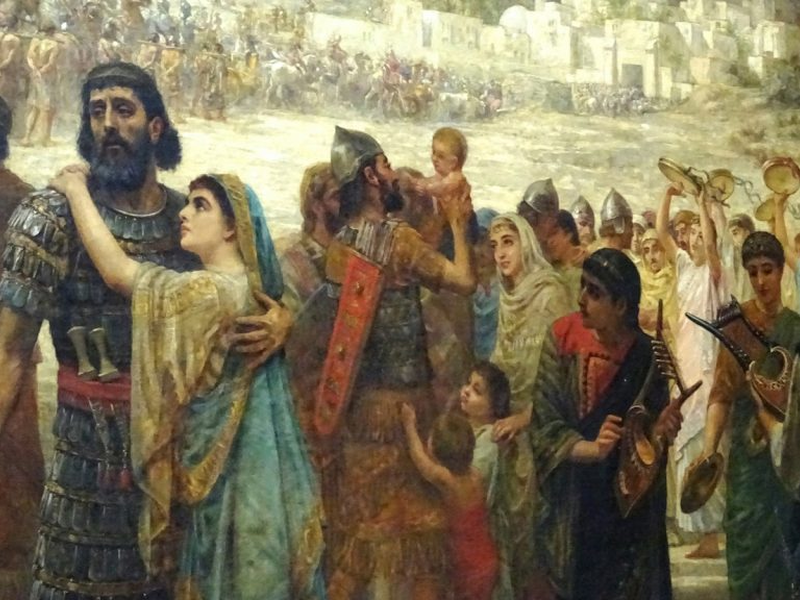
jephthahs-vow-by-edwin-long
Judges

The Jephthah-Jesus Connection

Why there is more to Jephthah than meets than eye It was not that long ago that I realized the Jephthah-story and the Jesus-story were basically the same story. Sounds crazy, I know. But here is a one-paragraph synopsis of both: The people of God have gone their own way,…

by Eric RobinsonDecember 27, 2018
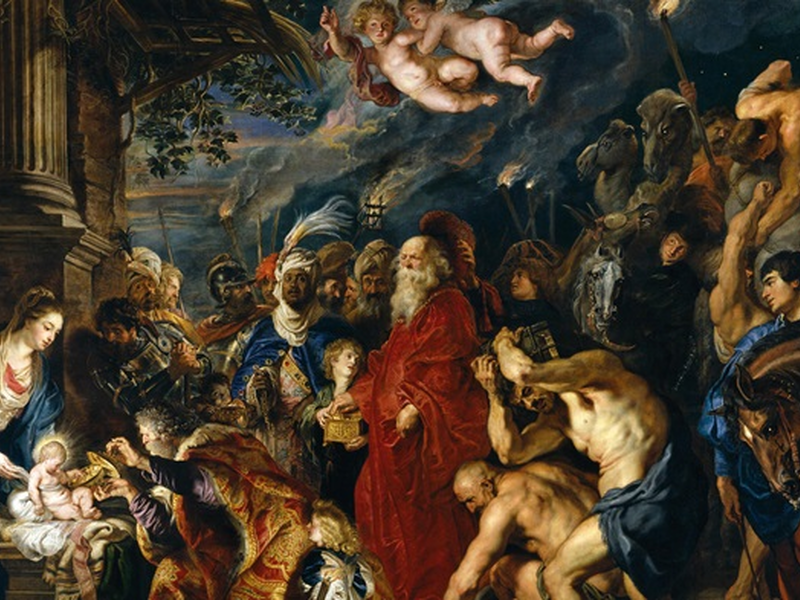
nativity-2
Advent

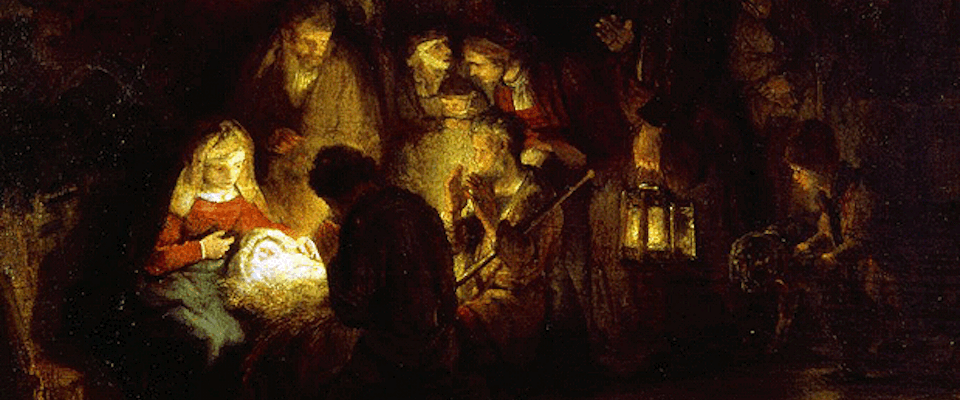
Jesus Rejoiced

G.K. Chesterton famously said that the Gospels don’t reveal Jesus’ mirth. It’s true we never catch Jesus laughing. But can we believe He never did? I don’t think so. Laughter is human, and Jesus was fully human. Jesus promised that those who mourned would laugh. He mourned; would He not…

by Peter LeithartDecember 25, 2018
74686
Advent

New Exodus

Matthew 2 has all the elements of an exodus story. There’s a murderous king, who slaughters Jewish babies. There’s a infant who will be Israel’s future deliverer, saved from the murderous king so He can later return to save His people and lead them to the Promised land. There’s an…

by Peter LeithartDecember 20, 2018
tpc-worship
Church Calendar

Is the Church Calendar Desirable?

The calendar of Israel was primarily theological, centered on commemorating the salvific acts of God, but also agricultural, celebrating the creation-restoring effects of those salvific acts. The feasts of the first month celebrated the reviving of the world in the Spring, and typified the cutting off of the Savior in…

by James B. JordanDecember 18, 2018
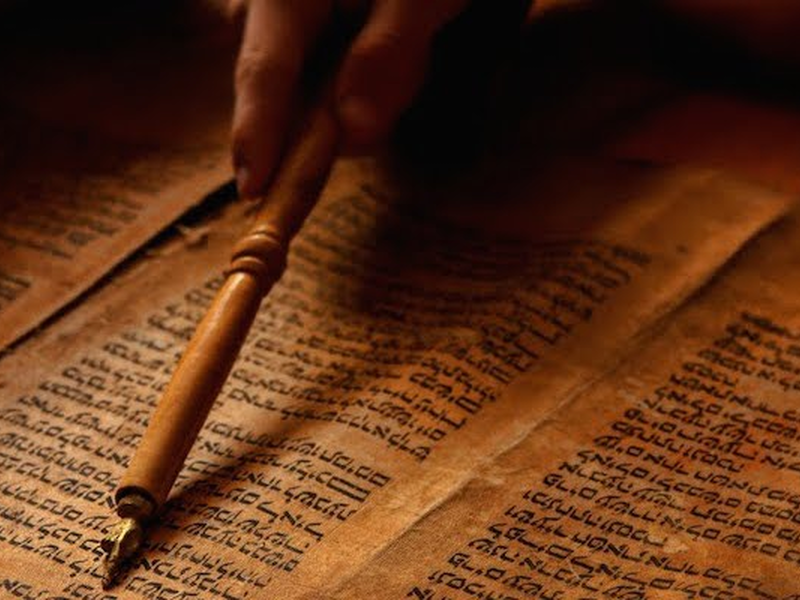
hebrew-manuscript-2
Chiasm

Chiasms and Life

The chiastic shape corresponds to the shape of human life. This should not surprise us, because we are made in the image of God, and God is manifest in Word and Spirit. If we are living epistles, our lives will look a bit like the literary shape of the books…

by James B. JordanDecember 14, 2018
sailing-shop-storm-crop
Biblical Theology

Boat Stories

Back in January, Venkatesh Rao wrote a fascinating post on the Ribbonfarm blog, discussing different forms of models of narrative. Engaging with Ursula LeGuin’s talk ‘The Carrier Bag Theory of Fiction’ , Rao explores her contrast between the (male) ‘hero narrative’ and the (female) ‘carrier-bag story’, and suggests a third…

by Alastair RobertsDecember 11, 2018

Showing page 83 of 309

See all

Showing page 7 of 43

See all

Sacrilege or Exaltation

T he Hebrew word ma’al is a key term in Chronicles. It means “act of unfaithfulness” or “sacrilege,” and is the sin that leads to Saul's fall (he ma’aled a ma’al , 1 Chronicles 10:13) and to the exile of Judah, whose officials and priests ma’aled a ma’al (2 Chronicles…

November 7, 2016
Reformational Catholicism

End of Protestantism

M y End of Protestantism (the book) deals with a number of the questions Doug Wilson raises in his brief review . Here I correct several of Doug’s misrepresentations and clarify some points, but mainly point to fuller discussions in the book. First, on John 17: Doug says that I’m…

November 7, 2016
American Politics

American Prestige in Freefall

W riting in The Australian , Paul Kelly views the state of American politics from Down Under. He gets some things wrong, I think, but he also nails some of the cultural and political toxins of which the 2016 Presidential debate is symptomatic. He lays much of the blame on…

November 4, 2016

Pain and Negation

I n her The Body in Pain , Elaine Scarry describes the “aversiveness” of our experience of pain. By that, she means that pain is sheerly negative, experienced as something set against us. Even though it is in us, it’s not us. Scarry writes: The first, the most essential, aspect…

November 4, 2016

Aging and the Unmaking of the World

A ge obliterates and collapses our world, writes Elaine Scarry in The Body in Pain (32-3): “the body works to obliterate the world and self of the old person. Something of this world dissolution is already at work even in the tendency of those in late middle age, no longer…

November 4, 2016

Divine Sentience

I n several places in Scripture, idols are characterized by their sensory deprivation (Psalms 115; 135). They have eyes but cannot see, ears but cannot hear prayer, noses but cannot smell incense of sacrifice. By implication, Yahweh the living God can do all these things. Elaine Scarry points out (…

November 4, 2016

Showing page 235 of 2212

Browse by Category

In Medias Res

Your weekly digest for all things Theopolis.

Donate

Theopolis is nearly 100% donor-supported. Consider joining us on our mission.