Theopolis Logo

Writing

Explore our collection of theological essays, biblical studies, and reflections on faith and culture.

See all
paul-2
Romans

Notes on Scary Stuff in Romans 9

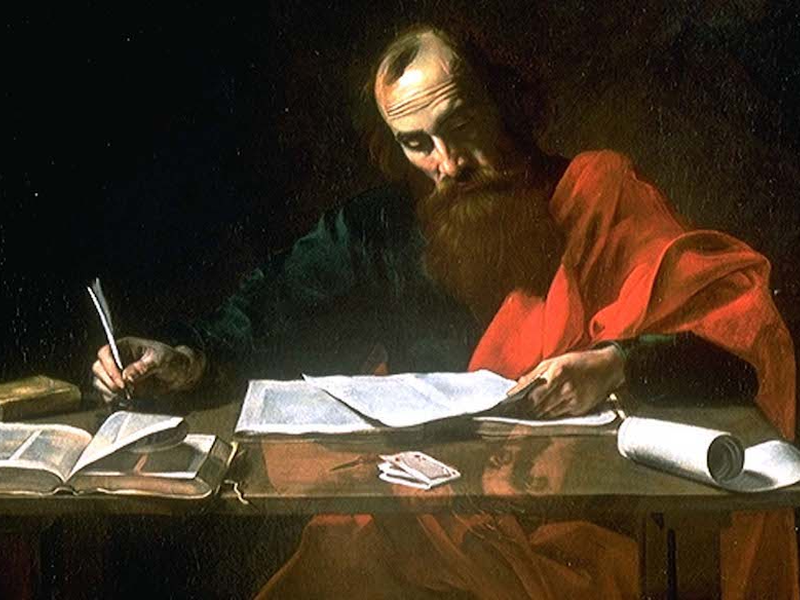
What shall we say then? Is there injustice on God’s part? By no means! For he says to Moses, “I will have mercy on whom I have mercy, and I will have compassion on whom I have compassion.” So then it depends not on human will or exertion, but on…

by Mark HorneFebruary 5, 2015
lunch-counter
American Politics

Covenants of Exclusion

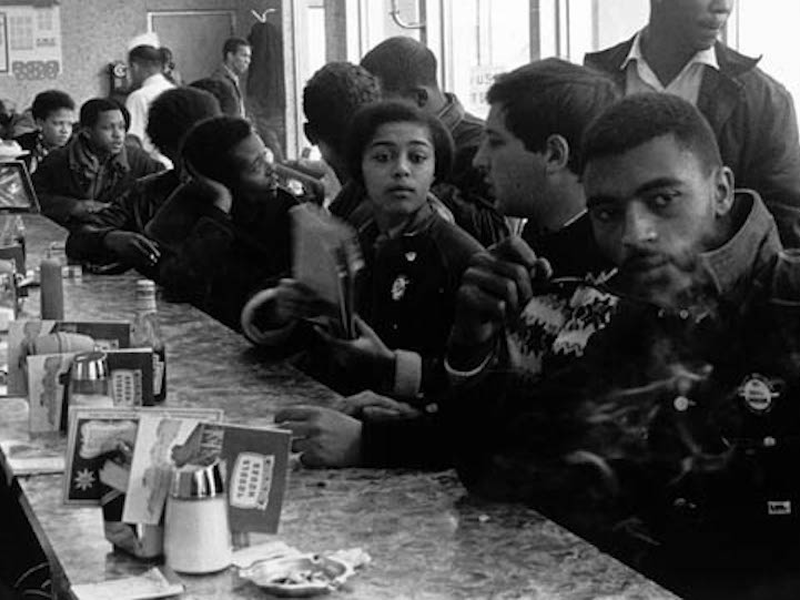
A hundred years ago, William Warley signed a contract to buy a house in Louisville, Kentucky from Charles Buchanan, a white man. Before closing the sale, Warley, who was black, learned that the lot was subject to a city ordinance barring blacks from occupying the premises if most of the…

by Brendan O'DonnellFebruary 3, 2015
shakespeare-2
Literature

The Bard and the Book

I concluded the first essay on this topic by saying that I would introduce three books about Shakespeare and the Bible, but I decided to introduce four instead. The three books become four are: Naseeb Shaheen, Biblical References in Shakespeare’s Plays (London: Associated University Presses, 1999) ; Hannibal Hamlin, The…

by Ralph Allan SmithJanuary 29, 2015
augustine-2
Augustine

Augustine on Pagan Virtue

My children attend a classical Christian school, situated in the independent “free church” evangelical tradition. Over the past few years they have been growing in their acquaintance with the world of Homer, Plato, Virgil, and Livy. They enjoy it, and I envy it. The school is a great school. My…

by Gerald HiestandJanuary 27, 2015
prodigal-son
Atonement

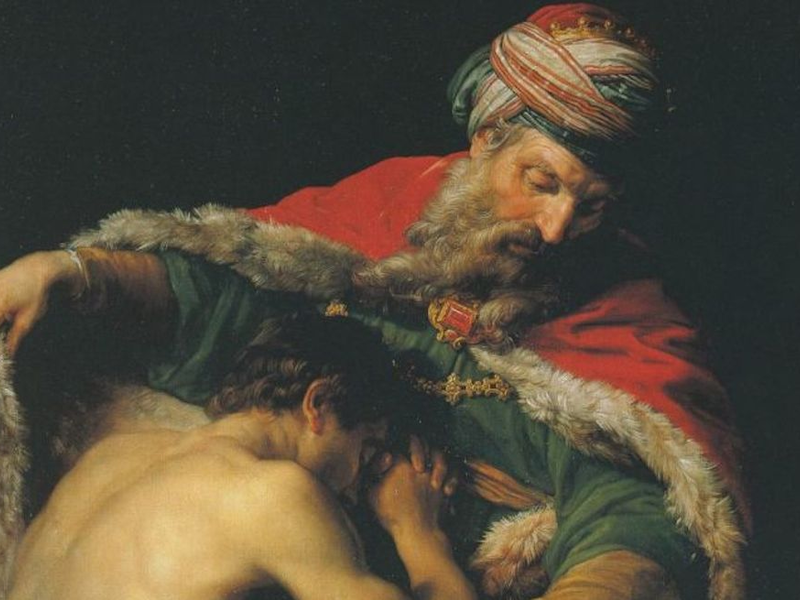
The Prodigal and the Cross

The Prodigal Son parable (Luke 15) has been a favorite of liberal theologians for a couple of centuries. It seems to be a parable designed for liberal sensibilities: An indulgent, accepting Father; forgiveness extended without a cross; a surly older brother who might represent the "conservative" face of religion who…

by Peter LeithartJanuary 22, 2015
sky-from-bridge
Ascension

Underground Man, Ascended Man

“I want now to tell you, gentlemen, whether you care to hear it or not, why I could not even become an insect. I tell you solemnly, that I have many times tried to become an insect. But I was not equal even to that. I swear, gentlemen, that to…

by Richard BledsoeJanuary 20, 2015

Showing page 161 of 309

See all

Showing page 7 of 43

See all

Donne and Sacramental Poetics

Sophie Read's Eucharist and the Poetic Imagination in Early Modern England examines six early modern English poets on the assumption that “particularities of belief can be made manifest in the verbal texture of a literary work: that there is an analogy between the rhetorical and theological plans of understanding, and…

April 29, 2016

Preaching to Spirits

Karen Jobes ( 1 Peter ) understates the point when she says that 1 Peter 3 is “more obscure than we might wish,” but she highlights the central point of Peter's odd claim that Jesus preached to spirits in prison: “(1)Being linked with 3:13-17 by hoti kai (because also, 3:18),…

April 28, 2016

Rabbinic Welfare

Susan Holman devotes a few pages of her The Hungry Are Dying , a study of “beggars and bishops” in Cappadocia, to a sketch of Rabbinic teaching on almsgiving, drawn from the writings of the Talmudim. The poor appear in three main contexts in rabbinic writing: “First, they are recognized…

April 28, 2016
Ritual

Biblical Terms for “Ritual”

English Bibles rarely employ the words “ceremony,” “rite,” or “ritual” to translate biblical terms. The NASB, for example, uses the words “ritual” and “rite” in only three instances, all having to do with the Passover (Exodus 12:25-26; 13:5). The Authorized Version uses the word “ritual” only at Number 9:3. The…

April 27, 2016

Weber's Liberal Protestantism

Anthony Carroll summarizes his Protestant Modernity in a 2009 article in the Archives of European Sociology . Recognizing that Weber's theory of secularization “has greatly influenced later social theorists in their accounts of secularisation, rationalisation, and modernisation,” he wanted to set Weber's theory “within its liberal Protestant heritage.” This is…

April 27, 2016

No Longer

The ruined city Babylon is a city where things that used to happen don't happen anymore. John's description is under the rubric “no longer” ( ou eti , used 6x in Revelation 18:21-24). In Babylon, music, crafts, milling, light, and weddings have ceased. The old has passed, the new has…

April 26, 2016

Showing page 295 of 2212

Browse by Category

In Medias Res

Your weekly digest for all things Theopolis.

Donate

Theopolis is nearly 100% donor-supported. Consider joining us on our mission.