Theopolis Logo

Writing

Explore our collection of theological essays, biblical studies, and reflections on faith and culture.

See all
timothy-eberly-djj49s6ud2o-unsplash
Biblical Studies

Whom Shall We Believe? Evangelicals and Scholarship

As we move into the Persian period of ancient history, and try to reconcile it with Daniel’s prophecies, we need to ask some hard questions about the interpretation of the data before us. One question concerns the reliability of the Biblical witness, and beyond that a second question concerns the…

by James B. JordanJanuary 30, 1991
a2-118606403-jpg
Biblical Horizons

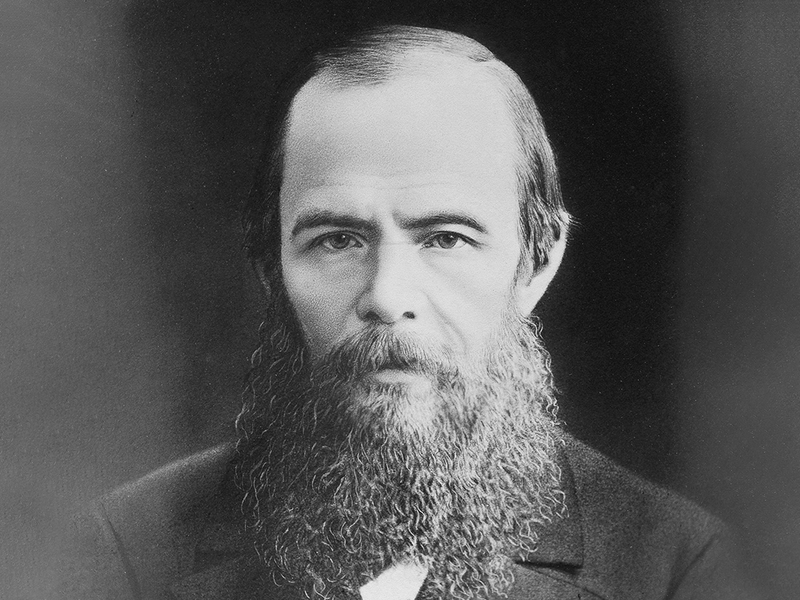
Understanding Russia

Ewa Majewska Thompson: Understanding Russia: The Holy Fool in Russian Culture Ewa M. Thompson is Professor and Chairman of the Department of German and Slavic Studies at Rice University. In this seminal study, she investigates the concept of the "holy fool" as it exists in Russian culture and civilization. While…

by James B. JordanJanuary 30, 1991
alfons-morales-ylswjsy7stw-unsplash-1
Biblical Studies

The Bible and Western Literature

The most cursory glance at the history of Western literature reveals that it has been deeply influenced by the Bible. Some of the greatest classics of Western literature draw their plots, characters, and ideas largely from Scripture; Dante’s Divine Comedy and Milton’s Paradise Lost are two of the most notable…

by Peter LeithartJanuary 23, 1991
screen-shot-2022-04-28-at-4-57-36-pm
Exodus

The Beautiful Child

Each time the Scriptures recount the story of Moses’ birth and deliverance from Pharaoh, reference is made to two facts about that event. First, each text points out that Moses was "beautiful." Second, each text points out that Amram and Jochebed, his parents, hid him for three months (cf. Ex.…

by Peter LeithartJanuary 23, 1991
501819ld-2
Romans

Who Rules the Land? The Meaning of the Noahic Covenant, Part 2

Click HERE for Part 1. The Message of the Covenant Can we really say that the saints presently rule the world, and always have since Noah? Look around and you can see that the wicked rule in virtually every country on earth. There are wicked civilizations that rise Babelically age…

by James B. JordanDecember 30, 1990
hebrew-manuscript-6
Hermeneutics

Daniel’s 70 Weeks

As we saw last time , we have come to the place in the study of Biblical chronology where it seems that we are forced to abandon the Bible itself as our primary source of information. If we assume that the seventy sevens of Daniel 9:24-27 are in fact weeks…

by James B. JordanDecember 23, 1990

Showing page 300 of 309

See all

Showing page 7 of 43

See all

Justice and Faith in Acts

Paul's sermons in Acts 13 and 17 both employ language connected with the theme of justification that occupies so much attention in Romans and Galatians. Yet Paul uses the same concepts and terminology in ways that don't seem to fit his usage in the epistles. In Acts 13:38-39, he tells…

April 26, 2016

Protestant Individualism?

In her book on Common Prayer , Ramie Targoff claims that “What emerges in the aftermath of the Reformation is less a triumphant embrace of the individual's private and individual self than a concerted effort to shape the otherwise uncontrollable and unreliable internal sphere through common acts of devotion” (6).…

April 26, 2016

Sons of Levi

The genealogy of Levi is at the center of the genealogical section of 1 Chronicles. The genealogy begins with Adam and reaches ahead to the restoration from exile. In short, the genealogies survey all of human history, and, with the Levites at the center, it's as if the human race…

April 25, 2016

Atoning Alms

Early on in David Downs's study of Alms and atonement in early Christianity, he offers this striking quotation from Basil. He urges his hearers to keep the commandment to feed the hungry “as you would take hold of a fugitive, securing it from all sides with grasping hands and encircling…

April 25, 2016

Suffering Historiography

Theological investigations of Naziism are often dogged by “a subtle methodological difficulty,” writes Paul Hinlicky in Before Auschwitz (2): “the ‘retrospective fallacy,' sometimes also called ‘presentism.'” As Hinlicky explains, “Unlike the historical actors in church and society during the 1920s and 1930s in Germany, our inquiry benefits from certain knowledge…

April 25, 2016

Pagans and their Images

Paul's criticism of idols in his Athens speech repeats philosophical commonplaces about the nature of God and the difference between God and images, commonplaces as old as Plato and as contemporary as Seneca. But they were philosophical commonplaces. Lane Fox has pointed out that the philosophical skepticism about images was…

April 21, 2016

Showing page 296 of 2212

Browse by Category

In Medias Res

Your weekly digest for all things Theopolis.

Donate

Theopolis is nearly 100% donor-supported. Consider joining us on our mission.