Theopolis Logo

Writing

Explore our collection of theological essays, biblical studies, and reflections on faith and culture.

See all
cloister

Gatekeepers

1 Chronicles 9:1 seems to bring the genealogies of 1 Chronicles to an end. The Chronicler has recorded the genealogy of the human race from Adam, focusing on the descendants of Abraham through Jacob. Summing it all up, he says, “So all Israel was enrolled by genealogies; and behold, they…

by Peter LeithartJune 21, 2016
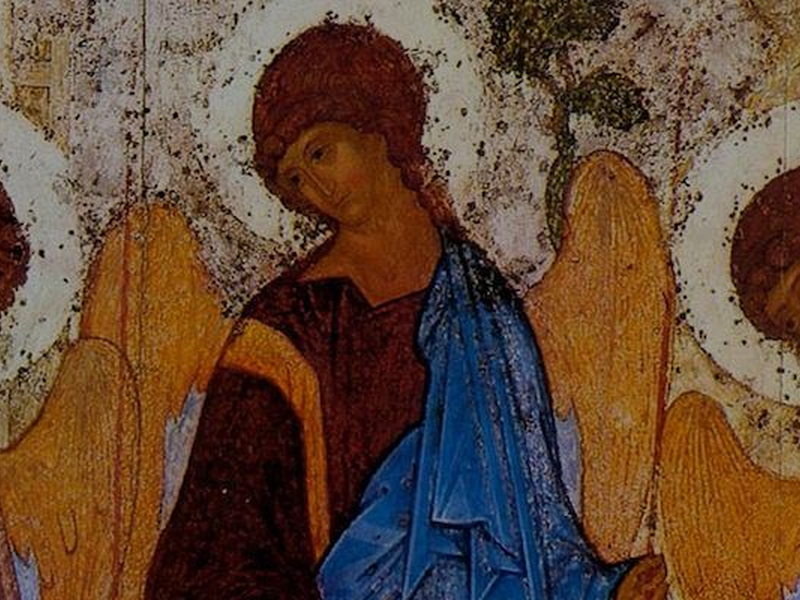
trinity-1-2
Trinity

Are the Divine Persons Persons?

The “personalist” understanding of the Trinity, articulated most influentially in the work of John Zizioulas, has fallen on hard times. Recent scholars have attacked Zizioulas’s idea that Cappadocian Trinitarianism represented an ontological revolution, hammering on the distinction between divine and human personhood. Michel Barnes’s conclusion is the most drastic of…

by Peter LeithartJune 16, 2016
img_4660-2
Architecture

On Biblical Theology

Biblical Theology is often defined as the historical unfolding of God’s revelation, or of God’s revelation and of the history of his covenantal redemption and transformation of humanity and the world. In practice, Biblical Theology is usually broader than this, and also includes the study of literary structure and of…

by James B. JordanJune 14, 2016
laughing_statue_by_xxbobbiie-d5f0meh-2
Humor

Wise Laughter

We are made to be happy. Created to enter into the eternal joy of God, our whole being inclines to that end, but the fallen world has put forth barriers and by our own sin we bar ourselves from that endless delight, and death blinds us to that reality. Yet…

by Remy WilkinsJune 7, 2016
img_7664
Liturgy

Why Theopolis? Take Two

At the end of Revelation, John sees the heavenly city descending to earth. The city shines with the brilliance of God's glory, which lightens the nations, so that kings bring their glory to the city. This is not a vision of the final new heaven and new earth. It's a…

by Peter LeithartJune 2, 2016
trinity-1-2
Attributes of God

How Can We Talk About God?

“No one has ever seen God,” writes John (John 1:18). If this is the case, then how can we speak about God? Some people say we actually cannot. Or at least we cannot speak about God positively, i.e. who He is. We can only say who or what God is…

by Bogumil JarmulakMay 31, 2016

Showing page 130 of 309

See all

Showing page 7 of 43

See all

Losing the Body

The Economist's review of Thomas Lacqueur's The Work of the Dead highlights the shifts in our funeral customs over the past few centuries: “A large part of the book is devoted to the slow transition from churchyards to cemeteries, a story of changing sensibilities, epitomised by the gradual replacement of…

December 4, 2015

Cultural Geography

In his forthcoming collection of essays, The Ways of the World , David Harvey observes that “it is impossible on the ground and in the streets to see where nature ends and culture begins. imposing a dichotomy where there is none is a fatal mistake.” Geography is his great illustration…

December 4, 2015

Hamlet Among Protestants and Catholics

Most readers and viewers of Hamlet take Hamlet’s most famous soliloquy as a meditation on suicide. In Hamlet, Protestantism, and the Mourning of Contingency , John E. Curran, Associate Professor of English at Marquette University, argues there are bigger things at work. Hamlet is opposing two ontologies, religious universes, moralities.…

December 3, 2015

Rhetoric: Ancient, Modern, Postmodern

Rhetoric is an ancient art. It was one of the main courses of study in ancient schools, along with grammar and logic. During the days of the Roman Empire, learning rhetoric was a path to power and prestige. Augustine, the great church father of North Africa, was trained as a…

December 3, 2015

Jerusalem, Sennacherib, and Us

The story of Jerusalem's deliverance from Sennacherib's Assyrian army, told in both 2 Kings and Isaiah, is an exciting account. It's a story worthy of Byron’s galloping verse, his medieval ballad. But still: So what? What does all this ancient history have to do with me, with my problems, with…

December 3, 2015

Would you sacrifice yourself for Iraq?

Why do we talk about patriotism in religious terms? asks Ivan Strenski (in a Library of Social Science essay): “For a student of religion what strikes one as odd is that we name the act of giving up one’s life for the sake of one’s nation, as a ‘sacrifice.' Why…

December 2, 2015

Showing page 345 of 2212

Browse by Category

In Medias Res

Your weekly digest for all things Theopolis.

Donate

Theopolis is nearly 100% donor-supported. Consider joining us on our mission.