Theopolis Logo

Writing

Explore our collection of theological essays, biblical studies, and reflections on faith and culture.

See all
evangelists
Matthew

Dating Matthew, (Part 1)

When might the Gospel according to Matthew have been written? Of course, any answer can only be speculation, but that does not mean we are reduced to groundless opinion. In this series of articles I point the way to an approach different from the general consensus among scholars today which…

by Ralph Allan SmithNovember 22, 2016

hebrew-manuscript-3
Hermeneutics

Synopticity, (Part 2)

In my first essay on “synopticity” I offered a rather rough definition of the phenomenon and important, though not exhaustive examples. In this essay, I want to introduce broader aspects of the phenomenon of “synopticity.” The first example that I have in mind is conventional stories, stories of different historical…

by Ralph Allan SmithNovember 17, 2016
screen-shot-2016-03-31-at-9-32-11-am
Ascension

Brexit and the Binding of Satan, Part 4

Since the judgment of Babel was followed by the initiation of the circumcision, the impending end of the circumcision in AD70 explains the significance of the first century miracle of foreign tongues. Except for a few Aramaic “teasers” in the book of Daniel, the Word of God was monolingual and…

by Mike BullNovember 15, 2016
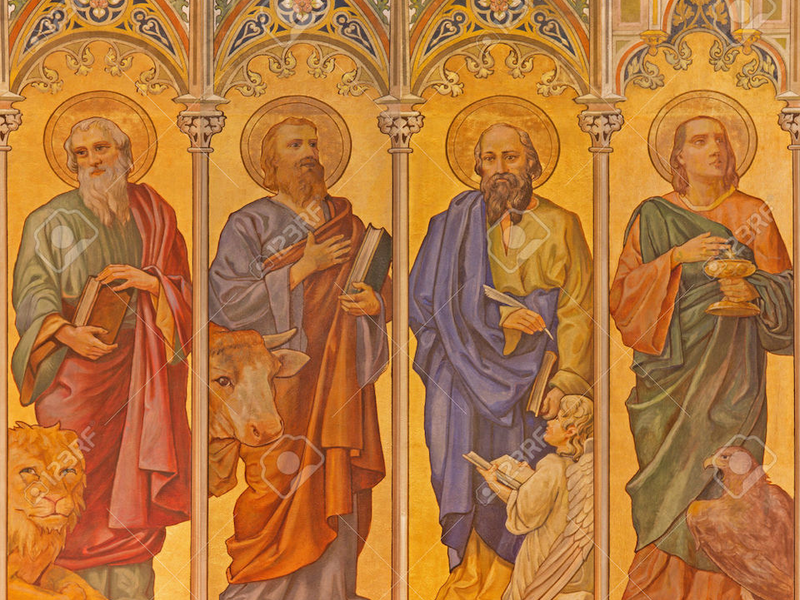
four-evangelists
Hermeneutics

Synopticity, (Part 1)

To the best of my knowledge “synopticity” is not a word used in theology or Biblical studies, but it seems an appropriate word to describe the kind of phenomena associated with the Synoptic Gospels, Matthew, Mark, and Luke. These three Gospels tell essentially the same story with significant — sometimes…

by Ralph Allan SmithNovember 10, 2016
laughing_statue_by_xxbobbiie-d5f0meh-2
Humor

Learning to Laugh

Humor is a funny thing. It is altogether familiar yet also mysterious. What makes us laugh? Why do we find things funny? There are academic fields of study dedicated to discovering what makes things humorous. These academicians even have a journal entitled International Journal of Humor Research . No joke.…

by Bill SmithNovember 8, 2016
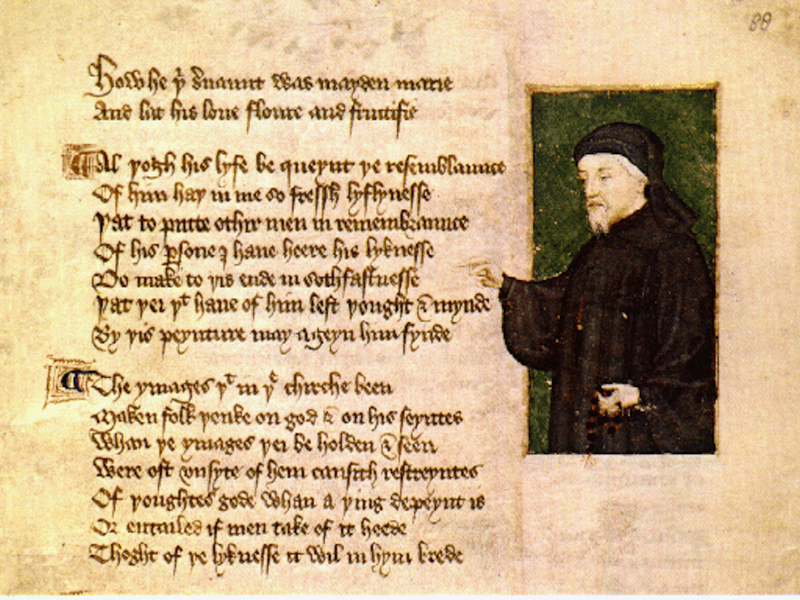
chaucer
Literature

Flawed Means of Grace: Liturgy in The Pardoner's Tale

Out of all the characters in Geoffrey Chaucer’s The Canterbury Tales , the Pardoner has been called the “one lost soul.” The pious Parson, who closes out the collection of tales with a sermon on the seven deadly sins and how a sinner can absolve himself of them, connects the…

by Christian LeithartNovember 3, 2016

Showing page 122 of 309

See all

Showing page 7 of 43

See all

Preaching Repentance

John (Mark 1:4; Luke 3:3) and Jesus (Matthew 4:17; Mark 1:15) come preaching repentance. Over time, though, it becomes clear that the Jews are not repenting, and Jesus begins to denounce the cities that don't respond to His message of repentance (Matthew 11:20-21; 12:41; Luke 10:13; 11:32). Jesus' lurid predictions…

June 17, 2015

Race in the American Church

It was not uncommon in the early 19th century for blacks and whites to worship together. As Niebuhr observes, they “did not enjoy complete fellowship” and there was certainly not equality between them, yet “they participated in the same services and were members of the same denominations. . . .…

June 17, 2015

Denominationalism Is Secularization

“Denominational pluralism, on the American plan,” wrote Will Herberg, “means thoroughgoing secularization” (36). By “secularization,” Herberg meant a gap between “conventional” and “operational” religion. Conventional religion is that practiced by religious adherents - Protestants, Catholics, Jews, Muslims, Buddhists. Operational religion is the set of beliefs, rituals, and values that shapes…

June 17, 2015

Numerical Patterning in Revelation 16

After the third angel turns the rivers and springs to blood by pouring the passion of God into them, the “angel of the waters” praises the righteous judgment of God (Revelation 16:5-7). His speech of praise is chiastically arranged, with a modification: A. I heard the angel of waters saying…

June 16, 2015

Denominationalism and the New World

Timothy L. Smith offers a vivid portrait of the “loneliness and danger,” as well as the fragmentation of traditional social networks, that the earliest American settlers had to face (contribution to Denominationalism , 50-1): “Gone was the material heritage of the European village - the cottages and garden plots, the…

June 16, 2015

Social Sources of Denominationalism

H. Richard Niebuhr is altogether too much the sociologist. He displays the habit of peering past theological debates to the “roots” of conflict and division in the church, roots that always turn out to be fundamentally social roots. As Milbank stressed, this sort of sociology turns “society” into an explanatory…

June 16, 2015

Showing page 411 of 2212

Browse by Category

In Medias Res

Your weekly digest for all things Theopolis.

Donate

Theopolis is nearly 100% donor-supported. Consider joining us on our mission.