Theopolis Logo

Writing

Explore our collection of theological essays, biblical studies, and reflections on faith and culture.

See all
cloister

Gatekeepers

1 Chronicles 9:1 seems to bring the genealogies of 1 Chronicles to an end. The Chronicler has recorded the genealogy of the human race from Adam, focusing on the descendants of Abraham through Jacob. Summing it all up, he says, “So all Israel was enrolled by genealogies; and behold, they…

by Peter LeithartJune 21, 2016
trinity-1-2
Trinity

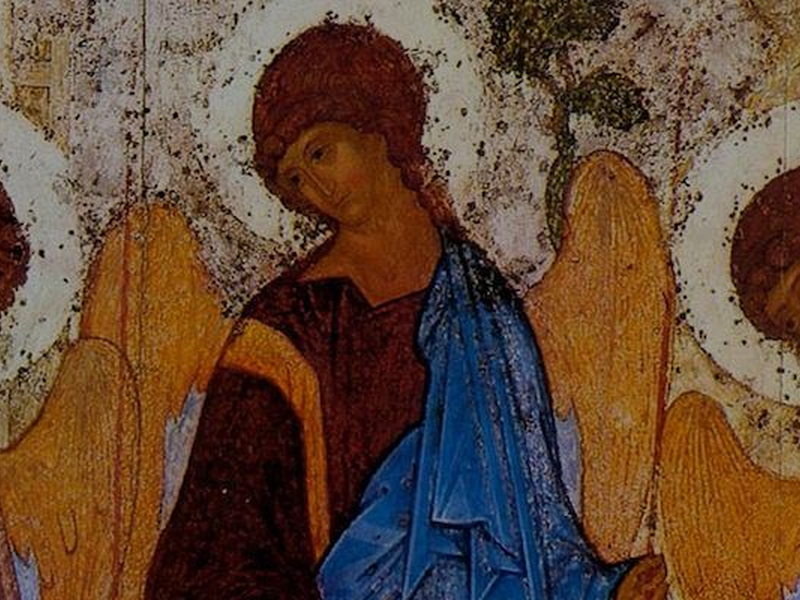
Are the Divine Persons Persons?

The “personalist” understanding of the Trinity, articulated most influentially in the work of John Zizioulas, has fallen on hard times. Recent scholars have attacked Zizioulas’s idea that Cappadocian Trinitarianism represented an ontological revolution, hammering on the distinction between divine and human personhood. Michel Barnes’s conclusion is the most drastic of…

by Peter LeithartJune 16, 2016
img_4660-2
Architecture

On Biblical Theology

Biblical Theology is often defined as the historical unfolding of God’s revelation, or of God’s revelation and of the history of his covenantal redemption and transformation of humanity and the world. In practice, Biblical Theology is usually broader than this, and also includes the study of literary structure and of…

by James B. JordanJune 14, 2016
laughing_statue_by_xxbobbiie-d5f0meh-2
Humor

Wise Laughter

We are made to be happy. Created to enter into the eternal joy of God, our whole being inclines to that end, but the fallen world has put forth barriers and by our own sin we bar ourselves from that endless delight, and death blinds us to that reality. Yet…

by Remy WilkinsJune 7, 2016
img_7664
Liturgy

Why Theopolis? Take Two

At the end of Revelation, John sees the heavenly city descending to earth. The city shines with the brilliance of God's glory, which lightens the nations, so that kings bring their glory to the city. This is not a vision of the final new heaven and new earth. It's a…

by Peter LeithartJune 2, 2016
trinity-1-2
Attributes of God

How Can We Talk About God?

“No one has ever seen God,” writes John (John 1:18). If this is the case, then how can we speak about God? Some people say we actually cannot. Or at least we cannot speak about God positively, i.e. who He is. We can only say who or what God is…

by Bogumil JarmulakMay 31, 2016

Showing page 130 of 309

See all

Showing page 7 of 43

See all

Purity, Pauline Style

In his study of The Concept of Purity at Qumran and in the Letters of Paul , Michael Newton argues that Paul transfers the logic and patterns of purity and cult from the temple to the new temple-community, the church. Relying mainly on Corinthians, Newton writes: “By describing the Christian…

May 12, 2015

Sodom v. Circumcision

A hermeneutical rule of thumb I share with students: Chapter 2 comes after chapter 1. It has many applications, as in “Chapter 18 comes after chapter 17.” Make the observation, then ask, Why? Why is that story there , after this one and before that one? The story of Sodom…

May 11, 2015

Is David Among the Prophets?

After describing the heroes of faith from creation to Jericho with some leisure, Hebrews 11 closes with a rapid-fire survey of everything from the judges on (vv. 32-38). It's a nicely constructed passage. First, six individuals are named, followed by a general reference to “prophets”: Gideon, Barak, Samson, Jephthah, David,…

May 11, 2015

Mark of the Beast

In a 1991 article in the Tyndale Bulletin , Edwin Judge reviews the symbolic resonances of the phrase “mark of the beast,” but notes, rightly that “the visions of Revelation keep disconcertingly coming down to earth” (158). So he looks for historical evidence of a mark imposed by Roman authorities…

May 11, 2015

Anthropology and the Bible

In an essay on atonement in the Jewish Studies Quarterly from the early 1990s, Mary Douglas explains “the social origins of ideas about defilement in general”: Living in a community, people find themselves wanting to keep apart from some dissimilar others and to be included within sets of similars. To…

May 11, 2015

The Imperialism of Liberal Reason

“The ambition of the liberal political philosopher,” writes Paul Kahn ( Putting Liberalism in its Place , 120), is to find that set of arguments that is so compelling that every individual, not corrupted by the illogic of interest, would necessarily affirm those reasons as his own.” Because it assumes…

May 8, 2015

Showing page 428 of 2212

Browse by Category

In Medias Res

Your weekly digest for all things Theopolis.

Donate

Theopolis is nearly 100% donor-supported. Consider joining us on our mission.