Theopolis Logo

Writing

Explore our collection of theological essays, biblical studies, and reflections on faith and culture.

See all
screen-shot-2021-03-02-at-10-31-45-am
Marriage

Eating the Meat, or Inviting Colonization?

One common trope which is regularly invoked in current debates about the defensibility versus the danger of Christian engagement with critical theories (or, species of Critical Theory) is the idea of “ eating the meat but spitting out the bones .” Usually not far behind is a nod to the…

by James WoodMarch 2, 2021

screen-shot-2021-02-25-at-10-59-54-am
Proverbs

Proverbial Eschatology

I am writing about the book of Proverbs in the Bible and “Eschatology.” I don’t refer only to the end of time, or “last things” that will happen in history before it ends as we know it. I am referring to all times of God’s judgment wherein He ends an…

by Mark HorneFebruary 25, 2021
maxresdefault
Augustine

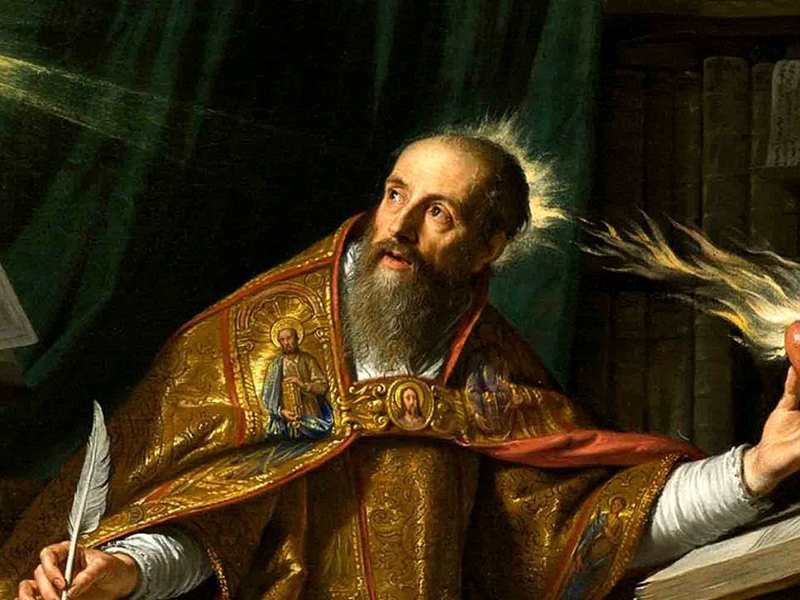
Primacy of Worship for Political Unity

“Unity” is the word of the day. In his inaugural address, Joe Biden invoked St. Augustine to inspire Americans to come together around certain shared values. As others have recently argued, Biden misreads Augustine in important ways. My argument here is that if we seek political unity and civic health…

by James WoodFebruary 23, 2021
arseny-togulev-apq9q5pkits-unsplash
Matthew

Jesus, the Temple Tax and Four-Fold Atonement

This is part two of a series which began here ( The Half Shekel Temple Tax ) in which I answer back, hoping not to rebut but to glorify, some observations Peter Leithart made in a thought-provoking piece about the Temple Tax as atonement ( Atonement Money ). Adding economic…

by Jerry BowyerFebruary 16, 2021
simple-frame-photography-studio-facebook-cover
American Culture

Wokeness as Post-Protestant Neopaganism

It is now commonplace to characterize Wokeness (or “ Wokeism ”) as a religion , or at least religion-like . What I would like to explore is an elaboration on this emergent consensus, supplementing it with some theological analysis. Wokeness, I propose, is a form of post-Protestant neopaganism. It resembles…

by James WoodFebruary 9, 2021
960x0
Movies

Alien 3: Through New Eyes

Science Fiction movies often retell old stories and myths with greater impact for modern people. A being from another world or a technologically advanced human can embody an ancient god or demon and viewers are suddenly unwittingly enthralled by Ur tales that emerged from hundreds of years of human experience.…

by Jacob GuckerFebruary 2, 2021

Showing page 58 of 309

See all

Showing page 7 of 43

See all

Battle of the Soul

Prudentius’s Psychomachia (5 th century AD) is one of the first and one of the most influential of medieval allegories. It is the source of the battle of Virtue and Vice that was one of the key themes of medieval allegory, which carries right into the Elizabethan allegory of Spenser's…

April 27, 2015
johann_gottfried_von_herder_by_john_sartain
Nationalism

Nations: Grown or Imagined?

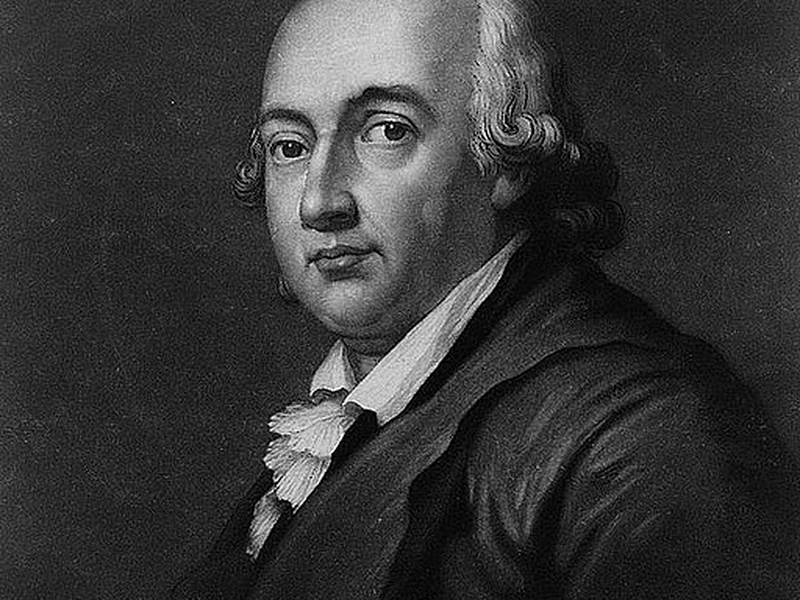
R omantic thinkers like Johann Gottfried Herder, developed an organic conception of nationhood. For Herder, a nation is an extended family, and so a perfect nation, the most natural state, is “one nation, an extended family with one national character." (I rely on this essay by Richard White.) People have…

April 27, 2015

Imagining Finland

Nations are “imagined communities,” and one of the ways nations imagine themselves is to imagine themselves as very, very old. The Finnish epic, the Kalevala , serves as an illustration of the nexus between ancient literature and national identity. Anderson writes ( Imagined Communities , 74-5), “In the eighteenth century…

April 27, 2015

The Un-Dante

In a contribution to Petrarch: A Critical Guide to the Complete Works Teodolinda Barolini contrasts the love poetry of Petrarch's Rerum vulgarium fragmenta (also known as the Canzoniere ) with that of Dante. Petrarch continues the courtly paradigm. His interest is in the shifting psychology and drama of the male…

April 27, 2015

Deflating Humanism

In his E nglish Literature in the Sixteenth Century , CS Lewis makes two deflationary comments about the effects of Renaissance humanism. First, “The ‘barbarous’ books [of medieval Latin] have survived in the only sense that really matters: they are used as their authors meant them to be used. It…

April 24, 2015

Mystic Ark

Conrad Rudolph's The Mystic Ark is the product of impressive scholarship. Its focus is on the image of the mystic ark, a complex cosmic portrait showing “the Majesty” (looking like Jesus) enthroned, flanked by angels, holding a large disk, inscribed with a square turned sideways like a diamond. Inside the…

April 24, 2015

Showing page 435 of 2212

Browse by Category

In Medias Res

Your weekly digest for all things Theopolis.

Donate

Theopolis is nearly 100% donor-supported. Consider joining us on our mission.