Theopolis Logo

Writing

Explore our collection of theological essays, biblical studies, and reflections on faith and culture.

See all
last-supper
Luke

Table Talk

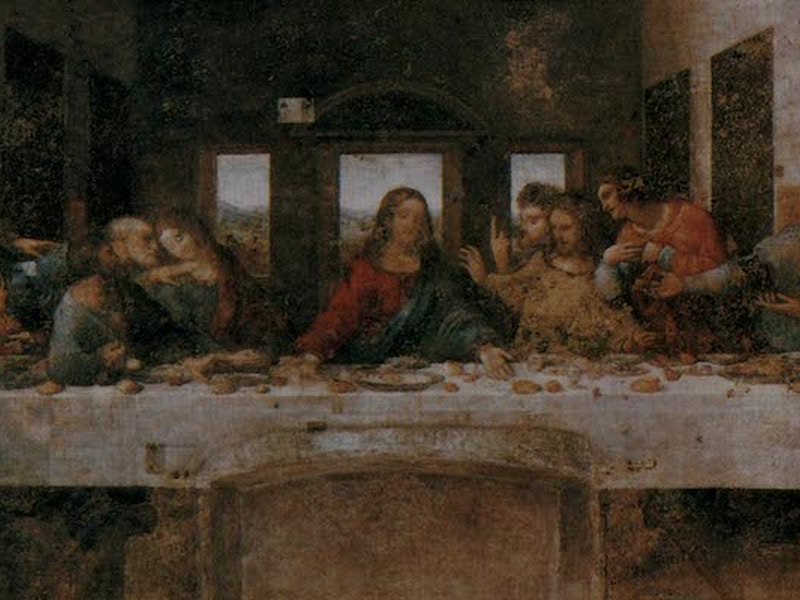
Along His journey to Jerusalem, Jesus stops frequently to have meals, three times with Pharisees (7:37-50; 11:37-54; 14:1-35). Meals were central to Jesus’ ministry. He comes “eating and drinking” (Luke 7:34). While His meals are not just for refreshment, they are opportunities for teaching the protocols of the kingdom. Meals…

by Peter LeithartApril 19, 2016
music-violin
Biblical Theology

A Musical Case for Typological Realism, (Part 4)

Time as a realm of participation can be difficult for us imaginatively to grasp. While music is a profoundly temporal art, exploring the medium of time like no other, most of our temporal experience seems decidedly unmusical in character, disjointed and unorchestrated. The form in which we naturally discover time…

by Alastair RobertsApril 14, 2016
John

Jesus' Burial Clothes

John devotes much attention to Jesus’ burial clothes. He tells us that Nicodemus brought about a hundred pounds of myrrh and aloes to spice Jesus body, and that He was bound in linen wrappings. We find out that His body and His head were wrapped separately. (John 19:39-40; 20:6-7). When…

by James B. JordanApril 12, 2016
clock
Biblical Theology

A Musical Case for Typological Realism, (Part 3)

Thinking about time in terms of music also helps us to appreciate its unity and inner relations. Henri Bergson observes our cultural habit of dividing time into discrete moments, and conceiving of these as if akin to objects in a spatial succession. [1] Against such a notion, Bergson argues for…

by Alastair RobertsApril 7, 2016
screen-shot-2016-03-31-at-9-32-11-am
Biblical Theology

A Musical Case for Typological Realism, (Part 2)

As we attend to these and other aspects of music’s temporality, Begbie suggests, we will find means by which to resist some of our habitual modern ways of conceptualizing time, most especially our tendency to conceive of time as if it were a homogeneous set of technologically quantifiable units laid…

by Alastair RobertsMarch 31, 2016
biblioteca-vasconcelos-crop
Biblical Theology

Systematic Typology (Part Three)

The Hidden Dimension In many fields of scientific study, the apparent complications and contradictions are dispelled once the internal logic is perceived. Biblical hermeneutics is no different, since the author of Creation is the Author of the Word. The Bible’s literary labyrinth radiates organically from an algorithm so simple it…

by Mike BullMarch 29, 2016

Showing page 133 of 309

See all

Showing page 7 of 43

See all
Angels

Angelic Bodies

Paul Griffiths ( Decreation ) ably defends a minority position in the history of theology, namely, that angels are not bodiless, though they are “immaterial.” They are “living creatures with discarnate bodies of energy” (125). To defend this point, he offers this brilliant little analysis of the meaning of “matter”…

March 24, 2015

Eschatological Lamb

The final sequence of Revelation begins with the fourth “in Spirit” vision of John (21:9-10). From that point to the end of the book, the “Lamb” is mentioned 7 times (21:9, 14, 22, 23, 27; 22:1, 3). The Lamb is entering His Sabbath, the wedding feast with His Bridal city.…

March 24, 2015

New Moses

Elijah's life history tracks closely with that of Moses. When he appears on the scene, he curses Israel with drought, then flees the land (1 Kings 17). Like Moses after he killed the Egyptian, he goes out from his people and lives among Gentiles. (Elijah's sojourn in Zarephath also linked…

March 24, 2015

Atonement from Heaven

When the seventh trumpet blows, heaven opens and the ark of the covenant appears (Revelation 11:19). We're in the Most Holy Place. Before the ark-throne are two heavenly signs - a laboring woman and a dragon. It's Zechariah 3, with Satan and the priest Joshua before the throne, Satan accusing.…

March 23, 2015
Creation

Suspended—By What?

Following a long tradition, Paul Griffiths says that creatures who come from nothing are constantly inclined to return to the nihil . We “remain uneasily in being, hovering over the void from which we came” ( Decreation , 142). Venerable as this is, it's misconceived. For starters we can ask…

March 23, 2015

Open ending

As Andrei Zorin argues in a TLS piece this week, Tolstoy intended to defy novelistic convention in writing War and Peace . His book was not a novel, and Tolstoy refused the easy resolutions of the novel genre. Zorin agrees that there is something to this: “In one of the…

March 23, 2015

Showing page 449 of 2212

Browse by Category

In Medias Res

Your weekly digest for all things Theopolis.

Donate

Theopolis is nearly 100% donor-supported. Consider joining us on our mission.