Theopolis Logo

Writing

Explore our collection of theological essays, biblical studies, and reflections on faith and culture.

See all
evangelists
Matthew

Dating Matthew, (Part 1)

When might the Gospel according to Matthew have been written? Of course, any answer can only be speculation, but that does not mean we are reduced to groundless opinion. In this series of articles I point the way to an approach different from the general consensus among scholars today which…

by Ralph Allan SmithNovember 22, 2016
hebrew-manuscript-3
Hermeneutics

Synopticity, (Part 2)

In my first essay on “synopticity” I offered a rather rough definition of the phenomenon and important, though not exhaustive examples. In this essay, I want to introduce broader aspects of the phenomenon of “synopticity.” The first example that I have in mind is conventional stories, stories of different historical…

by Ralph Allan SmithNovember 17, 2016
screen-shot-2016-03-31-at-9-32-11-am
Ascension

Brexit and the Binding of Satan, Part 4

Since the judgment of Babel was followed by the initiation of the circumcision, the impending end of the circumcision in AD70 explains the significance of the first century miracle of foreign tongues. Except for a few Aramaic “teasers” in the book of Daniel, the Word of God was monolingual and…

by Mike BullNovember 15, 2016
four-evangelists
Hermeneutics

Synopticity, (Part 1)

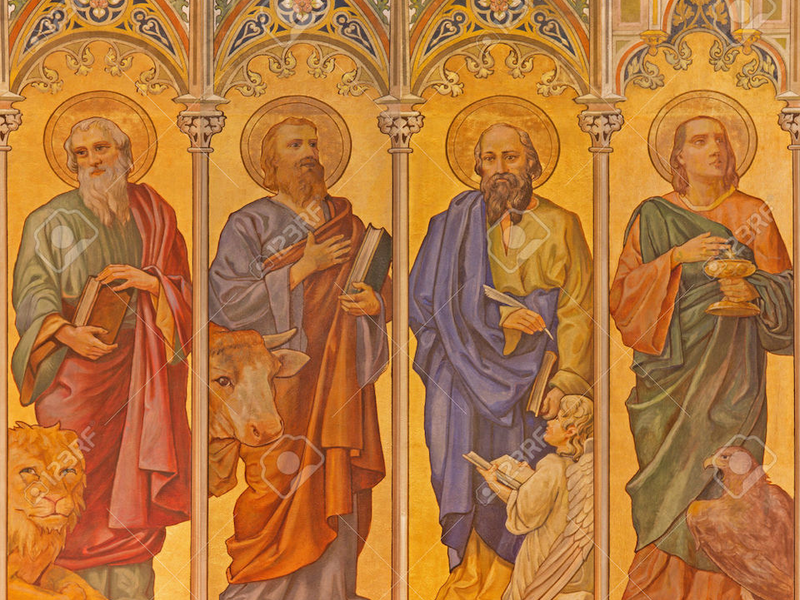
To the best of my knowledge “synopticity” is not a word used in theology or Biblical studies, but it seems an appropriate word to describe the kind of phenomena associated with the Synoptic Gospels, Matthew, Mark, and Luke. These three Gospels tell essentially the same story with significant — sometimes…

by Ralph Allan SmithNovember 10, 2016
laughing_statue_by_xxbobbiie-d5f0meh-2
Humor

Learning to Laugh

Humor is a funny thing. It is altogether familiar yet also mysterious. What makes us laugh? Why do we find things funny? There are academic fields of study dedicated to discovering what makes things humorous. These academicians even have a journal entitled International Journal of Humor Research . No joke.…

by Bill SmithNovember 8, 2016
chaucer
Literature

Flawed Means of Grace: Liturgy in The Pardoner's Tale

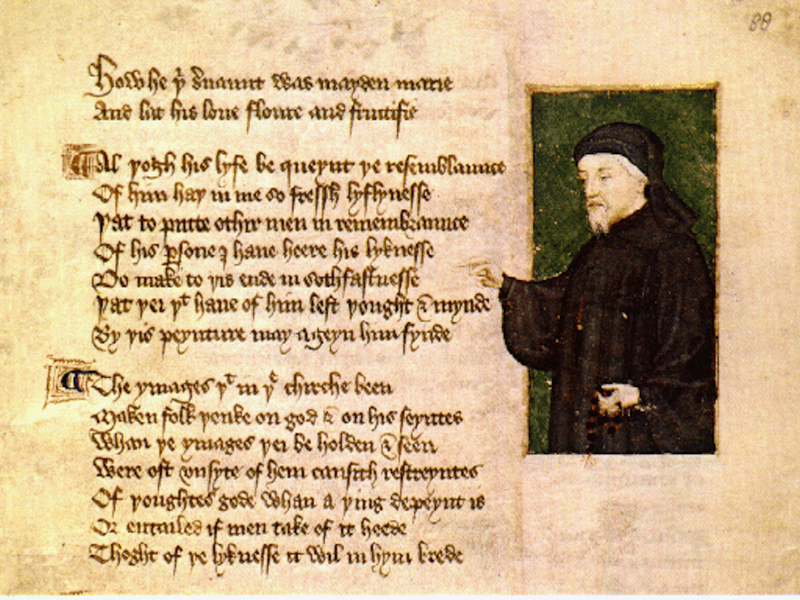
Out of all the characters in Geoffrey Chaucer’s The Canterbury Tales , the Pardoner has been called the “one lost soul.” The pious Parson, who closes out the collection of tales with a sermon on the seven deadly sins and how a sinner can absolve himself of them, connects the…

by Christian LeithartNovember 3, 2016

Showing page 122 of 309

See all

Showing page 7 of 43

See all

Structure in Spenser

The macro-structures of The Fairie Queene become clear if we look at a single book in detail. Book 1 is a good place to start. It is the story of Holiness, focused on the Redcrosse Knight and Una. Redcrosse is called upon to rescue the parents of a damsal in…

March 3, 2015
Literature

50 Shades of Pamela

John Podhoretz ( Weekly Standard , March 2) admits that he giggled his way through Fifty Shades of Grey . The movie. He doesn't seem in a giggly mood about the novels, which he describes as “the worst books I have every read all the way through.” But Podhoretz spots…

March 3, 2015
Ritual

Rituals of Power?

Theodore Vial's Liturgy Wars is a rich and detailed account of the struggle over the change in the baptismal rite in 19th-century Zurich. He picks the knot of this culture war, unraveling the political, theological, and ritual dimensions of the the battle between liberalizing and conserving forces. Vial's aims go…

March 3, 2015

Society v. Culture

Chris Jenks argues in Subculture that “postmodernism’s critical imperative recommending the end of grand narratives is an invitation to dispense with the power/knowledge, truth and authority on which society, and, in many senses, the social bond, of yesterday were established” (3). One of the key theoretical tools has been an…

March 3, 2015

Accommodation

Brian Howell's In the Eyes of God is a substantial contribution to the discussion of theological language and to our understanding of the workings of biblical anthropomorphism. His approach rests on the “three legs” of “the biblical depiction of the divine-human relationship, divine Speech Acts, and context-sensitive metaphorical interpretation” (57).…

March 2, 2015

I Am Welsh

David Hawkes's TLS review of Marisa Cull's Shakespeare's Princes of Wales sums up the influence of Wales on Elizabethan England, and on England's Bard in particular: “The Bard (the very term has a specifically Welsh provenance) had a Welsh grandmother, Alys Griffin. The man who taught him his ‘small Latin,'…

March 2, 2015

Showing page 457 of 2212

Browse by Category

In Medias Res

Your weekly digest for all things Theopolis.

Donate

Theopolis is nearly 100% donor-supported. Consider joining us on our mission.