Theopolis Logo

Writing

Explore our collection of theological essays, biblical studies, and reflections on faith and culture.

See all
trnava-university-beeyeib-am8-unsplash
Biblical Chronology

Meredith G. Kline Strikes Back, Part 2

In our first essay we looked at Kline’s flawed exegesis of Genesis 2:5 as it relates to Day 3 of creation. Now we turn to Kline’s new argument against a chronological reading of Genesis 1, as found, again, in "Space and Time in the Genesis Cosmogony," Perspectives on Science and…

by James B. JordanMarch 29, 1997
30211-bathsheba-800w-tn
Hermeneutics

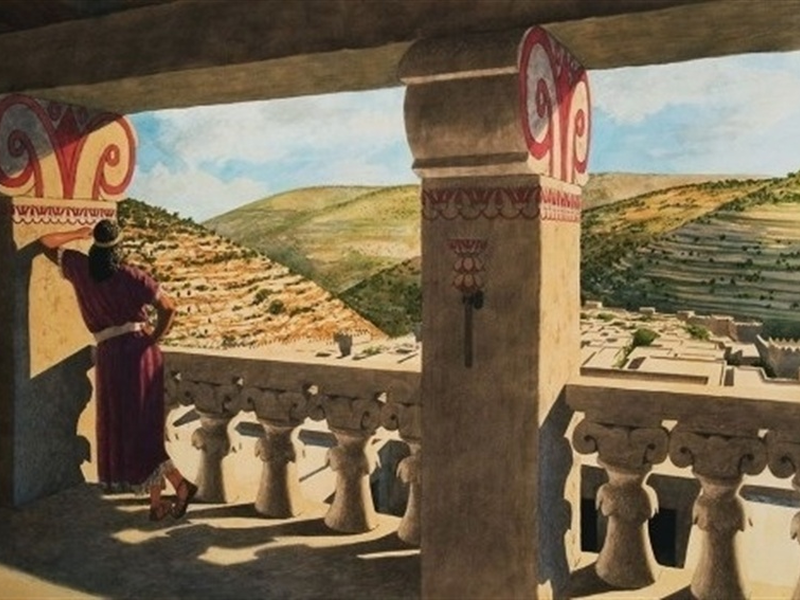
Bathsheba: The Real Story

One of the advantages of paying very close attention to the details in the Bible, especially chronological and genealogical details, is that they can shed light on situations that don’t seem to make much sense apart from them. One such situation is that of Bathsheba. It appears that Bathsheba willingly…

by James B. JordanMarch 28, 1997
jonathan-cooper-ygxq7hfdjzq-unsplash
Church Calendar

Is the Church Year Biblical? | A Parking Lot Parable

Once upon a time, Jeff Meyers and Tony Rollins–old friends who had not seen each other for a few years–met in the parking lot of a neighborhood church. They were dropping off their pre-school children at the church for Mother’s Day Out. They were such conscientious and helpful fathers. As…

by Jeff MeyersMarch 20, 1997
annie-spratt-upxf6to3fea-unsplash
Daniel

The Allegory of Susanna

Years ago, when I was at the briefly-existing Geneva Divinity School, I taught a course in the Apocrypha. One thing that struck me at that time is that two of the stories are almost certainly religious allegories (as well as moral tales): Judith and Susanna. Since "Susanna" means "Lily," this…

by James B. JordanFebruary 28, 1997
serafima-lazarenko-_ivuwprfczi-unsplash
Biblical Horizons

A Blossom of Yahweh’s Field

Peter’s essay inspires me to write up some similar thoughts about the flower of the field. Rightly does Peter associate the almond with Yahweh’s garden, because the Garden of Eden is symbolically positioned as parallel to the Holy Place of the Tabernacle and Temple. To wit: Since Aaron’s rod blossomed…

by James B. JordanFebruary 28, 1997
trnava-university-beeyeib-am8-unsplash
Biblical Chronology

Meredith G. Kline Strikes Back, Part 1

We have had occasion to discuss the views of Meredith G. Kline previously in these newsletters, and now it is time to do so again. Kline teaches at Gordon-Conwell Theological Seminary and also at the Westminster Theological Seminaries (Philadelphia and San Diego). He is the author of some interesting insights…

by James B. JordanFebruary 28, 1997

Showing page 259 of 309

See all

Showing page 7 of 43

See all

Bloody Israel

Leo Oppenheim ( Ancient Mesopotamia , 191-2) observed that the “difference that separates the sacrificial rituals in [Mesopotamia and the West] is the ‘blood consciousness’ of the West, its awareness of the magic power of blood, which is not paralleled in Mesopotamia.” Burning was another key difference: “The Old Testament…

May 30, 2014

Nature and Grace in Genesis

Too much of the discussion of nature and the supernatural is conducted in the idiom of Aristotle rather than the Bible. Most obviously, for Scheeben, Rahner, and even de Lubac (though to a lesser extent), the issue is framed as a question concerning the constitution of human “nature” or the…

May 30, 2014

Dracophage

Israel was forbidden to eat serpent-like creatures who were in the curse-prosecuting dust, crawling on their “bellies” like the snake in the garden (Leviticus 11:42; cf. Genesis 3:14). Christians believe that was not a permanent prohibition. In the new covenant, all foods are available, even serpentine ones (Acts 10-11). Why…

May 30, 2014

Get Me to the Church

Hosea (2:14-20) allegorizes the exodus as a love story. Yahweh lures Israel from Egypt to the wilderness, speaks to her heart, becomes her ‘ish (man) and no longer her Baal (lord, or Baal). Yahweh is promising to take Israel out to the wilderness for a second honeymoon, but that implies…

May 30, 2014

By Sword and Fire

A. Buckler summarizes the evidence for what he describes as “non-Levitical” defilements in the book of Leviticus ( Studies in Sin and Atonement , 269): “In Jeremiah and Ezekiel idolatry defiled the land of God, and in Leviticus all the enormities of the Canaanites defiled the country and would have…

May 29, 2014

Levitical Games

The late Mary Douglas observed in Leviticus as Literature (75) that the list of animal organs for sacrificial animals is very selective: “it is interesting to note how very few items of anatomy receive any mention at all. Conspicuously missing in these chapters is any express mention of neck, heart,…

May 29, 2014

Showing page 598 of 2212

Browse by Category

In Medias Res

Your weekly digest for all things Theopolis.

Donate

Theopolis is nearly 100% donor-supported. Consider joining us on our mission.