Theopolis Logo

Writing

Explore our collection of theological essays, biblical studies, and reflections on faith and culture.

See all
paul-2
Romans

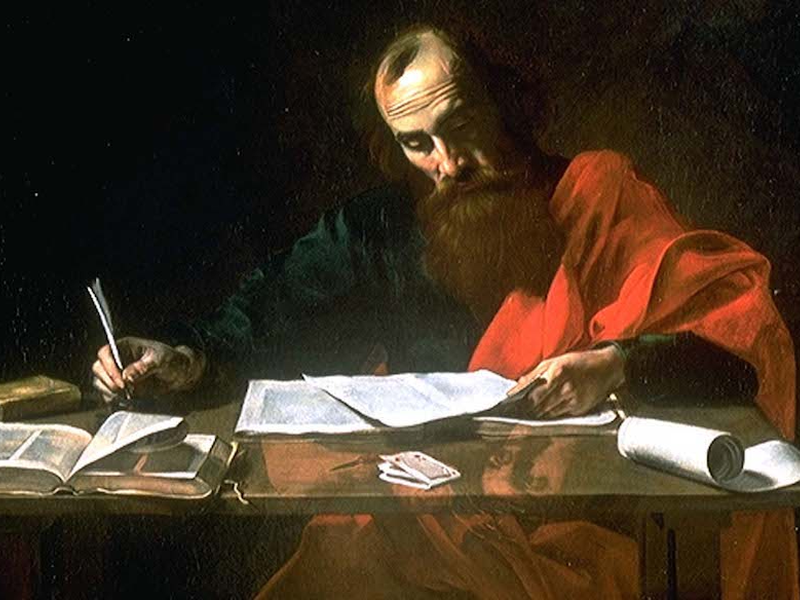
Notes on Scary Stuff in Romans 9

What shall we say then? Is there injustice on God’s part? By no means! For he says to Moses, “I will have mercy on whom I have mercy, and I will have compassion on whom I have compassion.” So then it depends not on human will or exertion, but on…

by Mark HorneFebruary 5, 2015
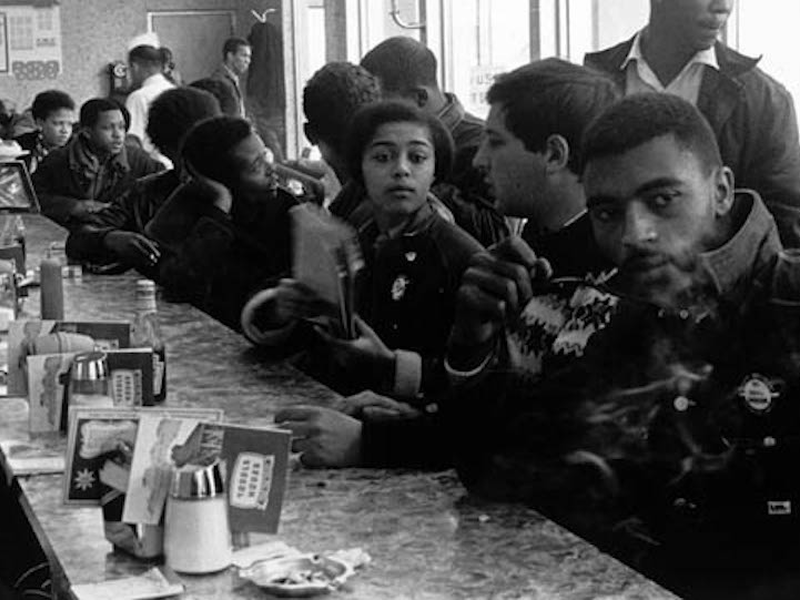
lunch-counter
American Politics

Covenants of Exclusion

A hundred years ago, William Warley signed a contract to buy a house in Louisville, Kentucky from Charles Buchanan, a white man. Before closing the sale, Warley, who was black, learned that the lot was subject to a city ordinance barring blacks from occupying the premises if most of the…

by Brendan O'DonnellFebruary 3, 2015
shakespeare-2
Literature

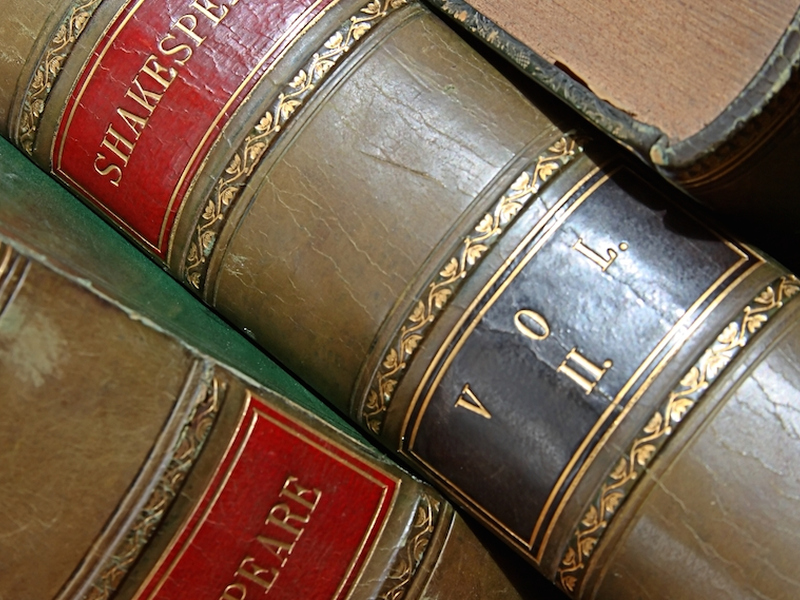
The Bard and the Book

I concluded the first essay on this topic by saying that I would introduce three books about Shakespeare and the Bible, but I decided to introduce four instead. The three books become four are: Naseeb Shaheen, Biblical References in Shakespeare’s Plays (London: Associated University Presses, 1999) ; Hannibal Hamlin, The…

by Ralph Allan SmithJanuary 29, 2015
augustine-2
Augustine

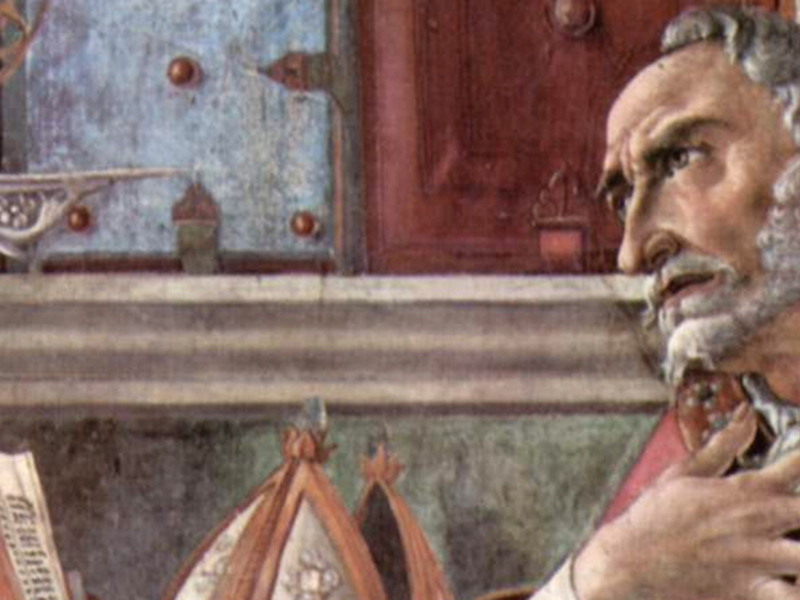
Augustine on Pagan Virtue

My children attend a classical Christian school, situated in the independent “free church” evangelical tradition. Over the past few years they have been growing in their acquaintance with the world of Homer, Plato, Virgil, and Livy. They enjoy it, and I envy it. The school is a great school. My…

by Gerald HiestandJanuary 27, 2015
prodigal-son
Atonement

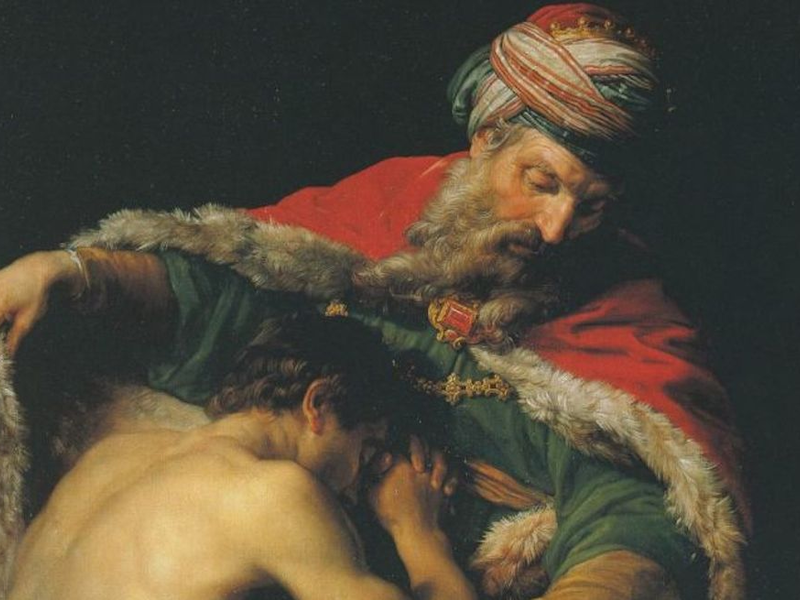
The Prodigal and the Cross

The Prodigal Son parable (Luke 15) has been a favorite of liberal theologians for a couple of centuries. It seems to be a parable designed for liberal sensibilities: An indulgent, accepting Father; forgiveness extended without a cross; a surly older brother who might represent the "conservative" face of religion who…

by Peter LeithartJanuary 22, 2015
sky-from-bridge
Ascension

Underground Man, Ascended Man

“I want now to tell you, gentlemen, whether you care to hear it or not, why I could not even become an insect. I tell you solemnly, that I have many times tried to become an insect. But I was not equal even to that. I swear, gentlemen, that to…

by Richard BledsoeJanuary 20, 2015

Showing page 161 of 309

See all

Showing page 7 of 43

See all

Expulsion and Sacrifice

Finlan ( Paul’s Cultic Atonement Metaphors ) wants to distinguish sharply between sacrifice and the removal ritual of the day of atonement. He is not persuasive. He claims that “Hebrew sacrifice must be performed in the temple, and it is used to cleanse the temple, which is the center and…

February 19, 2014

Care and sacrifice

Finlan doesn’t think there’s any idea of substitution in the sacrificial rites, though there is in the scapegoat ritual ( Paul’s Cultic Atonement Metaphors , 91). To see a penal substitution in sacrifice, “assumes something that is never stated in Hebrew texts: that the animal is being somehow punished.” He…

February 19, 2014

Playing by the Rules

Dorothy Sayers once said that the incarnation and atonement prove that, whatever God may be up to with His world, He is determined to play by the rules. Paul would have agreed. Stephen Finlan writes ( Paul’s Cultic Atonement Metaphors , 101), apropos of Paul’s use of cultic terminology in…

February 19, 2014

On Eagles’ Wings

Yahweh brought Israel out of Egypt “on eagles’ wings” (Exodus 19:4). John A. Davies argues ( A Royal Priesthood ) that this is no trite metaphor: “Representations of [eagles and vultures] are found in close association with royalty in both Egypt and Mesopotamia. A series of temple scenes in Egypt…

February 19, 2014

Imago Dei

Priests have been despised throughout the modern era, but in Scripture the priest is a foretaste of the destiny of the human race. He is a sign of the restoration of the imago Dei . John Davies explains how ( A Royal Priesthood , 164-5): “Just as the original creation…

February 19, 2014

Like Adam

Hosea 6:7 has been a Reformed proof text of an Adamic covenant: They broke covenant like Adam. Recent commentary has been skeptical. “Adam” can mean “mankind,” rather than the individual first man. John Davies ( A Royal Priesthood , 202) thinks the older interpretation, however “unfashionable,” has something to commend…

February 19, 2014

Showing page 678 of 2212

Browse by Category

In Medias Res

Your weekly digest for all things Theopolis.

Donate

Theopolis is nearly 100% donor-supported. Consider joining us on our mission.