Theopolis Logo

Writing

Explore our collection of theological essays, biblical studies, and reflections on faith and culture.

See all
little-girl
Children

Honor God With Your Body

I am making a new rule in our house! We are actually kind of skimpy on the house rules. I try very hard to keep things simple: love God, love others, be joyful. It’s not complicated to avoid discipline here. But I have found myself repeating this new rule over…

by Lindsey TollefsonApril 9, 2015

giotto-noli-me-3
John

The Gardener and the Beloved, (Part 3)

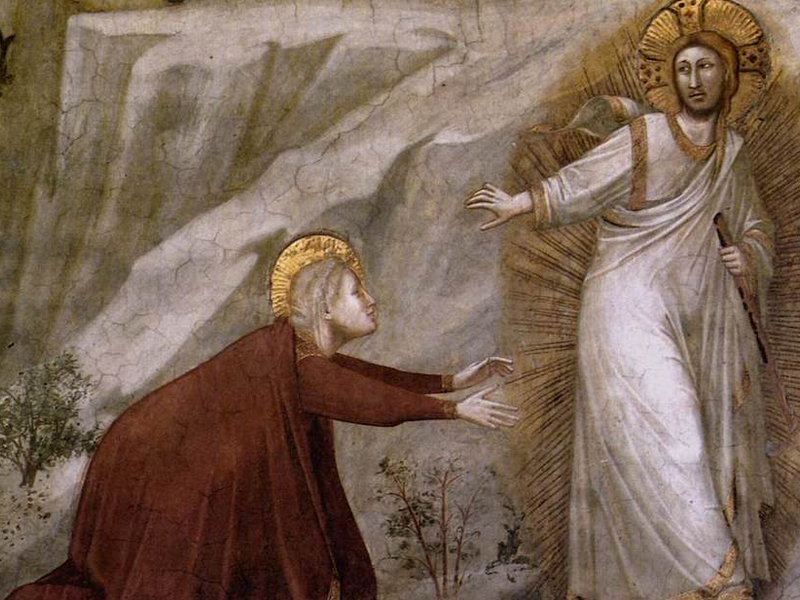
Click HERE for Part 2 The voice of Jesus transforms and changes Mary when she hears him speak her name. This is her last “turning.” So also the woman in the Song of Songs longs to hear the voice of her beloved. Let me see your face, let me hear…

by Jeff MeyersApril 6, 2015
giotto-noli-me-2
John

The Gardener and the Beloved, (Part 2)

Click HERE for Part 1. The details of this story call the attentive reader back to the drama of Solomon’s Song of Songs. And the Song of Song’s alludes to, ties us into the story of Adam and Eve in the Garden and the promise of a coming Messiah that…

by Jeff MeyersApril 4, 2015
easter-term-2015-2
Theopolis News

Easter Term, 2015

“The course was a paradigm shift for me,” said Jonathan Sedlak, a Milwaukee electrical contractor who attended Theopolis’s course on Revelation. “I am left with a book that is far more practical than it has ever seemed before.” Jonathan Anderson of Louisville, Kentucky found the course “refreshing.” “I finished with…

by TheopolisApril 2, 2015
psalm-singing
Genesis

Worship as Response: Liturgical Logic, (Part 1)

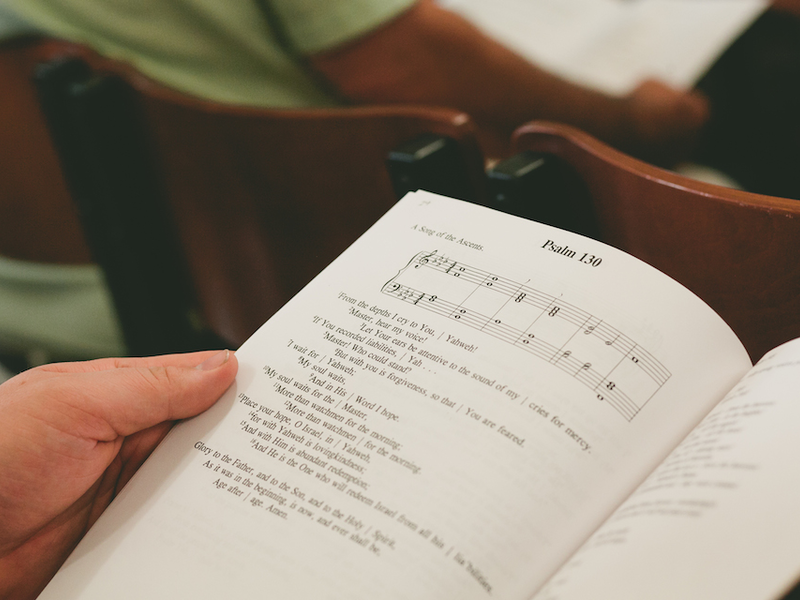
“It is only by participation in a rational, practice-based community that one becomes rational.” – Alasdair MacIntyre It may be perfectly clear to a chef why adding unsifted powdered sugar to a hot frosting is a bad idea. But for an amateur cook, this may be the kind of rule…

by Jonathan BarlowApril 2, 2015
giotto-noli-me
John

The Gardener and the Beloved, (Part 1)

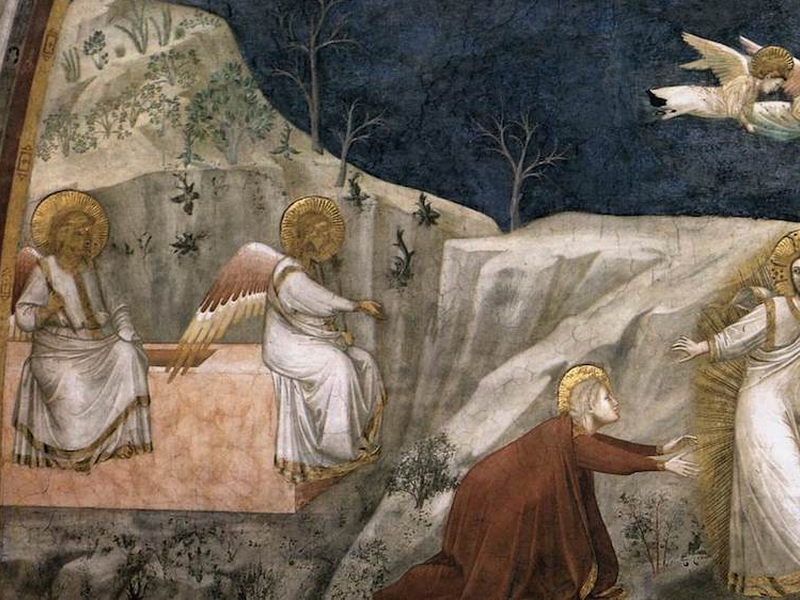
On a fresco in a chapel in Padua, Italy, there is a famous painting depicting the dramatic post-resurrection scene in John 20 with Mary and Jesus outside of the garden tomb. Giotto di Bondone painted it in the early 14th century. Jesus is striding from the tomb with a victor’s…

by Jeff MeyersApril 1, 2015

Showing page 156 of 309

See all

Showing page 7 of 43

See all
Uncategorized

Re-mythologizing Philosophy

Religions, Milbank ( Beyond Secular Order ) argues, do not necessary aim for the ultimate. “Many human religions relate themselves, both theoretically and practically, to a cosmic level which they talce to be less than ultimate - often marked by a mythically narrated violent ‘brealc’ which leaves a reserved space…

January 24, 2014
Uncategorized

Jesus the Bridegroom

Phillip J. Long’s study of Jesus the Bridegroom traces the origins of Jesus’ imagery of the eschatological wedding banquet. Isaiah 25 is typically identified as the background, but Long demonstrates that this passage is part of a rich tapestry of expectation. He draws from historical accounts to describe the hints…

January 24, 2014
Uncategorized

The Humanist Singular

Rosenstock-Huessy offers a test for distinguishing between humanism and faith ( Die Sprache des Menschengeschlects ): Whenever “man” is used in the singular without reference to God, the speaker or writer is giving voice to humanism. The easy liberalism that says “Man creates God is false” not only because man…

January 23, 2014
Uncategorized

Righteous King

Isaiah pronounces a woe against those who “add house to house and join field to field, until there is no room” (5:8). He warns that the houses of the land-greedy elites will be left desolate (v. 6). We can imagine that wealthy landowners took a page from Ahab, who manipulated…

January 23, 2014
Uncategorized

Zoophilia Today

We don’t have to reach back to antiquity to find apologists for bestiality. Midas Dekkers begins his Dearest Pet with some musings that blur the difference between human sex and bestiality: “Back at the boys’ school girls seemed like beings from another planet, so different were they in our eyes.…

January 23, 2014
Uncategorized

Numerical Patterns in Leviticus

Leviticus is full of numerical designs, often using repeated leitworten to highlight themes in a particular section. Chapter 3, for instance, uses the word “fat” ( chalev ) twelve times, and the divine speech that lays out the torot for the various offerings (6:1-7:38) uses the word blood ( dam…

January 23, 2014

Showing page 699 of 2212

Browse by Category

In Medias Res

Your weekly digest for all things Theopolis.

Donate

Theopolis is nearly 100% donor-supported. Consider joining us on our mission.