Theopolis Logo

Writing

Explore our collection of theological essays, biblical studies, and reflections on faith and culture.

See all
306124rgsdl
Job

Job: The Baiting of Satan

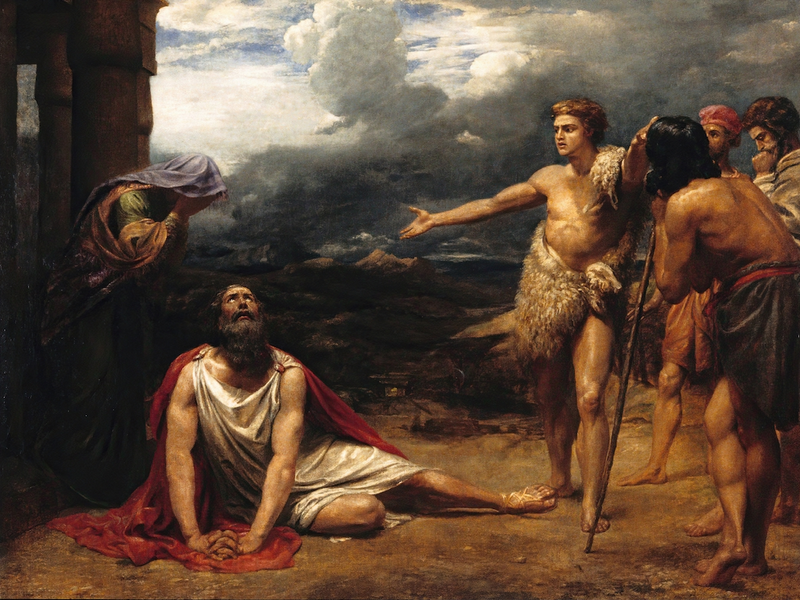
Job appears in the Bible as a true story and it is regarded as such in other Scripture: As an example of suffering and patience, brothers, take the prophets who spoke in the name of the Lord. Behold, we consider those blessed who remained steadfast. You have heard of the…

by Mark HorneNovember 29, 2023

jed-owen-q6y8xr3soqa-unsplash
Feast

Gratitude is a Weapon

Thanksgiving is warfare. Gratitude is a weapon. Wield it well. Give thanks for the preparation. The hustle and bustle, the messy kitchen, the endless cleaning, the extra chairs, and stained tablecloths sing the song of hospitality. God desires that we prepare a place for friends and strangers, feasting and laughing,…

by Kyle LammottNovember 23, 2023
james-coleman-tcgu1vactdw-unsplash
Ecclesiastes

Notes on Ecclesiastes 2

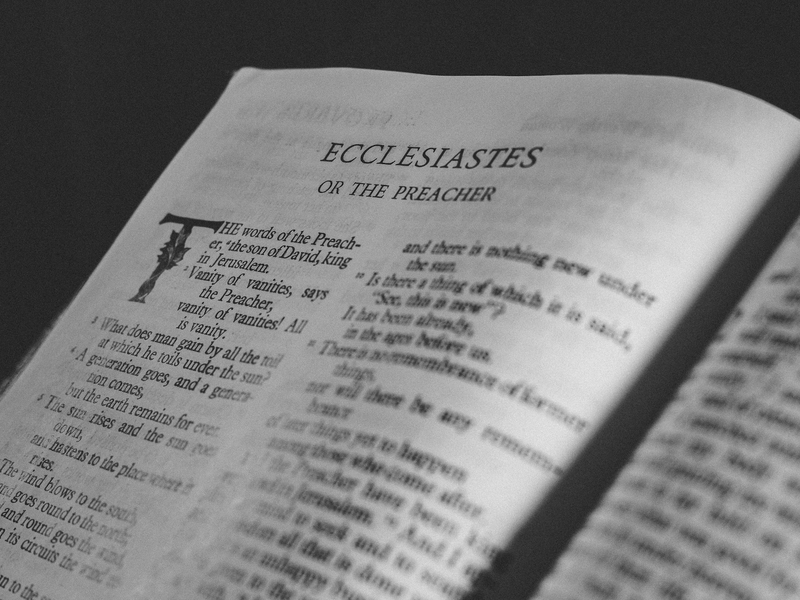
We often hear that, along with Leviticus, Ecclesiastes is the “most peculiar book,” lurking in the Bible’s back alley. 1 But it is high time that we retire this old dirge. God has concealed much gold here, therefore much glory is ours if we are careful to read Solomon’s wisdom…

by Gage CrowderNovember 22, 2023
306124rgsdl
Job

Dominion Mandate Scorecard

1 Do you know when the mountain goats give birth? Do you observe the calving of the does? 2 Can you number the months that they fulfill, and do you know the time when they give birth? Job 39 We have and we do, Lord God. Spring is calving season.…

by Jonathan WhiteNovember 15, 2023
kelly-sikkema-ggs0_g6wi-i-unsplash
Exodus

The Christian Week is a Melody

For six days work may be done, but on the seventh day you shall have a holy day, a Sabbath of complete rest to Yahweh. - Exodus 35:2 The instructions for building the tabernacle end with a Sabbath command and the narrative about building begins with a Sabbath command, before…

by Peter LeithartNovember 8, 2023
giotto_-_scrovegni_-_-31-_-_kiss_of_judas
Sin

Simoniacs in the Bible

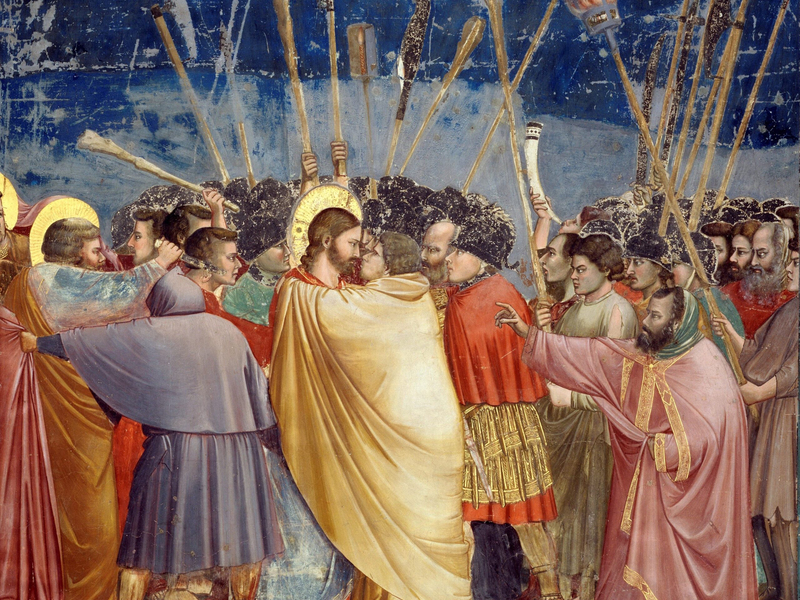
High in the list of now forgotten sins is simony. It was not always so: the medieval schoolmen believed simony to be the worst of ecclesiastical crimes and waged a centuries long campaign to purge the Church of this financial and spiritual corruption. As the schoolmen robustly defined it, “simony…

by Samuel KlumpenhouwerNovember 3, 2023

Showing page 26 of 309

See all

Showing page 7 of 43

See all

The argument of Romans

Mark Horne continues his studies in Romans at the Trinity House site.

June 17, 2013
American Religion

Founded on founding

Prior to the founding of America, argues Hannah Arendt in On Revolution , political orders were justified and legitimated by appeal to absolutes: “a divinity, not nature but nature’s God, not reason but a divinely informed reason” gave validity to political order and buttressed political power. Over time, the early…

June 16, 2013
Philosophy

Piety and Nihilism

Theory, Nietzsche argued, arises from the will to “correct existence.” Taking his cues from Nietzsche, Lyotard describes the difference between “pious” and “pagan” theorizing. The former is guilty of Nietzsche’s charge: Since Plato, Lyotard argues, philosophers have attempted to formulate a perfect theory of justice or freedom on the grounds…

June 16, 2013

New Frontiers

In their contribution to American Space/American Place: Geographies of the Contemporary United States , John Agnew and Joanne Sharp describe the context and import of Frederick Jackson Turner’s famed “Frontier Thesis.” Turner wrote in the context of the downturn of the 1890s, and his argument was partly about the future…

June 16, 2013
Economics

Papal economics

Michael Miller’s essay in Christian Theology and Market Economics focuses on “Business as a moral enterprise.” In part, he offers a summary of John Paul II’s teaching on economics and business, especially as expressed in the encyclical Centessimus Annus . As one might expect, John Paul puts business into the…

June 13, 2013

Productive Money

In his contribution to Christian Theology and Market Economics , Stephen Grabill reviews the “pre-Enlightenment” history of economic theory. That is to say, scholastic economics. For many economic historians, the notion of a scholastic economic theory is fallacious, and Exhibit #1 is always the scholastic prohibition of usury, grounded in…

June 13, 2013

Showing page 719 of 2212

Browse by Category

In Medias Res

Your weekly digest for all things Theopolis.

Donate

Theopolis is nearly 100% donor-supported. Consider joining us on our mission.