Theopolis Logo

Writing

Explore our collection of theological essays, biblical studies, and reflections on faith and culture.

See all
dan-meyers-0agtpoaarte-unsplash
Matthew

Fertile Toledots

The Book of Genesis contains eleven distinct markers readily acknowledged as the toledot formula. 1 Commentator Nahum Sarna counts the ’elleh toledot to be “…one of the distinguishing characteristics of the Book of Genesis”. 2 Among translations, the noun is variously translated as “generations” (ESV, KJV), “records of the generations”…

by Ben LoveladyDecember 20, 2022

49980-nicolas_poussin_-_the_judgment_of_solomon_-_wga18330-800w-tn
Romans

Who was Judah's Wickedest King? (Kings & Romans 1:18ff)

The answer that immediately comes to mind to the question in the title is Manasseh, the son of Hezekiah. He was conceived during the extension of life that God granted Hezekiah in response to his ardent prayer on his sick bed (2 Kings 20:1-11, 21:1). His reign is summarized in…

by Mark HorneDecember 13, 2022
carlos-macias-pu0rodvqjl4-unsplash
Ecclesiology

The End of Premium Mediocre Church

Back in 2019, on a whim, I sketched out a setting for a modern fantasy story: a single coffee shop that is simultaneously present in multiple cities throughout the world: “...you know the one. Books by local authors, brochures for a walking tour of the city’s outdoor sculpture, a poetry…

by Tim NicholsDecember 6, 2022
screen-shot-2022-11-29-at-2-01-18-pm
Colossians

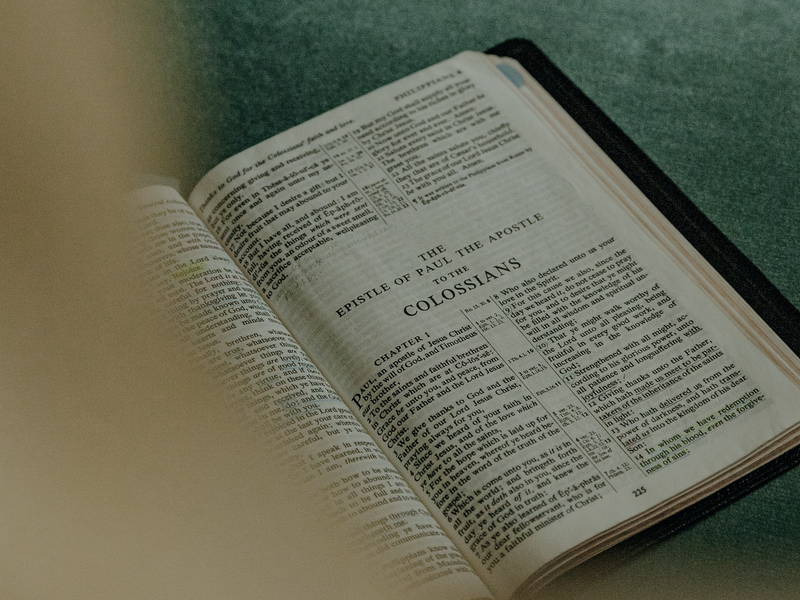
Colossians 4:2, “Watch"

Peter O’Brien’s translation of Colossians 4:2 surprised me: “Persevere in prayer as you watch for the Lord’s return, and be thankful.” 1 What is surprising about that? Well, none of my English translations mentioned “the Lord’s return” — nor does the Greek text! Translated literally, the verse just says: “In…

by Ralph Allan SmithNovember 29, 2022
cicero-denounces-catiline-painting-roman-cesare-maccari-1888
Books

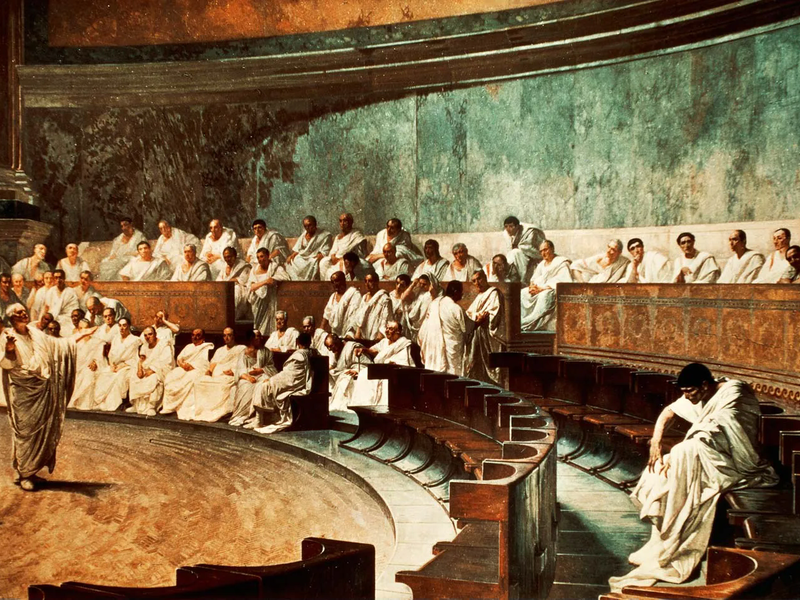
The Laws and the Cosmos: A Brief Response to Stephen Wolfe on Cicero

I Natural Law This is a brief (well, briefer than it could be) first attempt at responding to a very small section of Stephen Wolfe’s recent book The Case for Christian Nationalism . It’s partial, deeply incomplete, and does not at all address the book as a whole; it is…

by Susannah Black RobertsNovember 24, 2022
giammarco-zeh-ljawhtg-unsplash
Formation

A Bad Man Speaking Well

The scuttlebutt of the last hundred years would tell us that Albert Einstein was a horrible husband, Winston Churchill was a racist, Mother Theresa was a hypocrite, and Caravaggio a murderer. From Benjamin Britten’s boys to Gandhi’s girls, it can be depressing and confusing to hear about people of great…

by Garrett SoucyNovember 22, 2022

Showing page 37 of 309

See all

Showing page 7 of 43

See all

Abraham the Rock

Abraham is a rock (Isaiah 51). What does that mean? He’s a chip off the Rock of Israel, Yahweh himself. No matter how much you water them, rocks don’t grow into rock gardens, but Abraham becomes a garden because He is blessed by the Lord. Abraham the rock grows to…

March 7, 2013

Full of fury

At the end of Isaiah 51, the prophet uses the image of the cup of wrath (cf. Psalm 75; Jeremiah 25; Revelation 18). Jerusalem has drunk so much that she has been asleep; she stumbles around without anyone to help her (v. 18). No one can help because all her…

March 7, 2013

Four by Four Equals Six

Isaiah 3 promises “comfort” for barren, bereft mother Zion. Comfort isn’t just soothing pain, but a change of condition. Yahweh brings comfort because He brings justice, establishing righteousness. The comfort is spelled out in a lovely list: From her wilderness as Eden From the Arabah as the garden of God…

March 7, 2013

Hewn from the Rock

Isaiah tells the people of Judah to look to the “rock from which you were hewn, and to the cistern from which you were dug” (Isaiah 51:1). The next verse makes it clear that he is talking about Abraham and Sarah. Abraham the father is the rock; mother Sarah is…

March 7, 2013

Uti and Frui

In his recent Theology of Augustine: An Introductory Guide to His Most Important Works (6-7), Matthew Levering offers this summary of Augustine’s distinction between use and enjoyment, uti and frui : “In loving our neighbors and ourselves, we should do nothing that is not also fully and truly love of…

March 7, 2013

Shared Glory

When he turned proud and boasted in the “power and glory of my majesty” (Daniel 4:30), Nebuchadnezzar was “driven away from mankind and began eating grass like cattle” (v. 33). Boasting in glory diminished his glory. He later came to his senses, and coming to his senses meant confessing that…

March 7, 2013

Showing page 781 of 2212

Browse by Category

In Medias Res

Your weekly digest for all things Theopolis.

Donate

Theopolis is nearly 100% donor-supported. Consider joining us on our mission.