Theopolis Logo

Writing

Explore our collection of theological essays, biblical studies, and reflections on faith and culture.

See all
1ramoth-baptist-church-of-christ-7-bible
Pastoral Ministry

Rural Church Growth

I've pastored a very rural church for well over a decade. Our town has about 1,000 people and will never grow until Jesus returns. 38 people attend our worship on Sundays. Here's a quick list of what we’ve done to grow our church, and what I’ve done to survive pastorally.…

by TheopolisAugust 10, 2017

tim-marshall-k2u71wv2ei4-unsplash
Art

Letter to a Young Artist

Thanks for sharing so honestly about your current crisis of creativity. I totally understand and relate to that; it’s happened many times in my musical life thus far, and I’ve begun to accept it as a normal rhythm of the creative process. I actually went through a serious dry spell…

by Joel ClarksonAugust 8, 2017
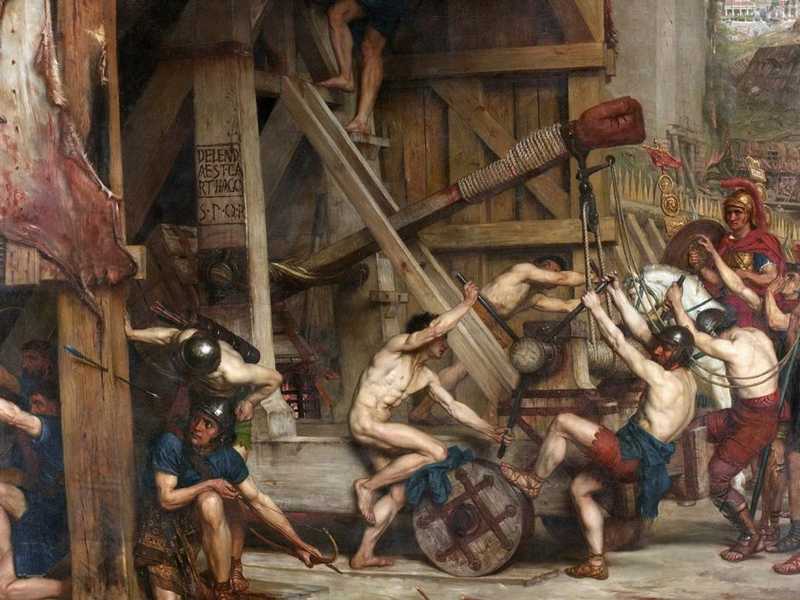
catapult-poynter-crop-ti
Biblical Theology

Stones and Fruit: Divination and Procreation – (Part 3)

The Broken Stones of Israel At Sinai, the tablets of the Law of Moses were broken and restored. The Old Testament is a history of “new covenants,” including that promised in Jeremiah and fulfilled in Zechariah. Ultimately, the vertical Oath and the horizontal Sanctions met in the death of Jesus…

by Mike BullAugust 3, 2017
resurrection-2
Isaiah

God's Market, the Church

Woe to the sinful nation. Woe to those who enlarge their estates and build their portfolios. Woe to the drunks. Woe to those who call evil good and good evil. Woe to the proud who are wise in their own eyes. Woe to Congressmen who pass unjust laws and to…

by Peter LeithartAugust 1, 2017
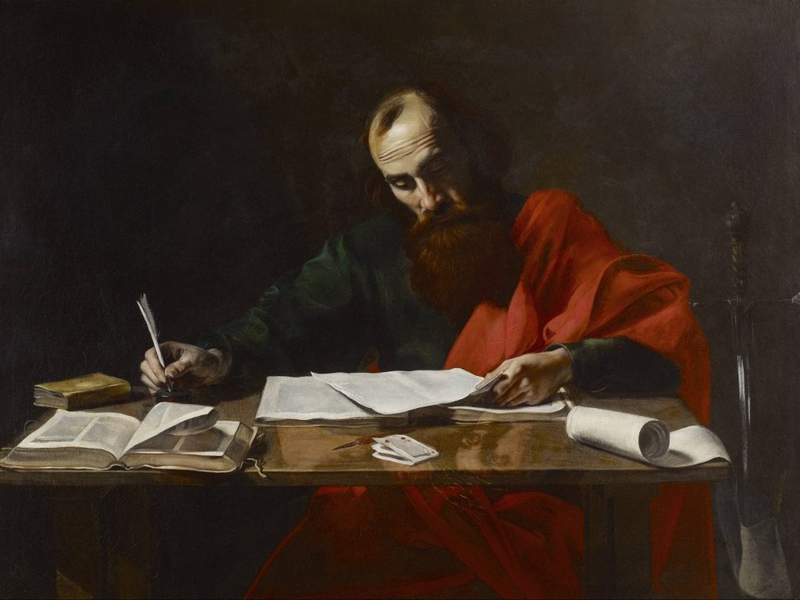
paul
Romans

In the Flesh: Then and Now

The interpretation of Romans 7:7-25 is notoriously difficult. Good scholars disagree on many aspects of the passage, but the central interpretative difficulty concerns the identity of the “I.” Is Paul referring to himself? Is Paul referring to himself pre- or post-conversion? Does the “I” refer to Adam? Is the “I”…

by Bill SmithJuly 27, 2017
e99a1883
How to Worship

The Minister's Uniform

You board the Metra train at Arlington Heights station one afternoon, heading to downtown Chicago for some sight-seeing. As the train departs from the station, a man in jeans, a striped t-shirt, and a Kansas City Royals baseball cap enters your train car, and begins asking to see each passenger’s…

by Jon HerrJuly 25, 2017

Showing page 108 of 309

See all

Showing page 7 of 43

See all

At the breast

The Torah never mentions breasts as an object of erotic fascination; they are solely nourishment for infants. In the wisdom literature, things are different. Solomon encourages young men to delight in the breasts of their wives - not of another, a strange woman (Proverbs 5) -, and in the Song…

February 14, 2013

Uncontained beauty

Solomon describes the beauty of his beloved in a neat and symmetrical poem in Song of Songs 7:1-6. Framed by “how beautiful you are” (vv. 1, 6), the poem describes ten features of her body. He starts with her feet and his gaze makes its way up. The ten features…

February 14, 2013
Literature

Books and Covers

The old adage applies in spades to the covers of Pride and Prejudice sampled in the NYTBR . Don’t judge the book by any of these covers, especially the Lady Godiva, the Twilight knock-off, and the “smokin’ bad boy Darcy” ones.

February 14, 2013

Concealed technology

Technology promises to accomplish the same things that have always been done more efficiently. Borgmann is skeptical ( Technology and the Character of Contemporary Life: A Philosophical Inquiry ) (45-46), and he summarizes George Sturt’s The Wheelwright’s Shop (Craftsman) to explain the notion of the “concealment” of technology, the fact…

February 14, 2013

Devices and Machinery

In his Technology and the Character of Contemporary Life: A Philosophical Inquiry , Albert Borgmann makes a crucial distinction between a technical device and its machinery. This is “a specific instance of the means-ends distinction” (43), the machinery being the means by which the device becomes useful to its user.…

February 14, 2013
Uncategorized

Literary Names

Claude Rawson’s review of Alastair Fowler’s Literary Names: Personal Names in English Literature focuses on names used to mock and deride. Swift, for instance, “attached enormous importance to naming and not being named (a characteristic Fowler incidentally identifies with Milton’s fallen angels). Swift scrupulously marked with an ‘X; every reference…

February 14, 2013

Showing page 795 of 2212

Browse by Category

In Medias Res

Your weekly digest for all things Theopolis.

Donate

Theopolis is nearly 100% donor-supported. Consider joining us on our mission.