Theopolis Logo

Writing

Explore our collection of theological essays, biblical studies, and reflections on faith and culture.

See all
trnava-university-beeyeib-am8-unsplash
Biblical Chronology

Meredith G. Kline Strikes Back, Part 2

In our first essay we looked at Kline’s flawed exegesis of Genesis 2:5 as it relates to Day 3 of creation. Now we turn to Kline’s new argument against a chronological reading of Genesis 1, as found, again, in "Space and Time in the Genesis Cosmogony," Perspectives on Science and…

by James B. JordanMarch 29, 1997
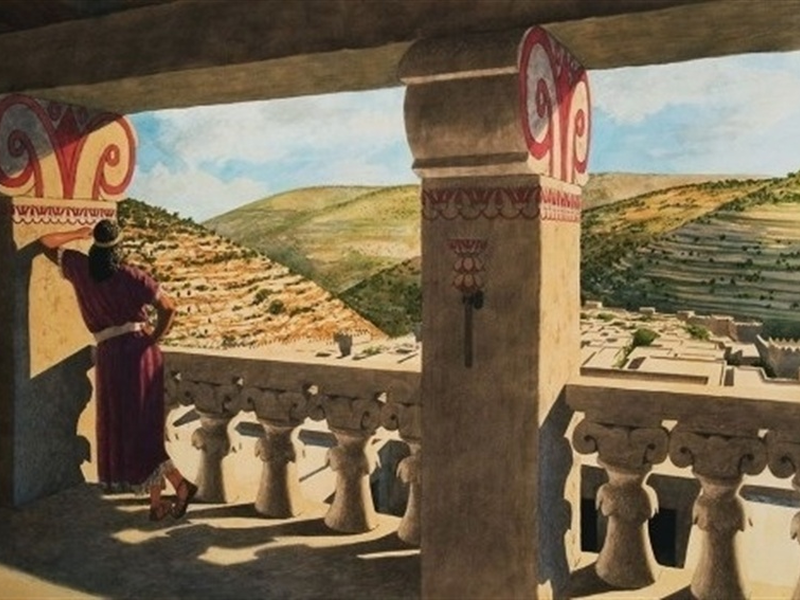
30211-bathsheba-800w-tn
Hermeneutics

Bathsheba: The Real Story

One of the advantages of paying very close attention to the details in the Bible, especially chronological and genealogical details, is that they can shed light on situations that don’t seem to make much sense apart from them. One such situation is that of Bathsheba. It appears that Bathsheba willingly…

by James B. JordanMarch 28, 1997
jonathan-cooper-ygxq7hfdjzq-unsplash
Church Calendar

Is the Church Year Biblical? | A Parking Lot Parable

Once upon a time, Jeff Meyers and Tony Rollins–old friends who had not seen each other for a few years–met in the parking lot of a neighborhood church. They were dropping off their pre-school children at the church for Mother’s Day Out. They were such conscientious and helpful fathers. As…

by Jeff MeyersMarch 20, 1997
annie-spratt-upxf6to3fea-unsplash
Daniel

The Allegory of Susanna

Years ago, when I was at the briefly-existing Geneva Divinity School, I taught a course in the Apocrypha. One thing that struck me at that time is that two of the stories are almost certainly religious allegories (as well as moral tales): Judith and Susanna. Since "Susanna" means "Lily," this…

by James B. JordanFebruary 28, 1997
serafima-lazarenko-_ivuwprfczi-unsplash
Biblical Horizons

A Blossom of Yahweh’s Field

Peter’s essay inspires me to write up some similar thoughts about the flower of the field. Rightly does Peter associate the almond with Yahweh’s garden, because the Garden of Eden is symbolically positioned as parallel to the Holy Place of the Tabernacle and Temple. To wit: Since Aaron’s rod blossomed…

by James B. JordanFebruary 28, 1997
trnava-university-beeyeib-am8-unsplash
Biblical Chronology

Meredith G. Kline Strikes Back, Part 1

We have had occasion to discuss the views of Meredith G. Kline previously in these newsletters, and now it is time to do so again. Kline teaches at Gordon-Conwell Theological Seminary and also at the Westminster Theological Seminaries (Philadelphia and San Diego). He is the author of some interesting insights…

by James B. JordanFebruary 28, 1997

Showing page 259 of 309

See all

Showing page 7 of 43

See all
Uncategorized

Eliminative materialism

In an essay on Thomas Nagel’s recent Mind and Cosmos: Why the Materialist Neo-Darwinian Conception of Nature Is Almost Certainly False , Edward Feser (at firstthings.com) describes what he calls the “eliminative materialism” that is strongly implied in post-Cartesian philosophy. Feser writes, “On the new view of nature inaugurated by…

October 18, 2012

Divided Exile

“In the thirty-seventh year of the exile of Jehoiachin king of Judah . . . Eval-merodach king of Babylon . . . released Jehoiachin king of Judah from prison” (2 Kings 25:27). Jehoiachin was elevated above other kings, given royal robes, and allowed to sit at the table of the…

October 18, 2012

Fatal Flaw

As John H. McKenna sees it ( Become What You Receive: A Systematic Study of the Eucharist (Hillenbrand Books) , 207 ), neither Protestants nor Catholics started from the right spot in debating Eucharistic sacrifice. The “fatal flaw” in both was the equation of sacrifice with immolation. Catholic equated the…

October 17, 2012

Comforting judgment

Adam Smith distinguishes between what is praised and what is praiseworthy, between being loved and being lovely. What we desire is “that thing which is the natural and proper object of love”; what we really want is “not only praise but praiseworthiness,” praise for those things that are the proper…

October 17, 2012
Philosophy

Sympathy, imagination, virtue, concord

According to Adam Smith’s The Theory of Moral Sentiments , sympathy is necessary to maintain concord in the midst of passionate disagreement. So long as disagreements and divergence of sentiment focus on minor topics, they are tolerable: “I can much more easily overlook the want of this correspondence of sentiments…

October 17, 2012
History

Possessive individualism?

Who said this? “The distinguishing feature of the community and the city is that every individual should maintain free and undisturbed control of his possessions.” And: “those charged with the defence of the state will dissociate themselves from the kind of lavish distribution which robs Peter to pay Paul. Their…

October 17, 2012

Showing page 859 of 2212

Browse by Category

In Medias Res

Your weekly digest for all things Theopolis.

Donate

Theopolis is nearly 100% donor-supported. Consider joining us on our mission.