Theopolis Logo

Writing

Explore our collection of theological essays, biblical studies, and reflections on faith and culture.

See all
cloister

Gatekeepers

1 Chronicles 9:1 seems to bring the genealogies of 1 Chronicles to an end. The Chronicler has recorded the genealogy of the human race from Adam, focusing on the descendants of Abraham through Jacob. Summing it all up, he says, “So all Israel was enrolled by genealogies; and behold, they…

by Peter LeithartJune 21, 2016
trinity-1-2
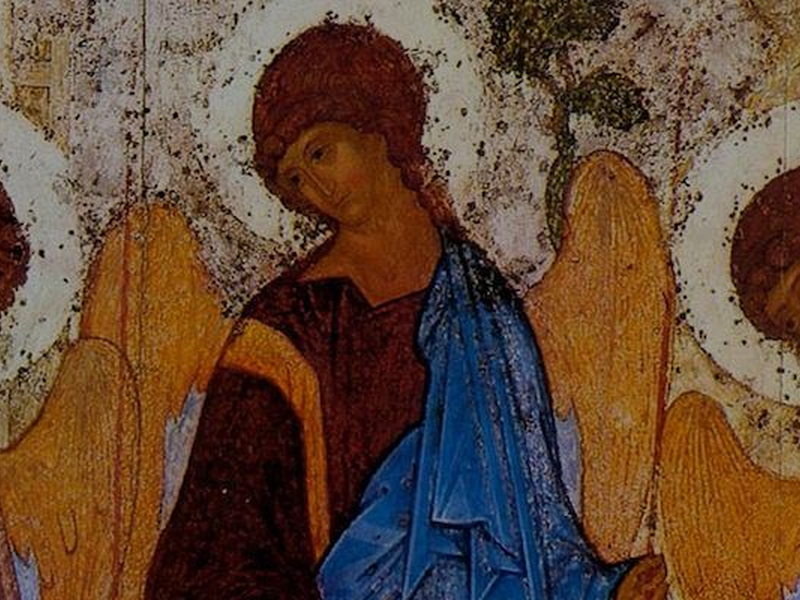
Trinity

Are the Divine Persons Persons?

The “personalist” understanding of the Trinity, articulated most influentially in the work of John Zizioulas, has fallen on hard times. Recent scholars have attacked Zizioulas’s idea that Cappadocian Trinitarianism represented an ontological revolution, hammering on the distinction between divine and human personhood. Michel Barnes’s conclusion is the most drastic of…

by Peter LeithartJune 16, 2016
img_4660-2
Architecture

On Biblical Theology

Biblical Theology is often defined as the historical unfolding of God’s revelation, or of God’s revelation and of the history of his covenantal redemption and transformation of humanity and the world. In practice, Biblical Theology is usually broader than this, and also includes the study of literary structure and of…

by James B. JordanJune 14, 2016
laughing_statue_by_xxbobbiie-d5f0meh-2
Humor

Wise Laughter

We are made to be happy. Created to enter into the eternal joy of God, our whole being inclines to that end, but the fallen world has put forth barriers and by our own sin we bar ourselves from that endless delight, and death blinds us to that reality. Yet…

by Remy WilkinsJune 7, 2016
img_7664
Liturgy

Why Theopolis? Take Two

At the end of Revelation, John sees the heavenly city descending to earth. The city shines with the brilliance of God's glory, which lightens the nations, so that kings bring their glory to the city. This is not a vision of the final new heaven and new earth. It's a…

by Peter LeithartJune 2, 2016
trinity-1-2
Attributes of God

How Can We Talk About God?

“No one has ever seen God,” writes John (John 1:18). If this is the case, then how can we speak about God? Some people say we actually cannot. Or at least we cannot speak about God positively, i.e. who He is. We can only say who or what God is…

by Bogumil JarmulakMay 31, 2016

Showing page 130 of 309

See all

Showing page 8 of 43

See all

Bible v. Myth

Considering the roots of contemporary "new nationalism," David Goldman contrasts the biblical roots of Anglo-American nationalism with the mythical roots of German nationalism. He suggests that Christianity faces a "conundrum," since, unlike Judaism, its spiritual and ethnic origins are not identical: Christianity "sees its spiritual origin at Golgotha but its…

December 8, 2017

Drama of God

John Frame is engaged in a battle over "classical theism" or "scholasticism" as articulated by James Dolezal (about whom I've written here ). Leave the terminology aside. Frame gets to the heart of the question, and gets it right: "The main content of Scripture is not that God is simple…

December 8, 2017

Fifth Gospel

Isaiah reads like a “greatest hits” of Messianic prophecy. Isaiah prophesies the birth of the Messiah: "Therefore the Lord Himself will give you a sign: Behold, the virgin shall conceive and bear a Son, and shall call His name Immanuel" (Isaiah 7). "He prophesies the fact that the Messiah will…

December 7, 2017

What Is Prophecy?

Christian conceptions of prophecy are sometimes a mish-mash of ancient and modern conceptions. Plato thought prophecy a form of divine madness, somehow analogous to the madness of poetry and love. In the Phaedrus , Socrates says:"The divine madness was subdivided into four kinds, prophetic, initiatory, poetic, erotic, having four gods…

December 7, 2017

God Speaks in Flesh

At the climax of John’s prologue he announces the beginning of the gospel: The Word became flesh. John has already told us a good bit about that word. The Word was “in the beginning.” John refers to the opening verse of the Bible, where we learn that the Creator is…

December 6, 2017

The Power of Procreation

"The power of procreation and the power of conviction together confer on us, thanks to marriage, the combine strength of making epochs." So writes Eugen Rosenstock-Huessy ( In the Cross of Reality , 212). Marriage infuses new life into society, the possibility of peace. Without marriage, societies "cool down" into…

December 5, 2017

Showing page 116 of 2212

Browse by Category

In Medias Res

Your weekly digest for all things Theopolis.

Donate

Theopolis is nearly 100% donor-supported. Consider joining us on our mission.