Theopolis Logo

Writing

Explore our collection of theological essays, biblical studies, and reflections on faith and culture.

See all
woman-bw
Grace

Never Be Dismayed

I'm afraid of messing up. Not just of messing up in general, but of messing this up—the big This that is the story that is my life, the story that God is attempting to tell with me as His material. The question casts its shadow over all my decisions. Can…

by Leta SundetOctober 6, 2015
jesus-with-sword
Revelation

Greater Phinehas

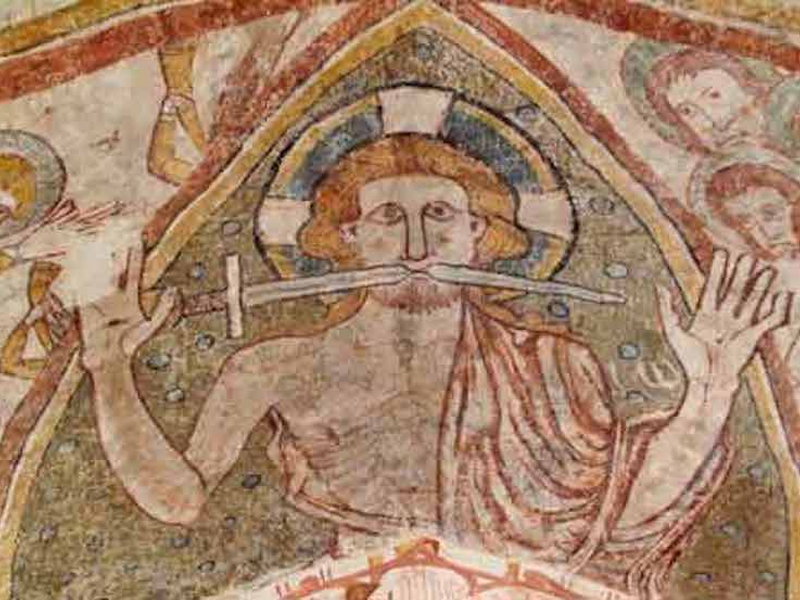
Jesus’ letter to Pergamum mentions Balaam and Balak (Revelation 2:14), and that is a signal that the whole message is running along the lines of Numbers 22-25. The death of the high priest is a sacrificial moment in the life of Israel. According to the rules of the cities of…

by Peter LeithartOctober 1, 2015
marriage
Marriage

The Glory of Self-Giving: A Wedding Homily

As you come to be joined in marriage today, I want to take a moment to focus on one important dimension of what it means to be married as Christians: that is as those who know Jesus and are being made into His likeness. This is a glorious day, full…

by Joshua AppelSeptember 29, 2015
jesus-centurion
Authority

Authority and Faith

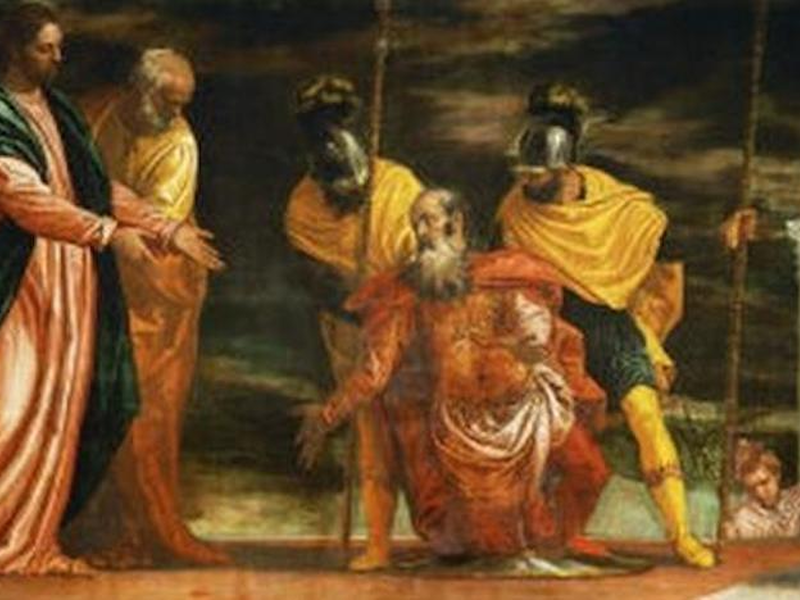
When Jesus was entered into Capernaum, there came unto him a centurion, beseeching him, saying, “Lord, my servant lieth at home sick of the palsy, grievously tormented.” Jesus saith unto him, “I will come and heal him.” The centurion answered and said, “Lord, I am not worthy that thou shouldest…

by Lindsey TollefsonSeptember 24, 2015
creation-eve-2
Genesis

The Two Shall Become One Flesh: A Wedding Homily

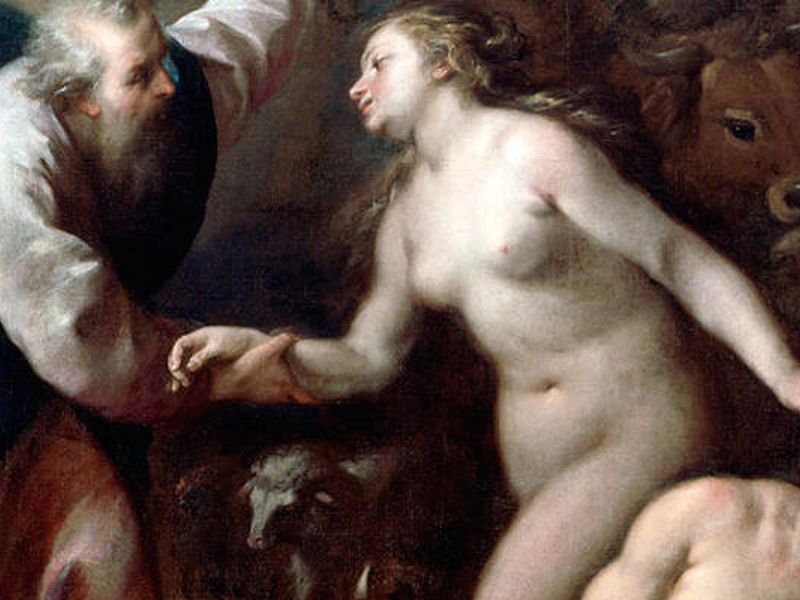
Philosophers have measured mountains, Fathom'd the depths of seas, of states, and kings, Walk'd with a staff to heaven, and traced fountains But there are two vast, spacious things, The which to measure it doth more behove: Yet few there are that sound them; Sin and Love. The Agonie –…

by Joshua AppelSeptember 22, 2015
john-baptist-pointing
Luke

Of Sandals and Heroes

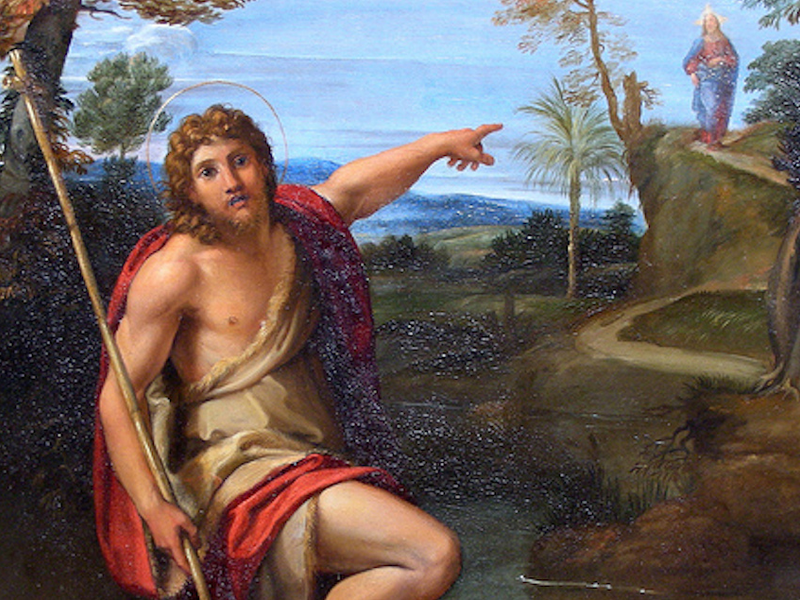
The third chapter of Luke famously opens with a list of mighty men, seven mighty men, potential heroes of the Mediterranean world. Beginning with Tiberius Caesar and Pontius Pilate, passing on to Herod the Tetrarch and his brothers, and ending with two High Priests, Luke says that the word of…

by Toby SumpterSeptember 17, 2015

Showing page 143 of 309

See all

Showing page 8 of 43

See all
Theology

Angels and progress again

From Australia, reader Mike Bull responds to my earlier post: I recently heard a pastor from southern India speak, and it sounds like ‘enchantment’ is still as powerful as it ever was (although, despite his hair-raising stories, it seems the best Satan can do to the saints in India at…

June 17, 2008
History

Idle warriors

An eighteenth-century French missionary, Joseph-Francois Lafitau, wrote of the Iroquois: “The men who are so idle in their villages, regard their indolence as a sign of glory in order to make everyone understand that they are actually only born for the great things and particularly for war. For there they…

June 17, 2008
Theology

Angels and progress

Thoughts from what Jim Jordan calls the “deep weird”:In Revelation, the angelic elders give up their crowns at the outset, and at the end of the book the saints are enthroned for a thousand years. Revelation depicts a transition from angelic to human government. Angels, Scripture tells us, are somehow…

June 17, 2008
History

Masks and clocks

Elias wryly comments that in urban societies the manufacture and use of clocks is similar to the use of masks in tribal cultures: “one knows they are made by people but they are experienced as if they represented an extra-human existence. Masks appear as embodiments of spirits. Clocks appear as…

June 17, 2008
Philosophy

Trained Ego

Elias challenges the Cartesian method of doubt, arguing that Descartes scrums around to get beneath all he’s picked up and finds, at bottom, things he’s picked up: “he is supposed to penetrate in his meditation, all on his own, to a layer of his own intellect believed, in accordance with…

June 17, 2008
History

January 1

Norbert Elias ( An Essay on Time ) writes that “for a long time . . . there were, even within one and the same state, traditional local diversities with regard to the beginning of a year, and thus to its end. As far as one can see, it was…

June 17, 2008

Showing page 1504 of 2212

Browse by Category

In Medias Res

Your weekly digest for all things Theopolis.

Donate

Theopolis is nearly 100% donor-supported. Consider joining us on our mission.