Theopolis Logo

Writing

Explore our collection of theological essays, biblical studies, and reflections on faith and culture.

See all
hrant-khachatryan-v9shuz11lmk-unsplash

Soothing Pain is not Enough

In Infantilised: How Our Culture Killed Adulthood (2024), Keith Hayward says that we live in a “therapy culture.” This is “a way of thinking” about upbringing and education “when the values and language of counseling and psychotherapy break out from the clinical setting and take hold within the cultural imagination…

by Bogumil JarmulakJune 5, 2025
5f99916b1e851f0d857b564d_abraham-egypt5
Biblical Theology

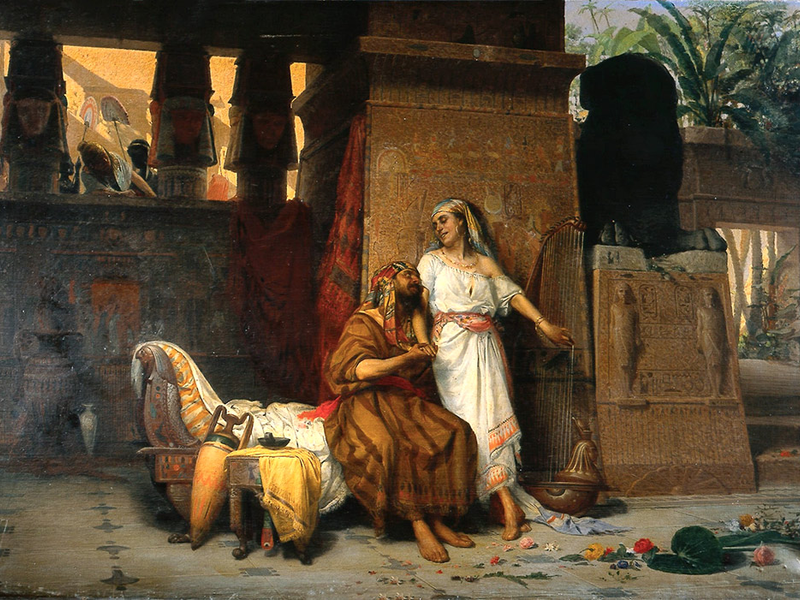
Sarah, Abraham’s Helper

In Genesis 20:13, Abraham reveals that when he and his wife left their father’s house, he asked Sarah to call him her brother, not her husband. Abraham looked ahead to the land before them, a land full of violence, and he didn’t trust men there. He believed they would see…

by Donald LinnemeyerJune 3, 2025
skyler-gerald-leldt4_ku4y-unsplash
Biblical Studies

Why You Should Read the Biblical Languages

Introduction I am sitting in a rural village in the northern part of a West African country. I’m in the courtyard of an imam. Two other Christians are with me. It’s hot and dusty, but we have come to read Scripture and talk together. As a local Christian takes the…

by Calvin HaysMay 29, 2025
screenshot-2025-05-27-at-11-42-59-am

On Merriment

This is the wey to al good aventure; Be glad, thou reder, and thy sorwe of-caste -Geoffrey Chaucer, The Parlement of Foulys, 131–132 In January I had the honor and delight of speaking at the Church of the Redeemer’s 2025 Christendom Lectures. What follows are drawn from the notes for…

by Mark BriansMay 27, 2025
13071-probablyvalentindeboulogne-saintpaulwritinghi-1
Galatians

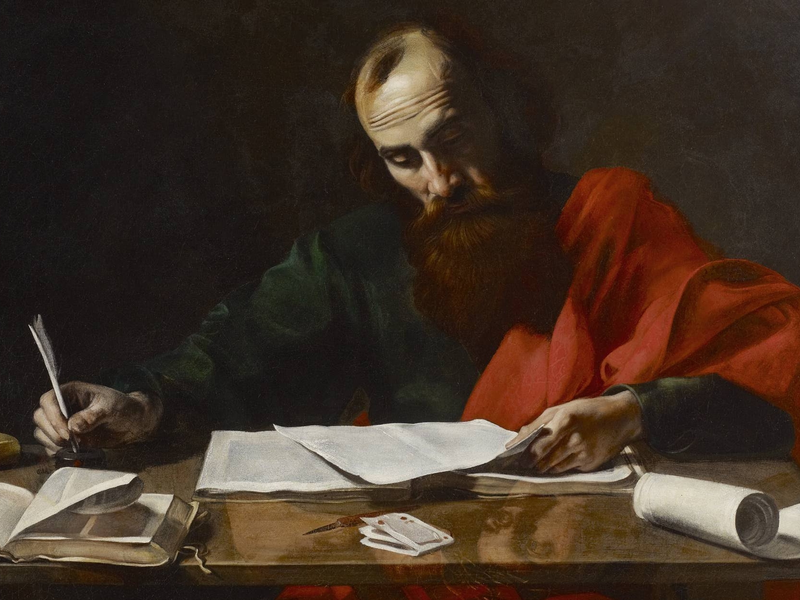
The Letter: A Fictional Account of the Writing of Galatians

I had often heard that wisdom is visible in the countenance and I thought that I had seen examples of it in the past. But the man who stood before me, loosely holding the reins of the mare and peering around him with sharp interest, gave no outward hint of…

by Christian LeithartMay 22, 2025
screenshot-2025-05-15-at-11-51-14-am
Revelation

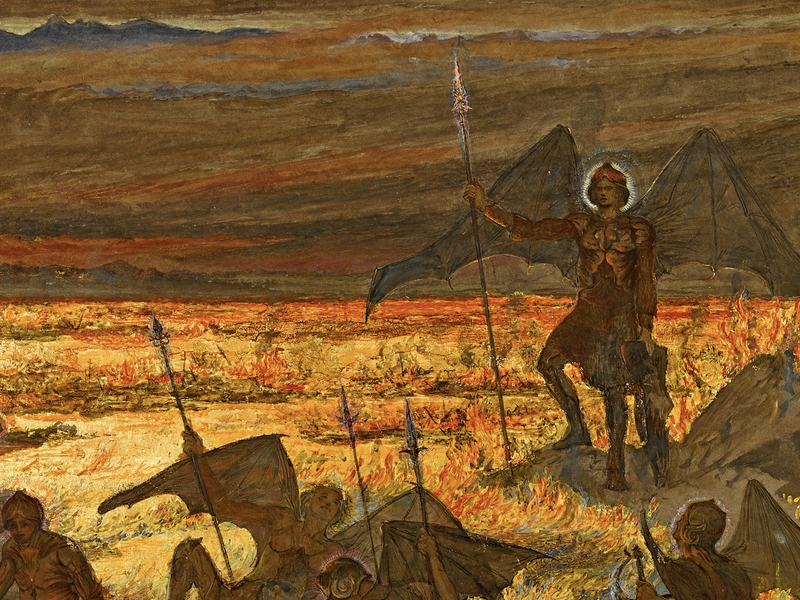
Satan’s Final Throne Room Accusation

And no wonder, for even Satan disguises himself as an angel of light — 1 Corinthians 11:14 In Revelation 5:2, the first of three “Mighty Angels” appears before the throne of God and preaches in a great voice, asking, “Who is worthy to open the book, and to loose the…

by Ryan SpencerMay 20, 2025

Showing page 9 of 309

See all

Showing page 8 of 43

See all
Philosophy

Heidegger in his woods

Latour is tired of being accused of having forgotten Being, and offers this clever brush-off of Heidegger: “If, scorning empiricism, you opt out of the exact sciences, then the human sciences,, then traditional philosophy, then the sciences of language, and you hunker down in your forest - then you will…

November 15, 2006
History

Semi-modernism

Postmoderns, Latour suggests, think they are still modern, but in fact they have greatly oversimplified the modern Constitution. Postmoderns might emphasize the separation of subject and world, and stretch that opposition to a breaking point (Latour vividly describes them as doing the splits to keep subject and world apart); but…

November 15, 2006
History

Modern temporality

In his very good section on modern temporality, Latour argues that modernity assumes that everything in the present, modern moment, is purely modern, novel. Anything that appears that is not up-to-date is a “archaism,” and moderns worry constantly that this or that event or trend might “turn back the clock.”…

November 15, 2006
History

Representation

One of the key moves made since the 17th century, Latour argues, is a distinction between modes of “representation.” In the laboratory Boyle is representing things before selected witnesses through scientific experiments, giving mute nature a voice through the scientist, while in politics Hobbes suggests that the Sovereign speaks for…

November 15, 2006
History

We Have Never Been Modern

Bruno Latour’s We Have Never Been Modern (Harvard 1993) is a rich study. He describes modernity in terms of a dual process of “purification” and “hybridization.” Purification involves the clean construction of a nature (and science) separated off from society and the self, while hybridization involves mixtures of nature and…

November 15, 2006

Tears of things

And/Or: Virgil is aware that the furor of civil war can be curbed only by an opposing, and more intense, furor. That, as Milbank says, is the way of paganism - peace established only by superior violence against violence. But in those tears Virgil expresses the the painful recognition -…

November 13, 2006

Showing page 1763 of 2212

Browse by Category

In Medias Res

Your weekly digest for all things Theopolis.

Donate

Theopolis is nearly 100% donor-supported. Consider joining us on our mission.