Theopolis Logo

Writing

Explore our collection of theological essays, biblical studies, and reflections on faith and culture.

See all
screenshot-2024-06-06-at-8-49-49-am
Biblical Theology

Incarnation, Church, & the New Heart

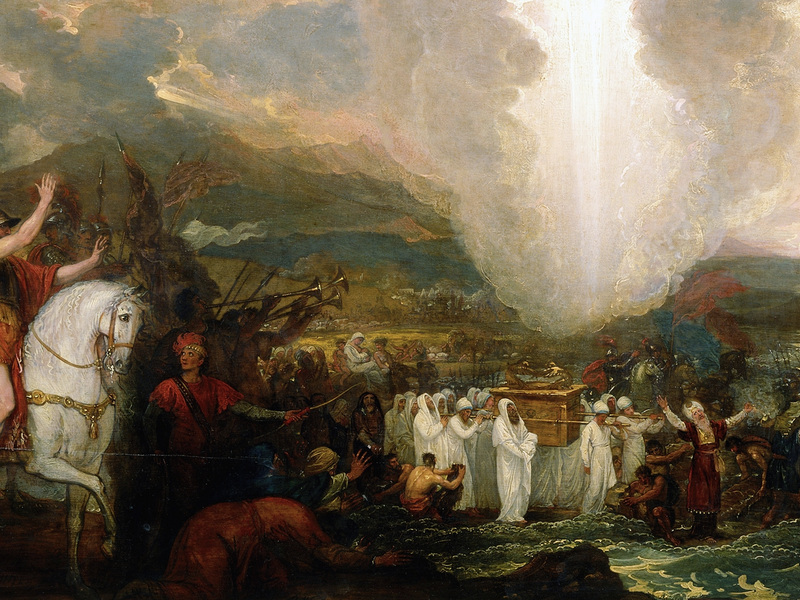
“And it shall be in those days when you are multiplied and increased in the land,” declares the Lord, “they shall say no more, ‘The Ark of the Covenant of the Lord.’ And it shall not come to mind, nor shall they remember it, nor shall they miss it, nor…

by Mark HorneJune 6, 2004

e99a4713
Grace

Grace & Justice in Unexpected Places

Elsewhere, I have argued that there is grace in the so-called covenant of works (see, e.g., my colloquium essay, “A Response to ‘The Biblical Plan of Salvation,’” in The Auburn Avenue Theology: Pros and Cons , edited by Calvin Beisner (pages 118-148). It may be equally surprising to find justice…

by Rich LuskJune 6, 2004
amjd-rdwan-erymmvvsy1y-unsplash-1
Theologia

Trust & Obey

Years ago, as a layman, I had the privilege of attending a Bible study led by a gifted teacher. His story was interesting: back when he was a student he had been severely sanctioned for affirming that one must repent in order to be saved, that one must trust Jesus…

by Mark HorneJune 5, 2004
daniel-born-yw_qx-i8ln4-unsplash
Theologia

The World is Built on Faith

Believing that God really exists Defining “faith” is sometimes made too complicated. The theologian, Louis Berkhof, for example, distinguishes “faith in general” from “faith in the religious sense and particularly saving faith.” Berkhof’s core definition of saving faith is not so bad. He says that it is “a certain conviction,…

by Mark HorneJune 5, 2004
ben-white-qdy9ahp0mto-unsplash
Apostasy

The Children of Christians Are Christians

It is generally acknowledged that when Paul wrote letters to churches, he expected his letters to be read in the worship service to the congregation. It is interesting, then, that when Paul wrote letters to a congregation he could feel free to address children and tell them to obey their…

by Mark HorneJune 5, 2004
24542-cropped-john-calvin
Ecclesiology

Calvin on the Pastor and Community

Book 4 of Calvin’s Institutes of the Christian Religion is a classic work of ecclesiology. This book is the longest section of the Institutes , showing Calvin’s deep interest in and love for the church. Among its many salutary features is a full scale exposition of those ecclesiastical leaders Calvin…

by Rich LuskJune 5, 2004

Showing page 224 of 309

See all

Showing page 8 of 43

See all
Literature

The Politics of Playing

Plays might be promoted as a kind of opiate of the masses: Mass entertainment that keeps them from more violent entertainments like rioting and pillaging. This could be problematic, if the entertainments were too heady for most people to follow. Thomas Heywood (1612) suggested that playwrights should “ayme . .…

September 28, 2006
Literature

Shakespeare regulated

How regulated was Shakespeare’s own theater? And for what reasons? Patterson highlights various reasons for closing or permitting theaters: audience composition, including the fear that a large collection of workers might be distruptive; public health; economic concerns; religious and moral concerns, especially Sabbatarian; and “a shifting and elusive imperative to…

September 28, 2006
Literature

American Shakespeare

Shakespeare’s fortunes in the US were, understandably, different from in England. Initially, Shakespeare was America’s most popular playwright, appealing to a wide sector of the American populace. Patterson notes that “by the end of the nineteenth century ‘Shakespeare’ had become a cultural icon, the property only of the ‘legitimate theater,’…

September 28, 2006
Literature

Popular Shakespeare

Annabel Patterson notes ( Shakespeare and the Popular Voice ) that contemporary critics, whatever their own political outlook, assume that Shakespeare was an advocate of Elizabethan hierarchy. This view, however, is a product of the 19th century. Dryden, Johnson, and others criticize Shakespeare for violating the conventions of his genre,…

September 28, 2006
Literature

Courtly Shakespeare, IV

By the 18th century, acting styles also invested Shakespeare with “courtly” virtues of control, dignity, stateliness. Dobson writes, “Shakespearian acting . . . in the decades following Betterton’s death in 1710, seems to have settled into a grandiloquent vein of static declamation, best exemplified by the stout James Quin (1693-1766)…

September 28, 2006
Literature

Courtly Shakespeare, III

Dobson again: “after Charles II’s death in 1685 England would never again have another monarch with such an informed interest in the drama (or, mercifully, such a lascivious one), and deprived of royal patronage and protection the playhouses came under renewed attack from the moralists (led by the redoubtable clergyman…

September 28, 2006

Showing page 1785 of 2212

Browse by Category

In Medias Res

Your weekly digest for all things Theopolis.

Donate

Theopolis is nearly 100% donor-supported. Consider joining us on our mission.