Theopolis Logo

Writing

Explore our collection of theological essays, biblical studies, and reflections on faith and culture.

See all
cloister

Gatekeepers

1 Chronicles 9:1 seems to bring the genealogies of 1 Chronicles to an end. The Chronicler has recorded the genealogy of the human race from Adam, focusing on the descendants of Abraham through Jacob. Summing it all up, he says, “So all Israel was enrolled by genealogies; and behold, they…

by Peter LeithartJune 21, 2016
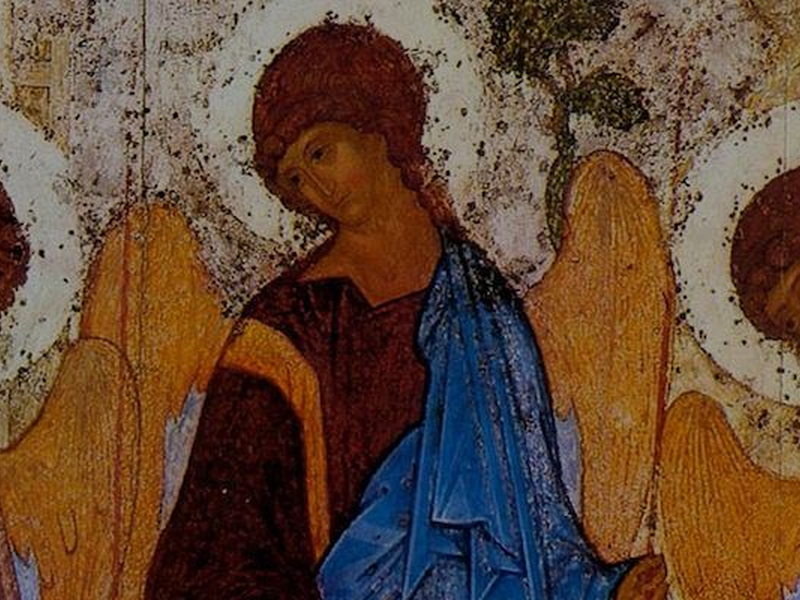
trinity-1-2
Trinity

Are the Divine Persons Persons?

The “personalist” understanding of the Trinity, articulated most influentially in the work of John Zizioulas, has fallen on hard times. Recent scholars have attacked Zizioulas’s idea that Cappadocian Trinitarianism represented an ontological revolution, hammering on the distinction between divine and human personhood. Michel Barnes’s conclusion is the most drastic of…

by Peter LeithartJune 16, 2016
img_4660-2
Architecture

On Biblical Theology

Biblical Theology is often defined as the historical unfolding of God’s revelation, or of God’s revelation and of the history of his covenantal redemption and transformation of humanity and the world. In practice, Biblical Theology is usually broader than this, and also includes the study of literary structure and of…

by James B. JordanJune 14, 2016
laughing_statue_by_xxbobbiie-d5f0meh-2
Humor

Wise Laughter

We are made to be happy. Created to enter into the eternal joy of God, our whole being inclines to that end, but the fallen world has put forth barriers and by our own sin we bar ourselves from that endless delight, and death blinds us to that reality. Yet…

by Remy WilkinsJune 7, 2016
img_7664
Liturgy

Why Theopolis? Take Two

At the end of Revelation, John sees the heavenly city descending to earth. The city shines with the brilliance of God's glory, which lightens the nations, so that kings bring their glory to the city. This is not a vision of the final new heaven and new earth. It's a…

by Peter LeithartJune 2, 2016
trinity-1-2
Attributes of God

How Can We Talk About God?

“No one has ever seen God,” writes John (John 1:18). If this is the case, then how can we speak about God? Some people say we actually cannot. Or at least we cannot speak about God positively, i.e. who He is. We can only say who or what God is…

by Bogumil JarmulakMay 31, 2016

Showing page 130 of 309

See all

Showing page 8 of 43

See all

Baptismal meditation

Jesus said, Go therefore and disciple all nations, baptizing them in the Name of the Father, and of the Son, and of the Holy Spirit, and teaching them to observe all that I’ve commanded. One of the great sins of Manasseh was an assault on the “Name” of Yahweh. Back…

May 21, 2006

Exhortation, Sixth Sunday of Easter

Easter is about faith and hope. Easter is also about love. The Old Covenant was a covenant of separations. Yahweh separated Himself from His people, enclosed behind a series of veils in inapproachable splendor. Yahweh called Abraham and separated him from the other nations of the earth, and gave Israel…

May 21, 2006

Innocent blood

Manasseh filled Jerusalem with the blood of the innocent; in context, the blood appears to be the blood of prophets (2 Ki 21:10-16). This is one of the continuing charges against Manasseh after Josiah’s reign is over (24:3-4). The blood of the prophets (or, at least, of the innocent) calls…

May 18, 2006

Forgetful

“Manasseh” is derived from a causative form of the verb “forget” - hence, cause to forget. Manasseh causes Judah to forget by liturgical change - rebuilding high places, erecting altars and Asherahs, and so on. Memory is nourished by liturgy; forgetfulness by liturgical perversion.

May 18, 2006

Charnock on Supernatural Salvation

Stephen Charnock argues that salvation must be supernatural because nature is insufficient for the task: “A change from acts of sin to moral duties may be done by a natural strength and the power of natural conscience: for the very same motives which led to sin, as education, interest, profit,…

May 18, 2006

Supernatural

Roger Haight offers this summary of the notion of “supernatural”: “God is not supernatural in himself; he is simply the infinite and transcendent being; he is God. But viewed in relation to the human he is supernatural; that is to say, spiritual union with God transcends human nature and all…

May 18, 2006

Showing page 1840 of 2212

Browse by Category

In Medias Res

Your weekly digest for all things Theopolis.

Donate

Theopolis is nearly 100% donor-supported. Consider joining us on our mission.